
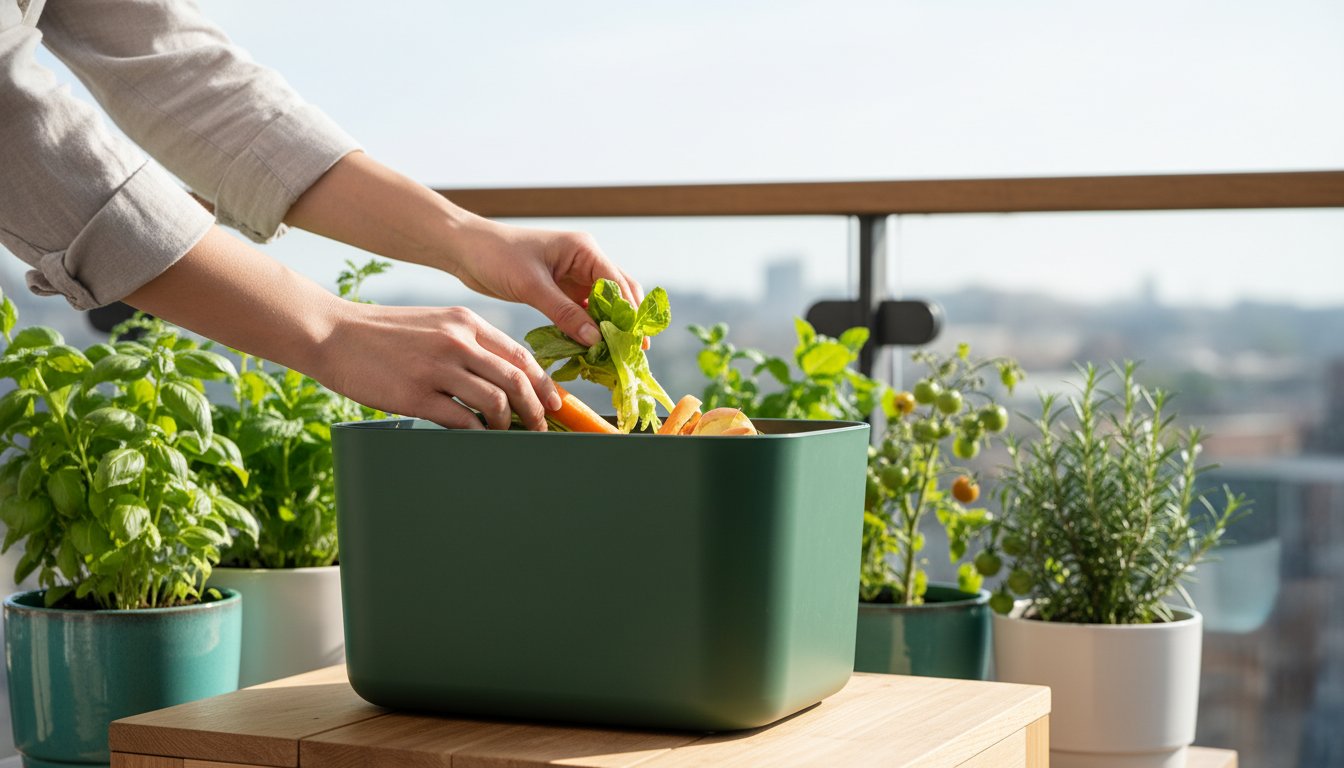
Did you know that households are responsible for 61% of the 931 million tonnes of food wasted globally every year? For the modern UK resident, the desire to act is often hindered by the practicalities of urban living, such as limited garden space or the fear of attracting pests. Setting up a home composting system shouldn't feel like a compromise on your household's hygiene or a source of confusion regarding which materials are truly biodegradable. You likely recognise that reducing your reliance on council waste collections is a vital step toward environmental stewardship; however, you need a solution that is both professional and manageable.
This guide promises to help you master the art of nutrient recovery through a professional-grade setup designed for the 2026 circular economy. We'll demonstrate how to achieve a functional, smell-free system that produces high-quality soil improver for your own use. By integrating modern innovations like certified compostable caddy bags and understanding the latest standards for home-compostable materials, you can transition away from plastic waste with confidence. We'll cover everything from selecting the right bin for your space to maintaining the perfect biological balance for a cleaner, greener future.
Key Takeaways
- Understand the environmental significance of aerobic decomposition and how diverting food waste actively reduces methane emissions from UK landfills.
- Master the technical aspects of setting up a home composting system by selecting the optimal site and bin type for your specific volume requirements.
- Learn to identify certified home-compostable items, such as compostable clingfilm, to ensure your waste recovery loop remains free from contamination.
- Recognise the importance of the TUV Austria "OK compost HOME" certification as the gold standard for ensuring products biodegrade safely in domestic environments.
- Gain practical insights into maintaining a balanced, smell-free system that produces high-quality soil improver for personal or commercial landscaping use.
The Foundations of a Productive Home Composting System
Home composting is far more than a passive heap in the corner of a garden; it's a managed aerobic process that transforms organic matter into nutrient-rich humus. This biological transformation is a cornerstone of modern environmental stewardship. By diverting food waste from UK landfills, you're directly reducing methane emissions, a greenhouse gas significantly more potent than carbon dioxide. For organisations and households alike, setting up a home composting system represents a tangible commitment to the national circular economy, ensuring that valuable resources remain within a closed loop rather than becoming a liability.
To better understand this concept, watch this helpful video:
Mastering the science of composting requires a focus on the "Four Pillars" of success. These include:
- Nitrogen: The protein source for microbes.
- Carbon: The energy source for the decomposition process.
- Oxygen: Essential for aerobic bacteria to thrive.
- Moisture: Necessary to maintain biological activity without drowning the pile.
When these elements are balanced, microbial activity thrives, accelerating the decomposition process and preventing the unpleasant odours often associated with poorly managed waste. This systematic approach ensures your setup remains hygienic and professional.
Understanding the Carbon-to-Nitrogen Ratio
Achieving the perfect balance involves managing "Greens" and "Browns." Greens are nitrogen-rich materials like vegetable scraps and grass clippings, which provide the fuel for microbial growth. Browns are carbon-rich inputs such as cardboard, straw, and woody waste. For rapid, professional-grade results, aim for a 30:1 carbon-to-nitrogen ratio. This specific balance ensures that the pile generates enough heat to break down materials efficiently without becoming anaerobic or sluggish.
The Role of Modern Compostable Materials
The current waste landscape includes an increasing volume of bioplastics, which offer a practical alternative to traditional single-use plastics. High-quality compostable caddy bags and food roller bags can be integrated into your heap, provided they meet strict home-composting standards. When setting up a home composting system, the inclusion of certified bioplastics helps manage kitchen waste hygienically. It's vital to be diligent here; you must always spend time verifying if compostable bags contain plastic before adding them to your system. Genuine compostable solutions support a cleaner output, whereas hidden plastics can contaminate your final humus and compromise your sustainability goals.
Step-by-Step Configuration: From Bin Selection to Maintenance
The physical configuration of your setup determines the efficiency of your nutrient recovery efforts. When setting up a home composting system, your first priority is site selection. Choose a well-drained, accessible area placed directly on bare soil. This contact with the earth is vital because it allows essential microbes and earthworms to migrate into the heap, initiating the decomposition process. If you're managing a large garden, traditional wooden bays provide the volume needed for high-capacity processing. Conversely, urban households benefit from enclosed tumblers, which conserve space and maintain the high internal temperatures required for rapid breakdown.
Once your bin is in place, implement the layering method to create a stable biological environment. Begin with a coarse base of twigs or small branches to ensure adequate aeration at the bottom of the pile. Follow this with alternating layers of "greens" and "browns." Consistency is key; you should establish a turning schedule to introduce fresh oxygen into the centre of the heap. Turning the pile every two to three weeks accelerates the aerobic process, ensuring your organic waste transforms into usable soil improver within months rather than years. Understanding the specifics of what you can compost will prevent the introduction of materials that might stall this progress.
Managing Odours and Hygiene
Unpleasant smells are often the result of anaerobic conditions caused by excess moisture. You can learn how to keep a food waste bin from smelling by ensuring a proper balance of carbon-rich materials to absorb liquid. For kitchen collection, the use of high-quality compostable caddy liners is a professional necessity. These liners prevent the buildup of "sludge" in your indoor bin, maintaining a hygienic environment while making the transition to the outdoor heap seamless and mess-free. Using certified compostable solutions ensures that your hygiene practices align with your environmental goals.
Troubleshooting Common System Failures
Even a well-managed system can encounter issues. If your heap becomes too wet or develops a pungent odour, mix in additional "browns" like shredded cardboard to restore balance. If the process seems to have stopped, the pile may be too dry; simply add water until it feels like a wrung-out sponge. To deter pests, ensure your bin has a secure lid and line the base with heavy-duty wire mesh. This prevents rodents from burrowing into the warm, nutrient-rich environment while still allowing beneficial microbes to pass through.
Optimising the Circular Loop: Integrating Compostable Packaging
Achieving a true circular economy requires looking beyond organic food scraps to include modern, certified packaging materials. When setting up a home composting system, you can now process high-performance alternatives like compostable clingfilm alongside your vegetable peelings. The TUV Austria "OK compost HOME" certification remains the gold standard in 2026. It guarantees that a product will fully biodegrade in a domestic heap, where temperatures are typically lower and less consistent than in commercial facilities. To assist the local microbes, you should shred or cut up larger items, such as compostable shopping bags. Increasing the surface area allows bacteria to colonise the material more quickly, which accelerates the return of nutrients to the soil. For those seeking a broader perspective on the environmental benefits of these practices, the EPA guide to composting at home offers excellent foundational insights. Sinhalite Holdings serves as your professional partner in this transition, providing the circular-ready materials needed to eliminate plastic waste from your household stream.
The Difference Between Home and Industrial Composting
It's vital to recognise that not all bioplastics are equal. Materials such as PLA (polylactic acid) often require industrial conditions, typically reaching 55 to 60 degrees Celsius, to break down effectively. These "industrial only" items should never enter a domestic heap as they'll remain intact for years, potentially contaminating your final product. By setting up a home composting system focused on home-certified materials, you ensure that every item added contributes positively to the biological process without the need for high-heat commercial intervention.
Final Harvest: Using Your Finished Compost
The process concludes when your waste has transformed into a dark, crumbly, and earthy-smelling substance. This mature humus is a premium soil improver that indicates a successful nutrient recovery cycle. You can apply this final product as a nutrient-rich mulch for commercial landscaping or as a top-dressing for personal garden beds. This application improves soil structure and moisture retention, completing the circular journey from kitchen waste to a valuable resource that supports new growth.
Driving the Transition to a Plastic-Free Future
Embracing a circular approach to waste management is a profound step toward environmental stewardship. By setting up a home composting system, you transform daily organic waste into a valuable resource, directly reducing your reliance on carbon-intensive disposal methods. Success lies in maintaining the delicate balance of the four pillars; nitrogen, carbon, oxygen, and moisture; while ensuring that only certified materials enter your heap. As UK waste standards evolve, the integration of high-performance bioplastics ensures your household or business remains at the forefront of sustainable innovation.
As specialists in plastic-free circular economy packaging, Sinhalite Holdings provides the tools needed for this transition. Our TUV Austria OK compost HOME certified products, including caddy bags and household clingfilm, are designed to meet rigorous UK standards without sacrificing durability or strength. We invite you to explore Sinhalite Holdings’ range of certified home-compostable solutions and take immediate action toward a cleaner, greener outlook. Together, we can build a future where waste is no longer an endpoint but a beginning.
Frequently Asked Questions
Can I put compostable clingfilm in my home composting bin?
Yes, you can add compostable clingfilm to your heap provided it carries a specific home-composting certification like TUV Austria. Traditional plastic clingfilm represents a significant source of household waste, whereas home-certified alternatives are engineered to break down at the lower temperatures found in domestic bins. This ensures your nutrient recovery cycle remains professional, hygienic, and free from synthetic microplastics.
How long does it take for a home composting system to produce usable soil?
A well-managed system typically produces mature, usable soil within six to twelve months. This timeframe varies based on how often you turn the pile and the specific balance of green and brown inputs. In the UK, biological activity often slows during colder months, so maintaining a consistent volume helps retain the internal heat necessary for efficient microbial decomposition.
What items should I never put in my home compost heap?
You should avoid adding meat, dairy, fats, or pet waste, as these materials attract vermin and cause unpleasant odours. When setting up a home composting system, it's also essential to exclude "industrial only" bioplastics. These materials require the high-heat conditions of a commercial facility and won't degrade in your garden, leading to the unwanted contamination of your final humus.
Do I need a special bin to compost certified compostable bags?
You don't require a specialised bin for certified bags, though an enclosed unit can improve efficiency by retaining heat. The most important factor is ensuring the bags are "OK compost HOME" certified rather than designed for industrial use. These high-performance materials are engineered to biodegrade alongside your food scraps in any standard setup, making setting up a home composting system a practical solution for modern plastic reduction.


