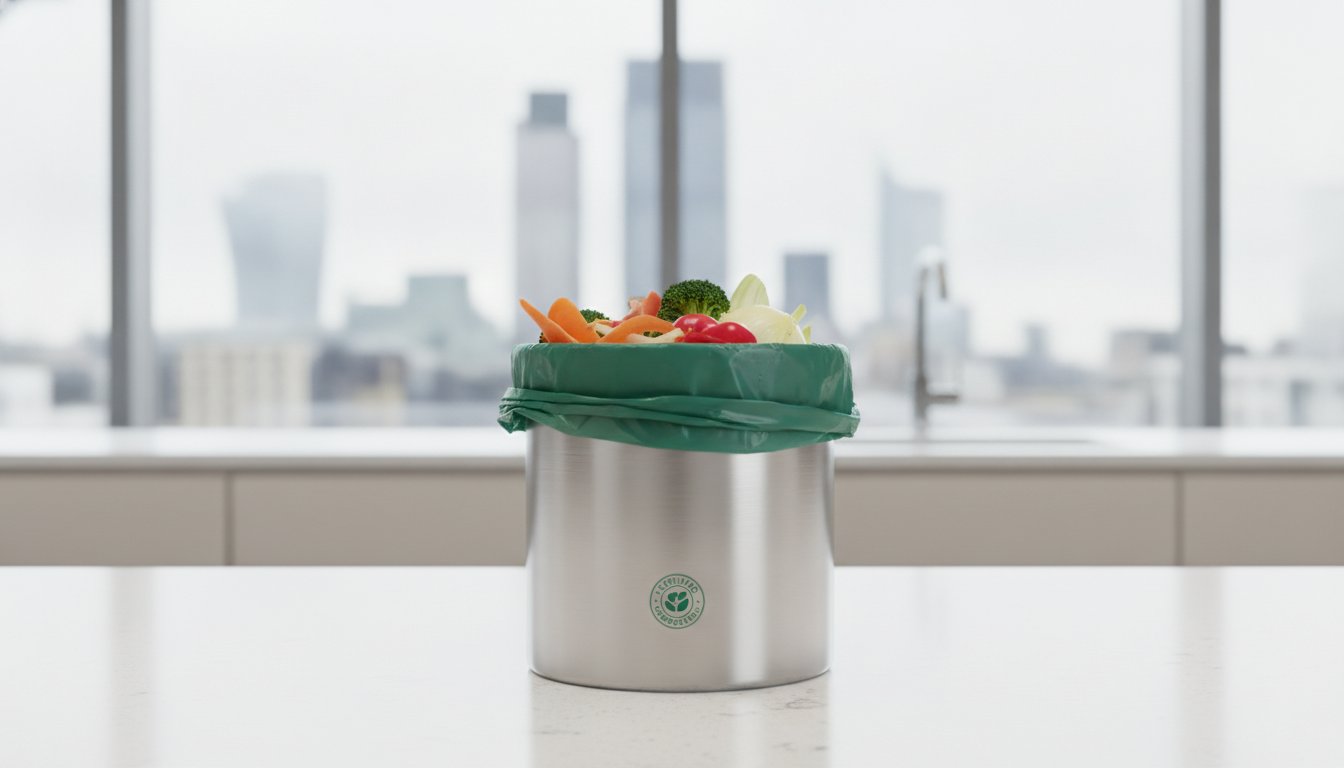
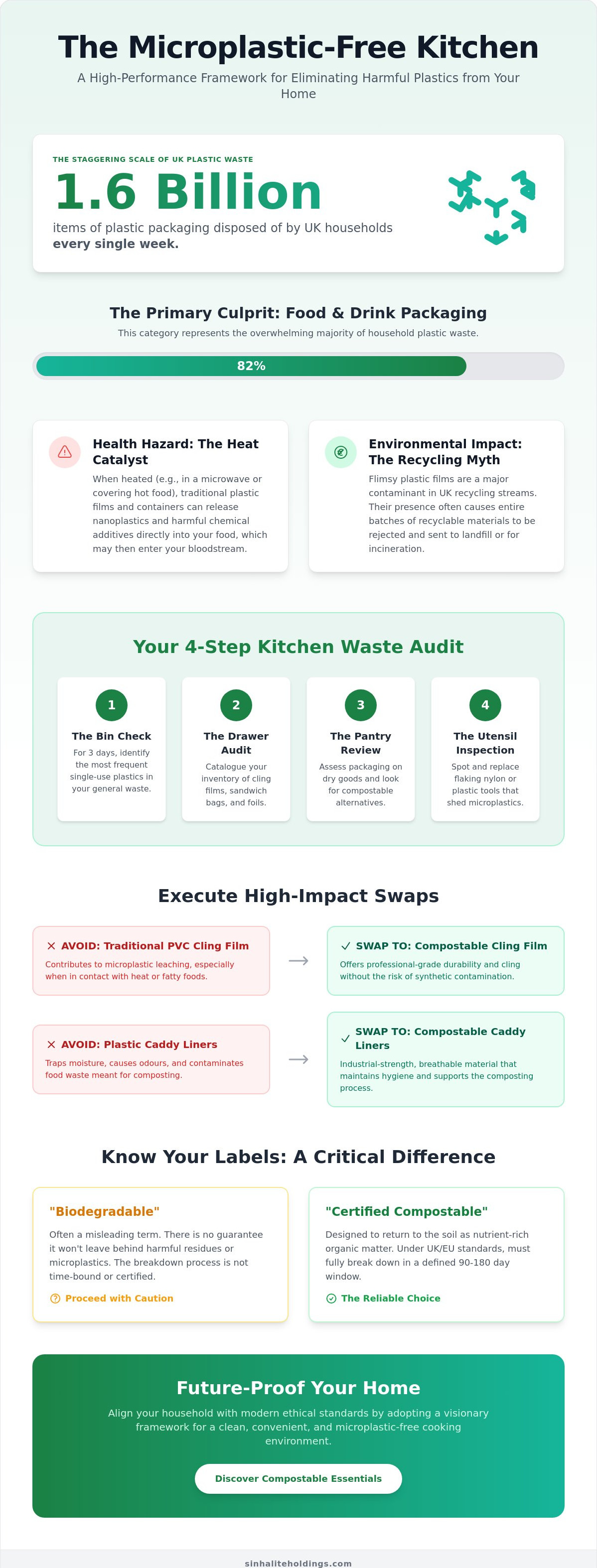
UK households dispose of an estimated 1.6 billion items of plastic packaging every single week. This staggering figure highlights why learning how to reduce plastic use in the kitchen has become a vital priority for those committed to environmental stewardship. You've likely felt the frustration of navigating supermarket aisles filled with unnecessary wrapping or struggled with eco-friendly alternatives that fail to maintain hygiene. It's difficult to feel empowered when your food storage doesn't actually keep ingredients fresh or your waste management feels disorganized.
We believe that high standards of utility and durability are essential for systemic change. This guide offers a logical, high-performance framework for eliminating plastics while ensuring your cooking environment remains clean and convenient. You'll discover how to integrate certified compostable essentials into your daily routine, replacing traditional cling film and waste bags with solutions that perform under pressure. We'll move from the philosophy of waste reduction to practical, industrial-strength swaps that bridge the gap between modern innovation and natural processes.
Key Takeaways
- Identify the primary entry points for household microplastics by understanding how heat impacts traditional food storage materials and films.
- Execute a systematic two-step kitchen audit to catalogue single-use plastics and prioritize the most impactful swaps for your daily routine.
- Learn how to reduce plastic use in the kitchen by replacing traditional PVC films with compostable alternatives that provide professional-grade durability and cling.
- Maintain superior hygiene in your organic waste management through the use of breathable, industrial-strength compostable caddy liners.
- Align your household operations with modern ethical standards by adopting a visionary framework for a microplastic-free cooking environment.
Understanding the Plastic Footprint of a Modern UK Kitchen
The kitchen is the primary entry point for synthetic materials into the human body. While we often view the devastating impact of plastic pollution as an external environmental crisis, it's also a domestic health consideration. Every day, microplastics flake off from containers and films, entering the food chain during routine meal preparation. Mastering how to reduce plastic use in the kitchen requires a shift in perspective, moving from convenience-led habits to a performance-oriented, responsible framework.
Current data from 2026 shows that food and drink packaging represents 82% of UK household plastic waste. This is a massive volume of material, much of which is designed for a single use but persists for centuries. By identifying these high-impact items, we can begin to implement systemic changes that protect both our health and the wider ecosystem. Transitioning away from these materials is a logical step for any household seeking to align its daily operations with modern ethical standards.
To visualize the practical steps you can take today, watch this helpful guide on refining your kitchen habits:
The Health Case for Reducing Kitchen Plastic
Heat acts as a primary catalyst for plastic leaching. When synthetic films or containers are exposed to high temperatures, such as during microwaving or when covering hot liquids, they release nanoplastics and chemical additives directly into your food. These microscopic particles are small enough to bypass biological barriers, entering the bloodstream and tissues. Transitioning to inert alternatives like glass or high-performance compostable films ensures that your food remains pure and free from synthetic contamination. Learning how to reduce plastic use in the kitchen through these swaps is a fundamental step toward a microplastic-free home environment.
The Environmental Reality of UK Waste Streams
Traditional plastic films are a major contaminant in UK recycling batches, often causing entire loads to be rejected and sent to incineration. This inefficiency highlights the urgent need for better material choices that don't rely on flawed recycling systems. It's essential to understand that "biodegradable" is often a misleading term; it doesn't guarantee that a product won't leave behind harmful residues. In contrast, certified compostable materials are designed to return to the soil as nutrient-rich organic matter. As of February 2026, updated UK and European standards ensure that any packaging labeled as industrially compostable must fully break down within a strictly defined 90 to 180-day window, providing a transparent and reliable path for household waste management.
Conducting a Kitchen Waste Audit: Identifying Your Plastic Hotspots
To achieve a systemic reduction in waste, you must first understand the current flow of materials through your home. A kitchen waste audit provides the empirical data needed to make informed choices. This process isn't about guilt; it's about gaining the clarity required to transition toward more responsible practices. By methodically identifying where synthetic materials enter your routine, you can create a high-performance roadmap for change.
- Step 1: The Bin Check. Observe your general waste for three consecutive days. Identify which single-use items appear most frequently, such as film lids or vegetable bags.
- Step 2: The Drawer Audit. Catalogue your inventory of cling films, sandwich bags, and foil. These are often the primary sources of high-contact microplastics.
- Step 3: The Pantry Review. Assess the packaging levels of your dry goods. Look for opportunities to switch to brands using home-compostable alternatives or minimal wrapping.
- Step 4: The Utensil Inspection. Spot any flaking nylon or plastic tools. These contribute directly to microplastic ingestion during high-heat cooking.
- Step 5: Prioritising Swaps. Focus first on items that involve heat exposure or direct food contact, as these pose the highest health risk.
The "Big Three" of Kitchen Plastic Waste
Food wraps, bin liners, and shopping bags constitute the majority of high-turnover plastic in the home. These items are notoriously difficult to clean and reuse due to hygiene requirements and structural degradation. While durable reusables are excellent for dry storage, high-hygiene tasks often require a disposable solution that doesn't compromise environmental integrity. Choosing between a long-term reusable and a high-performance compostable replacement depends on the specific utility of the item. For example, using certified compostable caddy bags ensures that food waste remains contained without introducing permanent synthetics into the soil.
Supermarket Packaging: The UK Context
UK retailers are increasingly under pressure to reduce secondary packaging, but the burden often falls on the consumer to make the right choice. When shopping, prioritize loose produce and utilize your own reusable nets or compostable food roller bags to avoid the thin plastic sleeves provided in the aisles. Many local councils provide practical tips for reducing single-use plastic, such as seeking out bulk-buy sections for grains and pulses. By making these intentional choices, you effectively communicate a demand for systemic change to the major supermarkets. Implementing these steps is a proven method for how to reduce plastic use in the kitchen while maintaining a high standard of household efficiency.
Sustainable Food Storage: Moving Beyond Traditional Cling Film
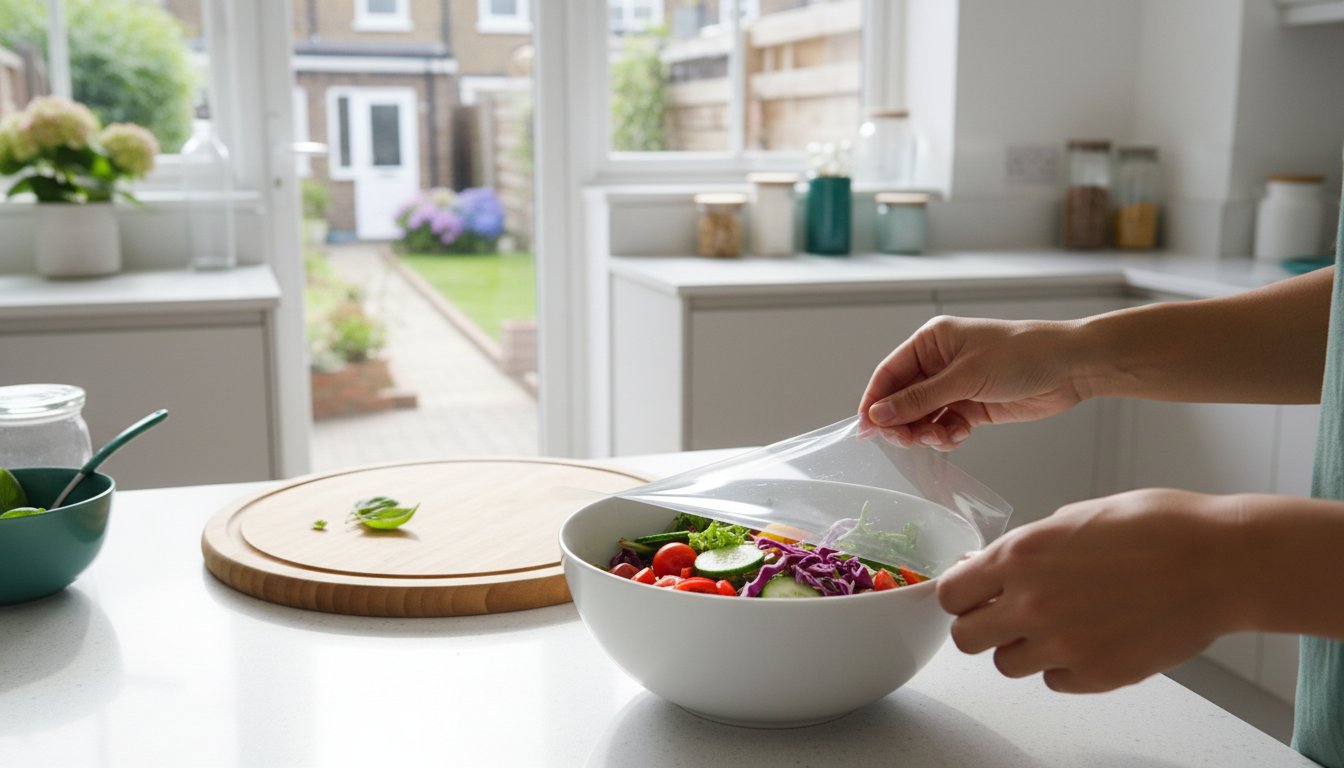
Traditional PVC cling film has long been a staple of the UK pantry, yet its reliance on chemical plasticisers presents a significant barrier to a microplastic-free home. Modern innovation has successfully bridged the performance gap. Certified compostable films now offer the same electrostatic "cling" and airtight seal as their synthetic counterparts, ensuring that food preservation remains uncompromised. This transition represents a practical step for anyone learning to reduce plastic in your kitchen without losing the convenience of flexible wrapping.
Unlike non-porous plastic, compostable films possess a natural breathability. This characteristic allows moisture to escape from fresh produce, preventing the premature spoilage often caused by condensation. Additionally, these materials maintain their integrity in extreme temperatures. They don't become brittle or crack when used for freezer storage; instead, they provide a reliable barrier against freezer burn while remaining entirely plant-based. This durability makes them an industrial-strength solution for the modern household.
Why Compostable Cling Film is a Critical Swap
The primary advantage of certified compostable film lies in its chemical composition. These wraps are manufactured without phthalates or BPA, eliminating the risk of toxic leaching into leftovers. Once its utility is exhausted, the film can be disposed of directly into your food waste caddy. It breaks down alongside organic matter in industrial facilities, removing the need for the tedious washing and drying associated with sticky reusable wraps. This efficiency ensures that your commitment to environmental stewardship doesn't become a burden on your time.
Glass, Stainless Steel, and Natural Fibres
True kitchen efficiency requires a hybrid approach. While flexible wraps are ideal for irregular shapes, permanent containers made of glass or stainless steel are superior for meal prepping and reheating. Glass is completely inert and won't absorb odours or stains over time. For short-term refrigeration of loose produce, compostable food roller bags offer a lightweight, high-performance alternative to traditional plastic bags. By combining durable reusables with high-utility compostables, you create a seamless system for how to reduce plastic use in the kitchen while upholding the highest standards of hygiene and convenience.
Managing Food Waste and Bin Hygiene Without Single-Use Plastic
Many households face a logical paradox when managing organic waste. They carefully separate vegetable peelings and food scraps only to encase them in a traditional polyethylene liner. This action effectively mummifies the organic matter, preventing it from breaking down and contributing to landfill methane. Mastering how to reduce plastic use in the kitchen involves resolving this contradiction by adopting high-performance, plant-based alternatives for waste disposal. It's a necessary evolution for a responsible household.
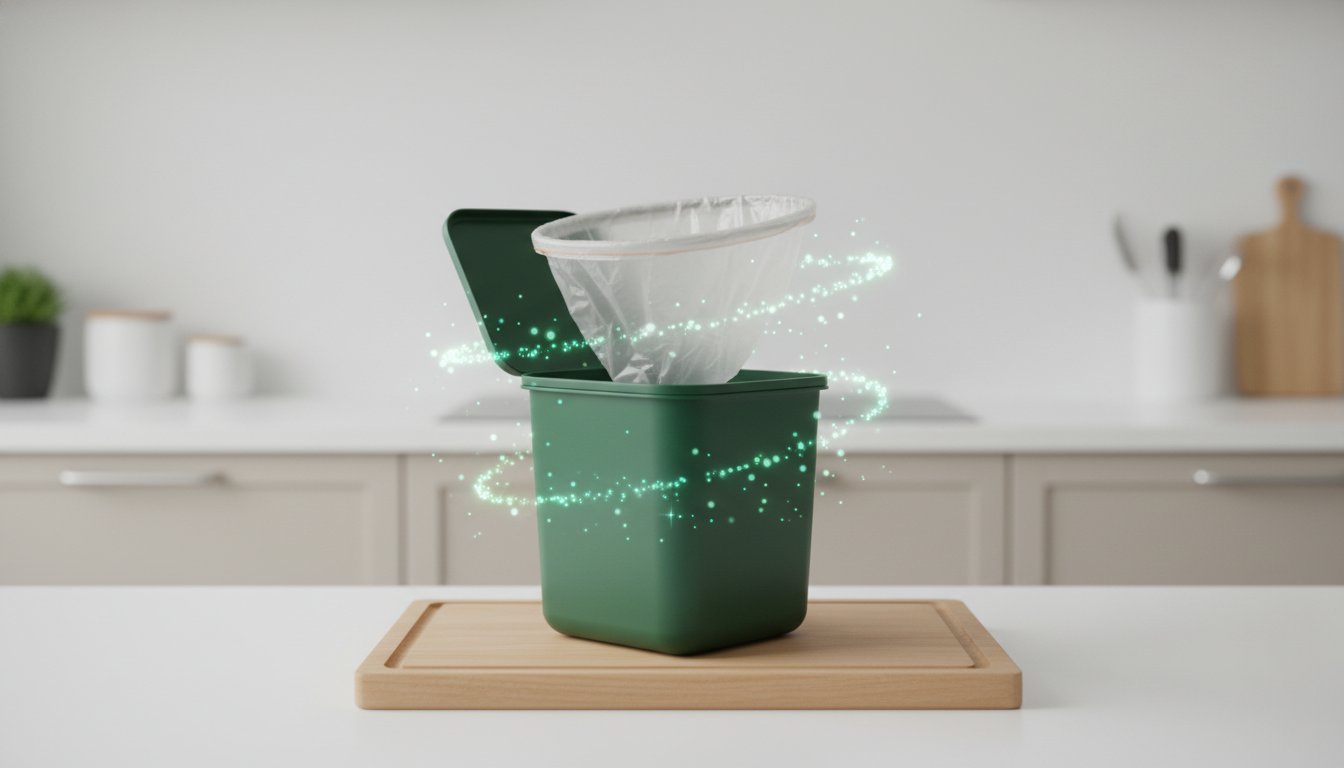
Maintaining a hygienic kitchen doesn't require synthetic materials. Industrial-strength compostable liners provide a reliable barrier against leaks and odors while remaining entirely integrated with natural cycles. These tools allow you to manage the "dirty" side of the kitchen with the same sense of environmental stewardship applied to your pantry. It's a simple change with a profound impact.
The Science of Compostable Caddy Liners
Breathable liners are a key innovation in modern waste management. Traditional plastic traps moisture, which accelerates the anaerobic breakdown that causes foul smells. In contrast, compostable materials allow moisture to evaporate. This process keeps the caddy drier and the kitchen environment fresher. In the UK, it's vital to look for the EN 13432 certification. This standard guarantees that the bag will fully decompose in an industrial facility within 180 days. Most UK councils now accept these certified liners in their kerbside food waste collections, making the transition both practical and compliant with local regulations.
Transitioning Your Main Kitchen Bin
For larger volumes of household refuse, compostable garbage bags offer a robust solution. These bags are engineered for durability and tear resistance, matching the utility of traditional plastic without the long-term ecological cost. Switching to these liners significantly reduces your household carbon footprint, as they are often manufactured from renewable starches rather than fossil fuels. To ensure the best performance, choose a bag size that fits your bin snugly to prevent slipping. Avoid overfilling with sharp-edged packaging to maintain the integrity of the bag. Understanding how to reduce plastic use in the kitchen means choosing tools that prioritize both strength and systemic change.
To upgrade your waste management system, consider our range of certified compostable garbage bags and liners designed for the modern UK home.
Future-Proofing Your Home with Sinhalite Compostable Essentials
Sinhalite Holdings acts as a dedicated advocate for a better future, providing the tangible tools needed to reach it. We specialize in providing high-performance, compostable kitchenware designed specifically for the UK market. Our approach ensures that you don't have to sacrifice utility or hygiene when learning how to reduce plastic use in the kitchen. By choosing materials that align with natural biological cycles, you're investing in a cleaner, microplastic-free cooking environment for your family.
Our compostable household clingfilm represents a significant leap in material science. It provides the same electrostatic grip as traditional PVC while remaining entirely plant-based. This focus on performance ensures that food remains fresh and protected. Similarly, our versatile caddy bags and food roller bags offer industrial-strength reliability for daily kitchen tasks. We're committed to making professional-grade eco-solutions accessible to every household, ensuring that environmental stewardship is both achievable and advantageous.
Why UK Households Trust Sinhalite
Strength and reliability are the cornerstones of our product development. Every item in our range undergoes rigorous testing to ensure it meets the highest standards for durability and compostability. We understand that systemic change requires practical support; therefore, we make it simple to order bulk supplies of compostable garbage bags and shopping bags for your home. This consistency helps UK households contribute actively to a circular economy, where waste becomes a resource rather than a pollutant. Our role is to be a steady, dependable ally in your transition toward more responsible household practices.
Your Next Steps to a Plastic-Free Kitchen
Transitioning your entire home at once can feel overwhelming. We recommend starting with a single, high-impact swap. Replacing your traditional cling film and bin liners first provides an immediate reduction in your synthetic waste output. You can seamlessly integrate our compostable caddy bags into your existing waste routine, ensuring your organic scraps are processed responsibly by your local council. It's a methodical and logical way to master how to reduce plastic use in the kitchen while maintaining a high standard of household efficiency.
Confidence in your choices comes from using products that work as hard as you do. Explore the Sinhalite range of compostable kitchen essentials to begin your journey toward a more responsible, visionary kitchen today.
Empowering a Microplastic-Free UK Kitchen
Transitioning toward a sustainable home is a methodical process of replacing synthetic materials with responsible alternatives. By conducting a waste audit and prioritizing swaps for food-contact items, you've established a clear roadmap for lasting change. We've established that high-performance compostable films and liners provide the durability required for modern kitchen management while remaining entirely integrated with natural biological cycles. This systemic approach ensures that your household operations align with modern ethical standards.
Implementing these practical steps is the most effective way to master how to reduce plastic use in the kitchen without sacrificing convenience or hygiene. As a UK-based specialist since 2018, we provide EN 13432 certified solutions engineered for the rigors of real kitchen use. Our dedication to a plastic-free UK future ensures that every film and liner you choose supports a broader transition to a circular economy. It's time to align your daily habits with your vision for a cleaner environment.
Switch to 100% Compostable Kitchen Essentials with Sinhalite Holdings and take the final step toward a responsible, future-proof home.
Frequently Asked Questions
How do I start reducing plastic in my kitchen on a budget?
Start by replacing high-frequency disposables like cling film and bin liners first. These high-turnover items represent the largest portion of daily kitchen waste and are cost-effective to swap. You can repurpose glass jars and stainless steel containers you already own for dry storage. This strategy allows you to master how to reduce plastic use in the kitchen without a large upfront investment. Focus on performance-oriented swaps that provide immediate environmental impact for a minimal daily cost.
Can compostable cling film actually keep food as fresh as plastic?
Modern compostable films provide an airtight seal and electrostatic cling that matches traditional PVC. They are engineered to preserve moisture levels while allowing fresh produce to breathe. This prevents the premature spoilage often caused by condensation trapped in synthetic plastics. By switching to these high-performance materials, you maintain the highest standards of food hygiene and preservation while eliminating microplastic leaching from your storage routine.
Are compostable bin liners strong enough for heavy kitchen waste?
Industrial-strength compostable garbage bags are specifically engineered for durability and high tear resistance. They utilize advanced plant-based starches that provide the strength needed to manage heavy kitchen waste without leaking. These liners offer a reliable alternative to thick polyethylene, ensuring your waste management remains clean and efficient. Choosing professional-grade compostable bags ensures that your commitment to environmental stewardship never compromises the utility of your household operations.
What is the difference between biodegradable and compostable kitchen products?
The term "biodegradable" is often misleading because it lacks a specific timeframe for decomposition. In contrast, "compostable" products must meet strict UK standards, such as EN 13432, which require materials to break down fully within 90 to 180 days in industrial facilities. These certified products return to the soil as nutrient-rich organic matter without leaving behind synthetic microplastics or toxic residues. This distinction is vital for ensuring your kitchen waste truly integrates with natural cycles.
Do I need a special bin to use compostable bags in the UK?
You don't need a specialized bin, but you must verify your local council's collection policies. Most UK authorities now accept EN 13432 certified compostable liners in their standard food waste caddies. These bags are designed to be compatible with existing waste management infrastructure. Using these liners ensures your organic waste is processed efficiently at industrial composting sites, supporting the UK’s transition toward a more responsible circular economy.
Can you freeze food in compostable bags safely?
You can safely freeze food in certified compostable bags and films. These materials are designed to maintain their structural integrity at low temperatures, preventing the brittleness and cracking common in some lower-quality alternatives. They provide a high-performance barrier against freezer burn, ensuring your ingredients remain fresh. This versatility makes them a dependable tool for long-term meal prepping and food preservation in a microplastic-free home.
How long does it take for compostable kitchen wraps to break down?
Certified compostable kitchen wraps typically break down within 90 to 180 days in industrial composting facilities. This timeframe is the established standard for UK-certified materials that meet the EN 13432 requirements. While home composting times can vary based on temperature and moisture levels, these products are engineered to return to the earth efficiently. This predictable decomposition cycle ensures that your household waste does not contribute to long-term environmental pollution.
Is it better to use beeswax wraps or compostable cling film?
Compostable cling film is often the superior choice for high-hygiene tasks and vegan households. Unlike beeswax wraps, which require careful washing and can lose their seal over time, compostable film provides a consistent, airtight barrier for every use. It is also more versatile for covering hot foods or managing raw ingredients where cross-contamination is a concern. This disposable yet eco-friendly solution offers a logical path for how to reduce plastic use in the kitchen while maintaining professional standards.