The era of convenient but destructive single-use plastics is drawing to a close as global regulations and consumer values align toward a more sustainable future. Finding effective zero waste food storage solutions has become a priority for households aiming to reduce their environmental footprint without sacrificing the freshness of their groceries. You likely feel the frustration of watching fresh produce wilt in non-plastic alternatives or the confusion of deciphering labels while facing the high upfront costs of new systems. We believe that a transition to responsible practices is both achievable and advantageous when you have the right tools.
This guide will show you how to eliminate single-use plastics by comparing the most durable reusables with certified compostable options that actually keep your food fresh. By 2026, the global zero waste grocery market is expected to exceed 270 billion dollars, reflecting a systemic shift toward pantry-led formats and circular economies. You'll discover a hybrid strategy that balances long-term durability with the hygienic flexibility of modern, plant-based materials. We will examine everything from glass containers to certified compostable clingfilm to ensure your kitchen remains a sanctuary of health and integrity.
Key Takeaways
- Master the 2026 "Hierarchy of Storage" to build a kitchen system that prioritizes long-term durability alongside hygienic, plant-based alternatives.
- Compare the functional lifecycles of glass, stainless steel, and silicone to determine which materials best serve your specific preservation needs.
- Implement specialized zero waste food storage solutions tailored to the unique temperature and humidity requirements of your fridge, freezer, and pantry.
- Learn the science of gas exchange to manage ethylene levels effectively, ensuring your fresh produce lasts longer while eliminating the need for traditional plastic wrap.
- Explore how high-performance compostable essentials, such as certified clingfilm and roller bags, bridge the gap between convenience and ecological responsibility.
The Zero Waste Food Storage Hierarchy: A Framework for 2026
Achieving a truly circular kitchen requires more than just replacing one container with another. It demands a systemic approach that prioritizes the preservation of resources while minimizing environmental leakage. The Zero Waste philosophy provides the foundation for this transition, moving beyond simple recycling toward a whole systems strategy. In 2026, the standard for excellence in household management has evolved significantly. We no longer rely on "wish-cycling," where we hope a plastic bag might be recyclable; instead, it's essential to implement zero waste food storage solutions that ensure materials either remain in use or return safely to the earth through biological processes.
This framework is built upon a clear hierarchy: Reduce the need for excess packaging, Reuse durable vessels for longevity, and Compost flexible materials that cannot be easily cleaned. To better understand how these swaps work in practice, watch this helpful video:
Why Traditional Plastic Storage is Failing Our Environment
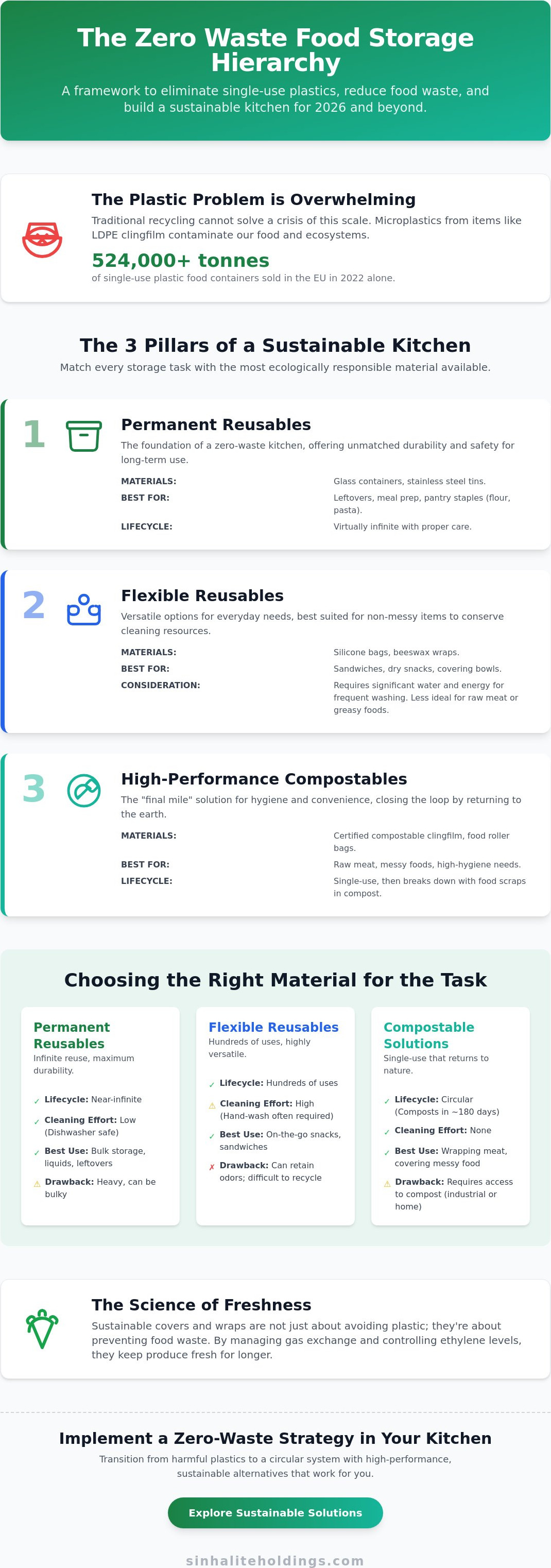
Traditional kitchen plastics, such as LDPE clingfilm and single-use bags, present documented risks to both human health and ecological stability. Microplastics frequently leach into food items during storage, especially when exposed to the temperature fluctuations common in modern kitchens. In 2022, over 524,000 tonnes of single-use plastic food containers were sold across the EU, contributing to a waste crisis that traditional recycling systems cannot solve. These convenience plastics are often non-recyclable due to organic contamination, leading to a linear "take-make-waste" model that 2026 regulations, such as the EU's measurable reduction targets for single-use containers, are actively dismantling.
The Three Pillars of a Sustainable Kitchen
A resilient kitchen strategy utilizes a "Hierarchy of Materials" to maximize utility while minimizing waste. This approach ensures that every storage task is matched with the most ecologically responsible material available. By 2026, the transition to zero waste food storage solutions has become a hallmark of the responsible household.
- Permanent Reusables: Glass and stainless steel containers offer unmatched durability. They are ideal for long-term pantry storage and leftovers because they are non-reactive and easy to sanitize repeatedly.
- Flexible Reusables: Silicone bags and beeswax wraps provide everyday versatility for dry goods. While effective, they require significant water and energy for frequent cleaning, making them less ideal for raw meats or highly perishable items.
- Compostable Solutions: For high-hygiene needs or messy foods where washing a reusable is impractical, certified compostable materials are the superior choice. Sinhalite Holdings provides the "final mile" of this hierarchy with high-performance compostable household clingfilm and food roller bags. These products ensure that your flexible storage needs align with a closed-loop system, allowing the packaging to break down alongside food scraps in a compost environment.
Reusable vs. Compostable: Choosing the Right Material for the Task
Selecting the most effective zero waste food storage solutions requires an objective analysis of both operational utility and end-of-life impact. While the previous section established a strategic hierarchy, implementing that framework depends on matching specific food types with the appropriate material properties. A truly sustainable kitchen isn't defined by the absence of flexible packaging, but by the presence of materials that align with natural biological cycles. We must look beyond the initial purchase to consider the energy required for cleaning, the risk of cross-contamination, and the eventual degradation of the material itself.
The choice between a permanent reusable and a certified compostable film often hinges on the "Hygiene Gap." This occurs when the porous nature of certain reusables, such as silicone or wood, makes them difficult to sanitize effectively after contact with raw proteins or strong-smelling aromatics. In these instances, a high-performance bioplastic like Mater-Bi offers a superior alternative. These plant-based materials provide the barrier properties of traditional plastic while remaining fully compatible with organic waste streams, ensuring that your commitment to hygiene doesn't result in permanent landfill waste.
Durable Reusables: When to Invest in Glass and Steel
Glass and stainless steel represent the gold standard for long-term, chemical-free storage. These materials are non-reactive, meaning they won't leach phthalates or bisphenols into your food, regardless of acidity or temperature. Glass is particularly advantageous for its transparency and oven-to-table versatility, though its weight and fragility require careful handling. Stainless steel offers a lightweight, shatterproof alternative for pantry staples and dry leftovers. Both materials possess a high initial carbon footprint during production, so their environmental value is realized only through hundreds of repeated uses over many years. Utilizing these for bulk goods is one of many effective Tips to Reduce Food Waste, as clear visibility helps you monitor inventory and prevent spoilage.
Flexible Solutions: The Power of Compostable Clingfilm
For tasks involving raw meat, fish, or high-moisture vegetables, flexible compostable films provide a level of safety and convenience that rigid containers cannot match. Unlike traditional LDPE plastic, which traps moisture and causes produce to "sweat" and rot prematurely, compostable films often exhibit better gas exchange properties. This breathability helps maintain the ideal microclimate for fresh greens, extending their shelf life. Because these films are designed to break down in a composting environment, they eliminate the need for intensive scrubbing of greasy or contaminated surfaces. If you find that cleaning reusables is becoming a barrier to your sustainability goals, switching to compostable household clingfilm allows you to maintain high hygiene standards without the environmental guilt of single-use plastic. These solutions ensure that the "messy" parts of food prep remain efficient and ecologically responsible.
Eliminating Single-Use Plastic: The Best Solutions for Every Use Case
Transitioning from material theory to daily practice requires a zone-by-zone strategy. Each area of your kitchen—the fridge, the freezer, and the pantry—presents unique environmental variables that dictate which zero waste food storage solutions will be most effective at preventing spoilage. By matching the specific preservation needs of your ingredients with the right storage medium, you create a resilient system that protects both your groceries and the planet. Effective organization doesn't just look better; it actively reduces household waste by ensuring every item remains visible and fresh.
Fridge Storage: Keeping Produce Crisp and Leftovers Safe
Leafy greens and delicate herbs are notoriously difficult to keep crisp because they require a precise balance of humidity and breathability. Utilizing compostable food roller bags allows you to maintain this microclimate, preventing the structural decay and wilting that occurs in traditional plastic. For artisanal cheeses and crusty breads, the choice between reusable wraps and compostable household clingfilm depends on the level of protection required. While beeswax wraps offer a breathable option for short-term use, compostable clingfilm provides a superior airtight seal that is essential for preventing oxidation in high-moisture foods. In compact UK kitchens where space is a premium resource, vertical organization is vital. Utilizing square glass or stainless steel containers allows for stable stacking, ensuring that every inch of refrigeration is used efficiently while keeping your inventory clear and accessible.
Freezer Solutions: Preventing Freezer Burn Without Plastic
The freezer is a powerful tool for reducing food waste, yet it's where many plastic-free efforts fail due to the dreaded "freezer burn." Preventing ice crystals requires the total exclusion of air, a feat that rigid containers often struggle to achieve because of the headspace needed for expansion. While glass is a popular choice, it carries a risk of thermal shock and breakage if not handled correctly. Instead, high-performance compostable bags or flexible compostable wraps are often superior because they can be molded directly to the surface of the food. This "No-Air" rule is critical for preserving the vibrant texture of summer fruits and blanched vegetables. By opting for these flexible, plant-based materials, you ensure your long-term storage remains as fresh as the day it was harvested, all while remaining within a circular waste system.
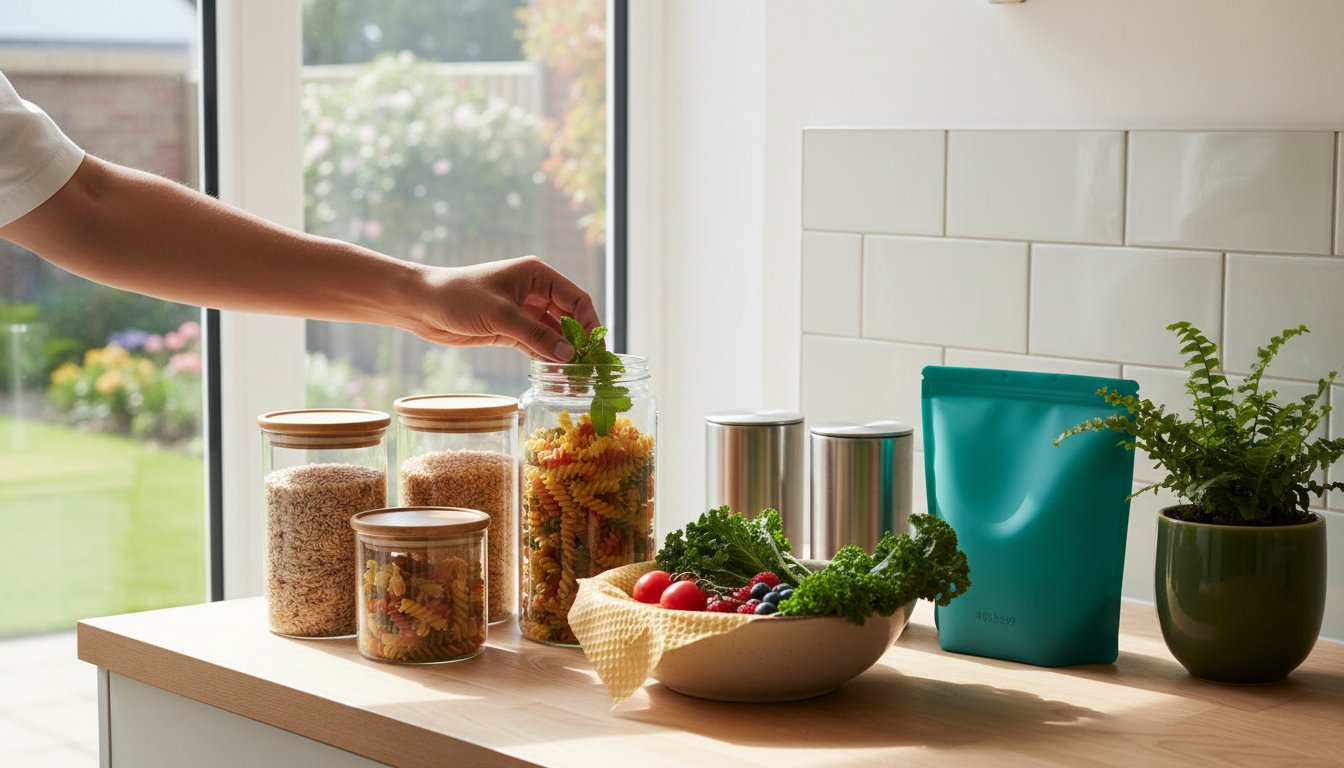
Your commitment to a plastic-free kitchen begins even before you reach the checkout. Bringing your own compostable shopping bags to the market ensures that your groceries are transported in a manner consistent with your values. Once home, transferring bulk dry goods into glass jars maintains a pest-proof and moisture-stable environment, completing the cycle of responsible stewardship.
The Science of Freshness: How Sustainable Covers Prevent Food Waste
Understanding the biological requirements of your food is the key to selecting effective zero waste food storage solutions. Many consumers assume that an airtight seal is always the superior choice for preservation; however, for many varieties of fresh produce, this lack of ventilation accelerates decay. Traditional LDPE plastic creates a completely anaerobic environment that traps ethylene gas, which is a natural ripening hormone emitted by fruits and vegetables. When this gas remains concentrated within a container, it triggers rapid over-ripening and subsequent rot. Modern bioplastics allow for a modulated gas exchange that traditional plastics cannot provide, effectively extending the shelf life of your groceries.
Bread storage provides a clear example of this principle in action. When stored in non-breathable plastic, the moisture from the bread is trapped against the crust, creating a humid environment where mould spores thrive. Conversely, using breathable compostable bags allows excess moisture to escape while maintaining enough of a barrier to prevent the loaf from drying out. This scientific approach to preservation is a cornerstone of the innovation seen in 2026, largely driven by the UK Plastic Packaging Tax. This regulation has incentivized manufacturers to move away from virgin polymers toward high-performance, plant-based materials that serve both the consumer and the environment, ultimately redefining zero waste food storage solutions for the modern home.
Breathability vs. Airtight Seals
Different food groups require distinct microclimates to remain safe and appetizing. Berries and leafy greens benefit from high breathability to prevent condensation and fungal growth. In contrast, fats and raw meats require a more robust barrier to prevent oxidation and potential cross-contamination. Compostable films mimic natural membranes by providing selective permeability. The molecular matrix of compostable film consists of semi-permeable plant-based polymers that facilitate a controlled exchange of water vapour and gases. You can ensure your produce remains at peak quality by utilizing compostable food roller bags designed to meet these specific atmospheric needs.
Understanding UK Compostability Standards (EN 13432)
To ensure your zero-waste choices don't contaminate the UK waste stream, look for the EN 13432 certification. This standard guarantees that a product will biodegrade within an industrial composting facility without leaving harmful residues or microplastics behind. The presence of the "Seedling" logo indicates that the material is compatible with your local authority's food waste caddy. It's vital to distinguish between industrial and home composting; while many food storage products are designed for the high-heat environment of a commercial facility, only those specifically labeled for home use should be added to your garden bin. By choosing certified materials, you support a systemic transition to a truly circular economy.
Implementing a Zero-Waste Kitchen Strategy with Sinhalite Holdings
Sinhalite Holdings acts as a dedicated advocate for households and businesses seeking a seamless transition to more responsible practices. While durable reusables form the core of a sustainable kitchen, high-performance compostables provide the necessary flexibility for a complete system. We believe that choosing zero waste food storage solutions shouldn't require a sacrifice in utility or strength. By integrating certified compostable materials into your daily routine, you ensure that every aspect of your food management, from the market to the compost heap, aligns with modern ethical standards. This systemic approach transforms the kitchen from a source of waste into a hub of environmental stewardship.
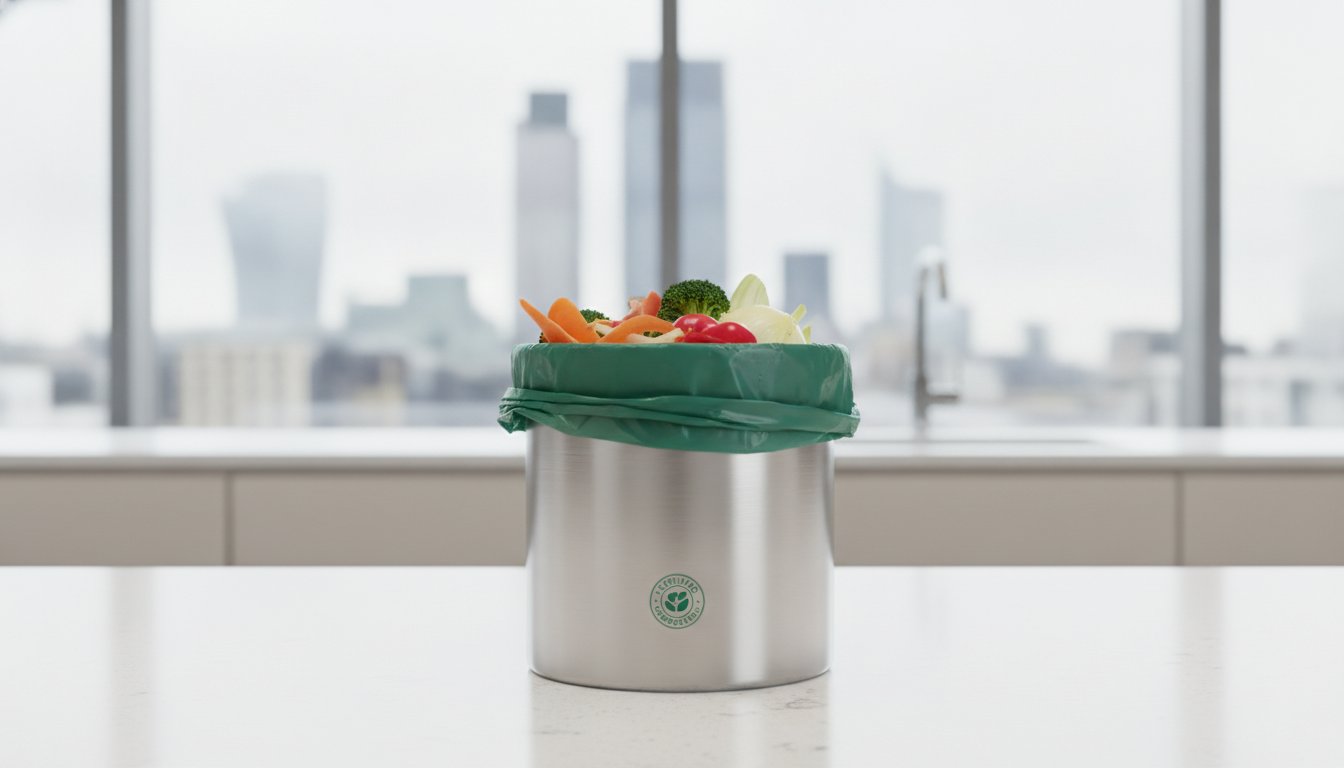
There is a powerful synergy in using our food roller bags for storage and our compostable caddy bags for organic waste collection. This integrated method ensures that both the packaging and the food scraps can be processed together in a single waste stream, simplifying the composting process for the user. Because our products are designed to perform under the rigours of a busy kitchen, you can maintain high standards of hygiene and organization without the environmental leakage associated with traditional plastics.
The Sinhalite Advantage: Performance Without Compromise
Our compostable household clingfilm is engineered to provide the same tactile cling and puncture resistance as traditional LDPE plastic. This ensures that your food remains protected from oxidation and dehydration without leaving a permanent environmental footprint. We prioritize industrial pragmatism alongside ecological responsibility, ensuring our materials meet the highest standards of durability. Our zero waste food storage solutions are characterized by several key performance factors:
- High Tensile Strength: Our food roller bags are designed for bulk shopping and produce management, providing a sturdy, plant-based alternative to thin grocery aisle plastics.
- Chemical Integrity: We maintain a strict commitment to PFAS-free and GMO-free materials in all our storage solutions, ensuring no "forever chemicals" enter your home or the soil.
- Hygienic Versatility: Our compostable clingfilm is suitable for both household and commercial use, offering a sterile barrier for raw proteins and high-mess food preparation.
Scaling Sustainability: Solutions for Homes and UK Businesses
The shift toward circular economies is a vital move for the UK commercial sector as well as individual households. Businesses can significantly improve their green credentials and meet 2026 sustainability targets by replacing traditional single-use plastics with compostable alternatives in their kitchens and packaging areas. For large households, the cost-effectiveness of bulk-buying compostable essentials ensures that sustainability remains an affordable long-term commitment. By choosing a partner that understands the intersection of modern innovation and natural processes, you gain a steady ally in the pursuit of a plastic-free future. It's time to move beyond the limitations of traditional plastic and embrace a future where convenience and conservation coexist. We invite you to take the next step in your sustainability journey and explore our range of compostable food storage solutions today.
Securing a Sustainable Future for Your Kitchen
We've explored how a strategic hierarchy of materials ensures that your food remains fresh while your household waste footprint disappears. By matching the right preservation method to specific ingredients, you move beyond mere lifestyle swaps toward a resilient, science-based system. Implementing these zero waste food storage solutions allows you to navigate the evolving regulatory landscape of 2026 with confidence and integrity. You now have the framework to choose between durable reusables for longevity and certified compostables for high-hygiene flexibility.
Sinhalite Holdings acts as your specialist partner in this transition, offering high-performance bioplastics designed for the modern home and business. As a UK-based distributor, we provide essentials that are fully certified to EN 13432 standards, ensuring your storage choices return safely to the earth. It's time to align your daily operations with your environmental values through tools that refuse to compromise on strength or utility. Upgrade your kitchen with Sinhalite Holdings compostable essentials and embrace the possibility of positive change. A plastic-free kitchen isn't just a visionary ideal; it's a practical reality that begins with the responsible choices you make today.
Frequently Asked Questions
Do compostable food storage bags contain hidden plastics?
Certified compostable food storage bags are entirely free from traditional, petroleum-based plastics. These products utilize plant-derived polymers, such as cornstarch or Mater-Bi, which are designed to break down into organic matter. Choosing certified zero waste food storage solutions ensures that your kitchen doesn't contribute to the microplastic crisis, as these materials leave no synthetic residue behind in the soil.
Can I use compostable clingfilm in the microwave safely?
You should exercise caution when using compostable clingfilm in the microwave. Most plant-based films have a lower melting point than traditional LDPE plastic and may soften or lose structural integrity under high heat. It's best to check the specific manufacturer's instructions for microwave compatibility. For safer results, use a glass lid or a ceramic plate to cover food during reheating.
How long does it take for compostable food bags to break down in a home bin?
The decomposition timeline for compostable food bags in a home bin typically ranges from six to twelve months. This duration depends on the specific "Home Compostable" certification and the environmental conditions of your heap, such as temperature and moisture levels. If a product is only certified for industrial composting, it requires the high-heat environment of a commercial facility to break down effectively.
Are compostable storage solutions more expensive than traditional plastic?
While the initial purchase price of compostable materials may reflect the specialized innovation required for their production, they offer significant long-term value. Transitioning to zero waste food storage solutions represents an investment in environmental stewardship and systemic change. Many households find that bulk-buying essentials like caddy bags and food roller bags provides a cost-effective path toward a plastic-free lifestyle.
Can you freeze food in compostable bags without it getting freezer burn?
You can effectively freeze food in compostable bags by ensuring all excess air is removed before sealing. Air is the primary cause of freezer burn, and the flexible nature of plant-based bags allows for a tighter seal than many rigid containers. This "No-Air" strategy preserves the texture and nutrient profile of your ingredients, ensuring they remain fresh for months without the use of single-use plastics.
What is the difference between "biodegradable" and "compostable" food storage?
The term "biodegradable" is often unregulated and doesn't guarantee a safe end-of-life process. In contrast, "compostable" products must meet rigorous legal standards, such as EN 13432, to ensure they break down without leaving toxic residues. This distinction is vital for maintaining the integrity of the UK waste stream and ensuring your sustainable choices actually deliver a positive environmental impact.
Can I use my own compostable bags for council-collected food waste caddies?
Most UK local authorities permit the use of certified compostable bags in council-collected food waste caddies. You must look for the "Seedling" or "OK Compost" logos to ensure the material is compatible with industrial processing facilities. Using these certified liners simplifies the collection process and ensures that your organic waste is successfully converted into high-quality compost for agricultural use.
How should I store bread to keep it fresh without using plastic bags?
Storing bread in breathable compostable bags or linen wraps is the most effective way to prevent mould growth. Traditional plastic bags trap moisture against the crust, creating a humid environment where spores thrive. Breathable alternatives allow for a controlled exchange of water vapour, which keeps the loaf fresh while maintaining the desired texture of the crust for several days.