The era of settling for flimsy, leak-prone eco-alternatives is officially over. You've likely felt the frustration of greenwashing or kitchen bags that tear the moment they're full. It's exhausting to pursue a plastic-free home when the tools provided don't match the demands of a busy household. We believe that true environmental stewardship must be paired with industrial-grade reliability. This guide identifies the most effective sustainable kitchen swaps 2026 has to offer, focusing on high-performance, certified compostable technology that simplifies your daily routine.
You'll discover how to eliminate traditional plastics using advanced materials that maintain the durability you expect from standard household products. We'll explore the transition from conventional waste liners and food wraps to certified compostable alternatives that integrate seamlessly into your lifestyle. By the end of this guide, you'll have a clear, actionable roadmap to a functional kitchen that reflects your values without compromising on utility. It's time to build a home that's as resilient as it's responsible.
Key Takeaways
- Understand how the 2026 sustainable kitchen prioritizes circularity over traditional recycling to create a more resilient, low-impact home.
- Learn why certified compostable clingfilm provides a superior hygienic alternative to reusables without the environmental cost of single-use plastics.
- Discover the most effective sustainable kitchen swaps 2026 offers to replace high-volume waste items like garbage bags and food caddy liners.
- Master a simple two-step kitchen audit to identify and eliminate plastic waste while maintaining the durability and strength your household requires.
- Explore how compostable food roller bags and shopping bags solve the common challenges of plastic-free grocery shopping and meal preparation.
The Evolution of the Sustainable Kitchen in 2026
The modern kitchen is no longer just a place for meal preparation; it's the frontline of environmental stewardship. By 2026, the focus has shifted from the simple act of recycling to the more robust principle of circularity. This transition ensures that the materials we use don't just end up in a different bin, but instead return to the earth as nutrients. Adopting sustainable kitchen swaps 2026 represents the highest-impact starting point for UK households because the kitchen generates the most consistent volume of daily waste. When we choose to replace high-utility plastics with compostable technology, we're making a calculated decision to support a healthier ecosystem.
What was once a niche lifestyle choice is now a national standard for responsible living. The primary offenders in our homes are often the most invisible: thin-film plastics, produce bags, and bin liners. These items are designed for minutes of use but persist for centuries in our oceans and soil. To better understand how simple changes can contribute to a plastic-free home, watch this helpful video:
Why 2026 is a Turning Point for Plastic Waste
This year marks a significant shift as updated UK plastic packaging taxes and stricter environmental regulations have made traditional plastics less viable for both manufacturers and consumers. People now expect absolute transparency in supply chains and demand products that align with their ethical standards. A sustainable kitchen swap is a systemic shift in household management that replaces linear waste patterns with circular, regenerative alternatives. It's a proactive choice that prioritizes long-term health over short-term convenience. This evolution is driven by a collective understanding that our individual choices contribute to a larger, global impact.
The Problem with "Legacy" Kitchen Plastics
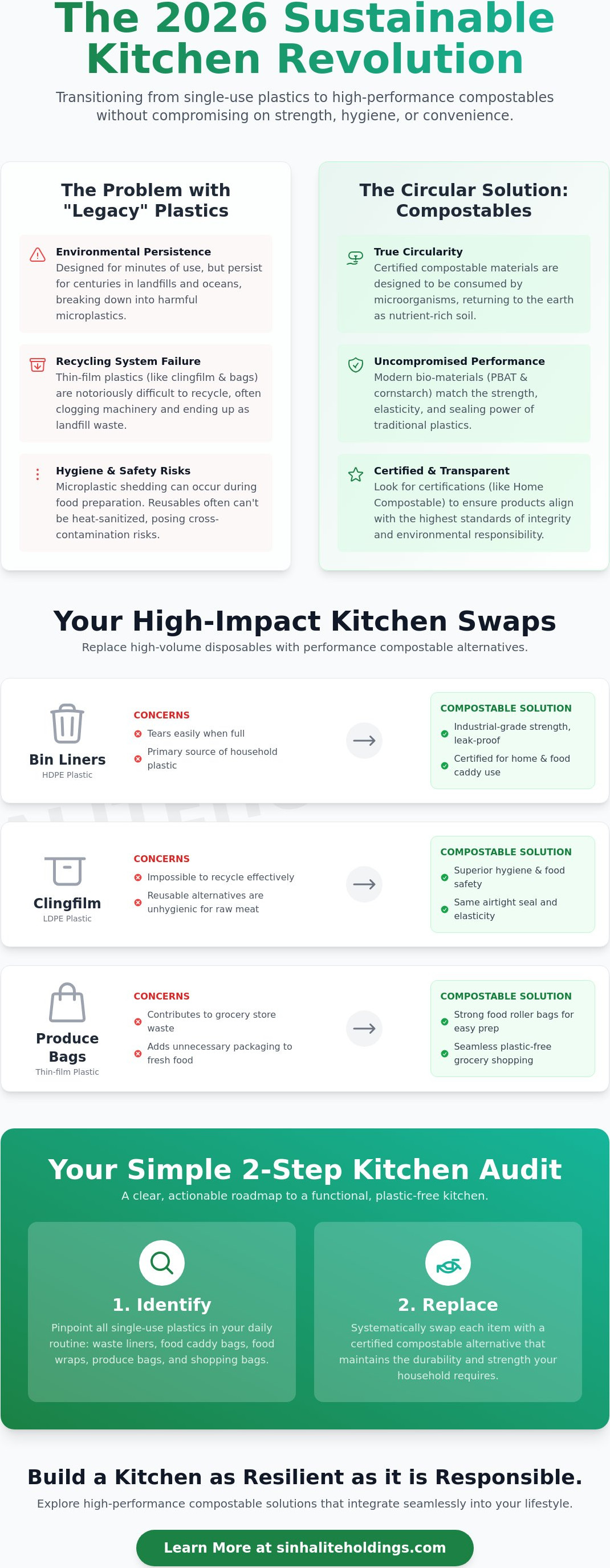
Traditional kitchen plastics, such as LDPE clingfilm and HDPE bags, carry a hidden environmental cost that far outweighs their utility. The problem with single-use plastics is especially evident in food preparation environments where microplastic shedding can occur during routine tasks. These thin-film materials are notoriously difficult to process in traditional recycling systems. They often clog machinery or end up in landfills because they're too contaminated or lightweight to be profitably reclaimed. By moving away from these legacy materials, you're not just reducing waste; you're protecting your home environment from the systemic failure of outdated plastic technology. Choosing high-performance compostable alternatives ensures that your kitchen remains functional while upholding the highest standards of integrity and performance.
Transitioning from Single-Use Plastics to Performance Compostables
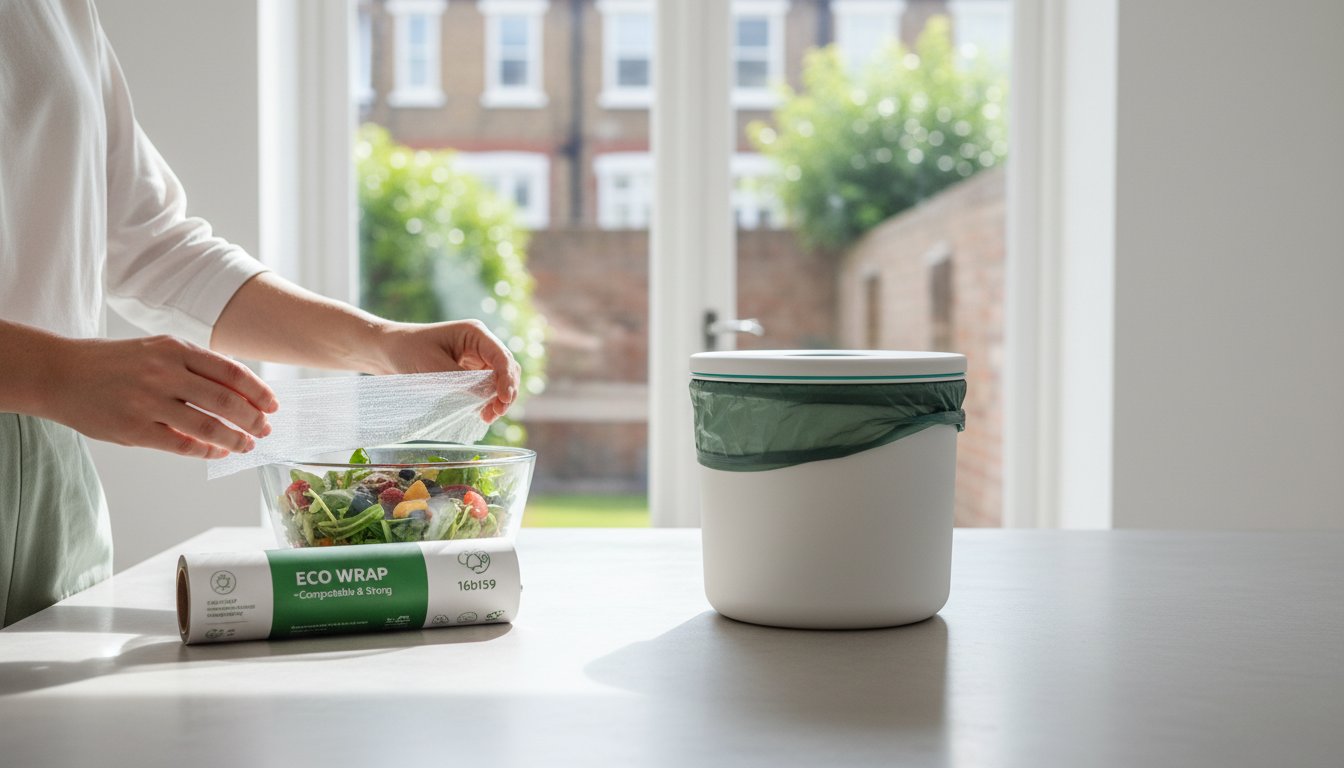
Many households find that reusable wraps or glass containers don't always meet the rigorous hygiene standards required for raw meats or high-fat ingredients. This is the "Clingfilm Dilemma." While beeswax wraps are excellent for bread or dry vegetables, they can't be sanitized with high heat. This creates a risk of cross-contamination. Certified compostable clingfilm has emerged as the modern professional alternative. It offers the same airtight seal and elasticity as traditional plastic without the long-term environmental burden. It's a key component of sustainable kitchen swaps 2026 strategies for families who refuse to compromise on safety.
The science behind these films relies on a sophisticated blend of PBAT and cornstarch. Unlike traditional polymers that break down into persistent microplastics, these bio-based materials are designed to be consumed by microorganisms in a compost environment. This isn't just about being green; it's about performance. Modern compostable films match the stretching and sealing capabilities of their plastic predecessors. They ensure your food stays fresh and protected throughout the week. You'll find that the material clings effectively to ceramics and glass, providing the reliable barrier needed for daily kitchen tasks.
Certified Home Compostable vs. Industrial Standards
The term "biodegradable" is now widely recognized as a misleading marketing label that lacks specific timeframes or environmental conditions. True accountability comes from certifications like TUV Austria's "OK compost HOME." This standard guarantees that the material will fully break down in a garden compost heap without leaving toxic residues behind. Industrial composting standards are different. They require high-heat facilities that aren't always accessible to every household. You should always look for the "home" certification to ensure your swaps actually work within your own waste management system.
Practical Applications for Compostable Food Wrap
These films are safe for high-fat foods and raw ingredients. They provide a sterile, single-use barrier that reusables often struggle to maintain. They remain stable in the fridge and are safe for short microwave use, adapting to the dynamic needs of a modern kitchen. Superior moisture vapour transmission helps maximize food shelf-life by preventing excess condensation. This level of performance is essential for intelligent food waste management, as it reduces spoilage while eliminating plastic waste. If you're ready to upgrade your food storage, switching to compostable household clingfilm allows you to maintain hygiene without the plastic.
Beyond the Bin: Intelligent Food Waste Management
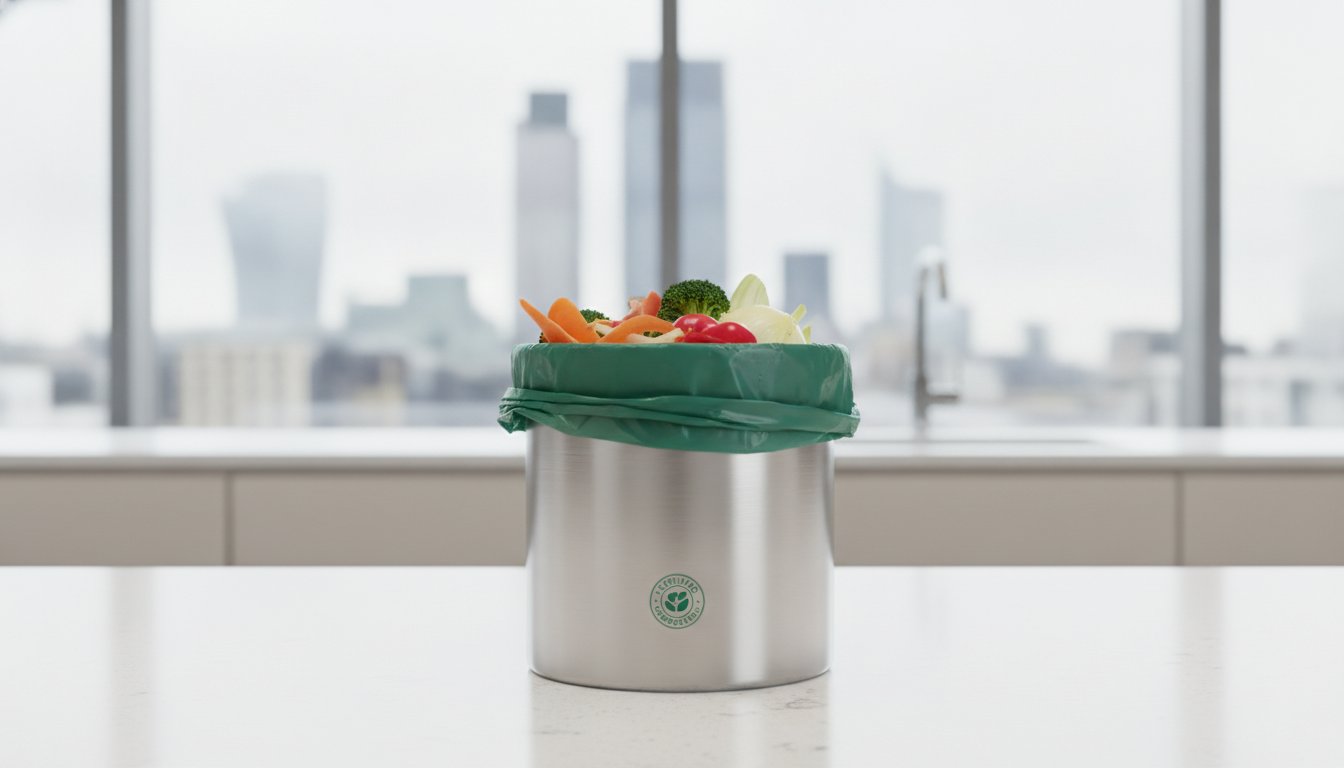
By 2026, UK waste regulations have matured to require mandatory food waste collections for all households. This legislative shift highlights the critical role of food caddy liners in the national circular economy. When you use certified compostable caddy bags, you ensure that organic matter remains free from plastic contamination. This is vital because traditional plastic fragments can ruin entire batches of municipal compost, rendering them useless for agricultural applications. Implementing these sustainable kitchen swaps 2026 ensures your household waste becomes a valuable resource rather than a long-term liability.
The most common frustration with food waste management is the buildup of "bin juice" and the accompanying odors. Traditional plastic liners are non-porous. They trap heat and moisture, which accelerates the decomposition of food in an anaerobic environment. In contrast, compostable liners feature a breathable structure that allows moisture vapor to escape. This process keeps the waste drier and significantly reduces the production of unpleasant smells. It's a functional improvement that makes eco-friendly waste management more practical for the average kitchen.
Choosing the Right Caddy Liner for Your Household
Efficiency in waste management starts with selecting the appropriate bag size for your specific kitchen setup. Whether you utilize a 5L, 7L, or 10L caddy, the fit must be precise to prevent slipping or tearing. The breathability factor is not just about odor control; it also helps the bag maintain its structural integrity until it's ready for collection. Sinhalite Holdings sets a high bar for strength and puncture resistance in every liner produced. This technical focus means you can dispose of vegetable stalks or eggshells with the confidence that the bag won't fail during the walk to the outdoor bin.
Managing Larger Refuse with Compostable Sacks
Extending your plastic-free commitment to larger waste streams is now achievable through heavy-duty compostable garbage bags. These sacks provide a direct replacement for traditional black bin bags, which are often made from non-recyclable low-density polyethylene. They're particularly useful for handling garden waste or large-scale kitchen cleanouts where organic overflow is high. The perceived lack of material strength remains the primary objection consumers have when considering a transition to eco-friendly disposal solutions. Integrating these into your routine is one of the most impactful sustainable kitchen swaps 2026 can provide for the modern home. By using advanced bio-polymers, these sacks offer the durability required for heavy household refuse while strictly adhering to your environmental goals.
Sustainable Shopping and Meal Prep Strategies
While many of us aim to carry reusable cotton totes, unplanned shopping trips are an inevitable part of modern life. The "Bag for Life" was originally conceived as a solution, but these heavy plastic carriers often accumulate in cupboards, eventually contributing to landfill waste. Certified compostable shopping bags provide a far more responsible fallback for these moments. They provide the industrial-grade strength required for a full grocery load while ensuring the material can return to the earth. Adopting these as part of your sustainable kitchen swaps 2026 strategy ensures that even your fallback options align with a circular economy.
Loose produce remains a significant source of hidden plastic in the grocery supply chain. Most supermarkets still provide thin-film HDPE bags that are nearly impossible to recycle. High-performance compostable food roller bags offer a practical intervention. These bags are engineered to withstand the weight of heavy root vegetables while remaining soft enough for delicate berries. By choosing to use your own compostable alternatives at the point of purchase, you directly influence the reduction of single-use plastics in the retail environment. It's a simple change that yields immediate results for your home's environmental footprint.
Redefining the Shopping Trip
A primary advantage of compostable carrier bags is their secondary utility as food caddy liners. This double-win ensures that the material serves two vital functions in your home before it's composted. You can also use food roller bags for dry bulk goods, such as lentils or nuts, to avoid pre-packaged plastic containers entirely. This methodical approach to meal prep ensures that every item entering your kitchen has a clear, eco-friendly exit strategy. It's about building a system where convenience and responsibility coexist naturally.
Sustainable Storage for Fresh Produce
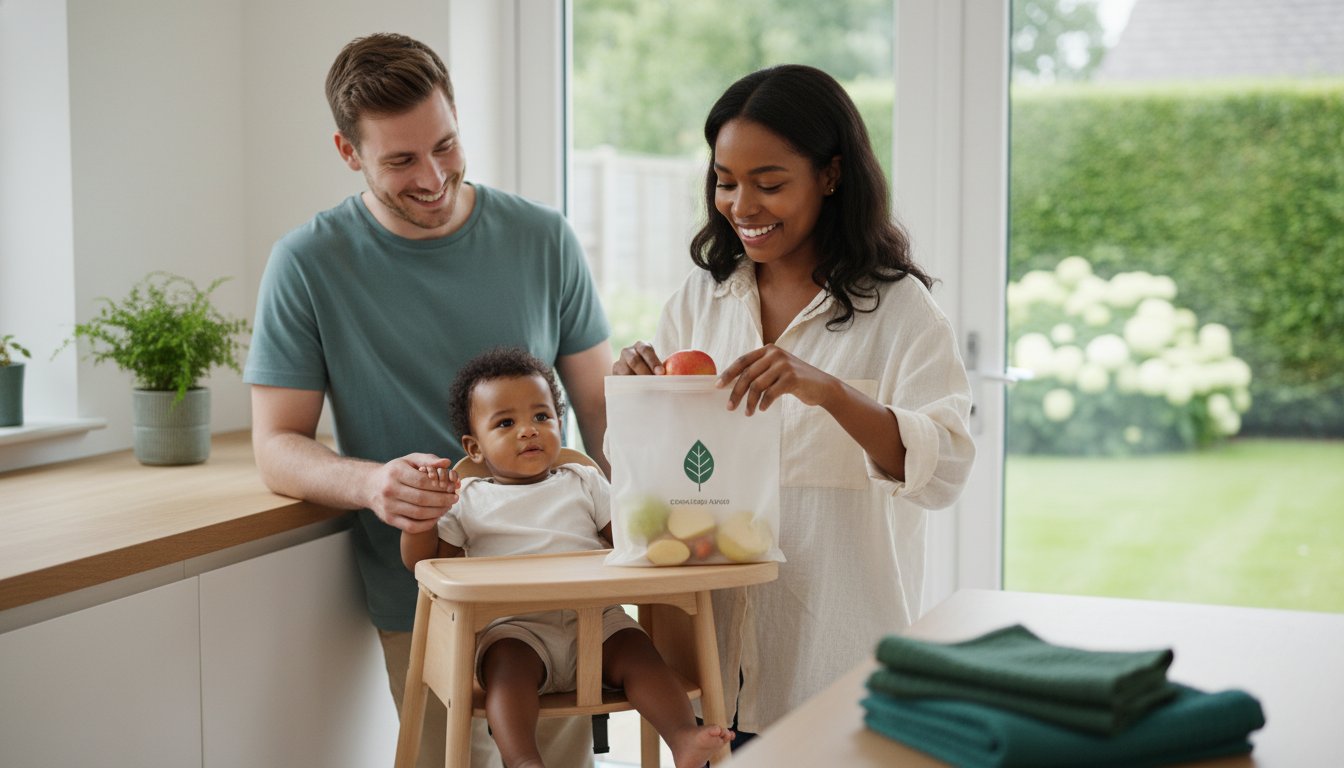
Extending the shelf life of fresh ingredients is a critical step in reducing household waste. Leafy greens often spoil quickly in traditional plastic because trapped condensation accelerates rot. Breathable compostable bags allow for a natural exchange of moisture, which keeps vegetables crisp and fresh for several extra days. This performance-oriented storage is a cornerstone of a functional, plastic-free pantry. To start optimizing your grocery routine, you can explore compostable food roller bags that combine durability with environmental integrity. Proper storage doesn't just save the planet; it saves your grocery budget by preventing premature spoilage.
Implementing a Seamless Transition to a Plastic-Free Kitchen
Transitioning to a plastic-free kitchen is a methodical journey that requires a structured approach. It's not about an immediate, total overhaul; it's about building a system that lasts. The first step involves conducting a thorough kitchen plastic audit. By identifying where your high-volume waste originates, you can prioritize the most impactful changes. For most households, this means focusing on high-utility items like food wraps and waste liners. These products represent the most frequent touchpoints in your daily routine and offer the greatest opportunity for meaningful reduction.
Once you've identified your targets, the next phase is sourcing certified materials from trusted UK providers. It's vital to educate every member of the household on the distinction between traditional plastics and compostable technology. Proper disposal in the designated compost or food waste bin is essential to ensure the circular process is completed. This collective understanding prevents contamination and reinforces the integrity of your environmental efforts. Monitoring the performance of your sustainable kitchen swaps 2026 allows you to refine your inventory and ensure your home remains both functional and responsible.
Why Performance Matters in Eco-Swaps
The primary reason many environmental initiatives fail is the "frustration cycle" caused by low-quality alternatives. If a bin liner leaks or a food wrap doesn't seal, the natural impulse is to return to familiar plastic products. We believe that environmental stewardship shouldn't require a sacrifice in utility. High-performance materials save money over time by reducing food spoilage and preventing the need for double-bagging. Choosing products that match industrial-strength standards ensures your transition is permanent rather than a temporary experiment. It's a proactive way to align your daily operations with a visionary outlook for the planet. This commitment to efficacy and high standards is something we also see in the rise of specialized personal care, with brands like GLI GLI offering professional-grade oral care solutions for the home.
Leading the Change: Sinhalite Holdings Solutions
Sinhalite Holdings provides a comprehensive suite of solutions designed to meet the rigorous demands of a modern kitchen. Our range includes everything from compostable household clingfilm and caddy bags to heavy-duty garbage bags and food roller bags. We combine UK-based technical expertise with a commitment to national distribution, ensuring that every household has access to reliable, eco-friendly tools. By choosing a partner dedicated to both durability and transparency, you can lead the change in your community with confidence. We invite you to explore the full Sinhalite compostable range for your home and discover how high-performance materials can streamline your path to a plastic-free future. Making the switch today is a powerful step toward a more resilient and responsible lifestyle.
Building a Resilient, Plastic-Free Kitchen for the Future
The transition toward a circular household represents a profound commitment to environmental stewardship and long-term responsibility. It's clear that true sustainability is achieved when high-performance materials replace legacy plastics without sacrificing the utility your daily life demands. We've examined how adopting sustainable kitchen swaps 2026 can effectively eliminate thin-film waste from your shopping trips, food storage, and waste management routines. This systemic shift ensures that every material entering your home has a clear, regenerative exit strategy that benefits our local ecosystems.
As a dedicated UK-wide specialist supplier, we're proud to offer solutions that meet the highest standards of integrity. Our products feature TUV Austria OK compost HOME certification and provide the industrial-strength puncture resistance needed for heavy-duty household tasks. You can switch to high-performance compostable kitchen essentials today to secure a more resilient and plastic-free future for your family. Embracing these advanced technologies is a proactive step toward a world where convenience and environmental health exist in perfect harmony. Your journey toward a more responsible home starts with these simple, powerful choices.
Frequently Asked Questions
Do compostable kitchen bags actually break down in home compost heaps?
Yes, compostable bags will break down in home heaps if they carry the "OK compost HOME" certification. These materials are specifically engineered to decompose at the lower temperatures found in domestic compost piles. Unlike industrial versions, they break down into water, CO2, and biomass within 12 months in a healthy environment. It's a reliable way to manage organic waste without leaving microplastic residues in your garden soil.
Can I use compostable clingfilm in the microwave safely?
You can use certified compostable clingfilm for short intervals in the microwave to reheat food. It's designed to remain stable under moderate heat, though you should avoid direct contact with high-fat foods that reach extreme temperatures. Always leave a small gap for steam to escape during the process. This ensures your food stays moist while maintaining the integrity of the film during the reheating cycle.
Why are my compostable caddy liners splitting, and how can I stop it?
Splitting usually occurs due to excessive moisture buildup or sharp objects puncturing the material. You can prevent this by placing a layer of cardboard at the bottom of the caddy to absorb liquids. Additionally, choosing liners with industrial-strength puncture resistance ensures the bag handles heavy organic waste effectively. Emptying the caddy every two to three days also helps maintain the structural integrity of these bio-based materials.
Are bioplastics like PLA and PBAT really better for the environment?
Bioplastics like PBAT and cornstarch-based materials are superior alternatives because they're derived from renewable resources and are fully compostable. They don't persist in the environment for centuries like traditional petroleum-based plastics. When used as part of your sustainable kitchen swaps 2026, these materials support a circular economy. They return to the earth as nutrients rather than breaking down into harmful, permanent microplastics.
What is the difference between biodegradable and home compostable certifications?
"Biodegradable" is a broad term that often lacks specific timeframes, whereas "home compostable" is a rigorous, time-bound certification. Materials labeled as home compostable must fully decompose in a domestic environment without leaving toxins. Biodegradable items might only break down in industrial facilities or over many decades. For a truly plastic-free home, you should prioritize the TUV Austria "OK compost HOME" mark to ensure absolute environmental accountability.
How should I dispose of compostable bags if I don’t have a garden compost?
You should place them in your local authority's food waste collection bin for municipal processing. Most UK councils now provide specialized collections where these bags are handled alongside organic food scraps. If your area doesn't yet offer this service, check for local community composting hubs or allotments. Don't place them in the standard plastic recycling bin, as they can contaminate the recycling stream for traditional polymers.
Can compostable shopping bags be reused as bin liners?
Yes, reusing compostable shopping bags as food caddy liners is an excellent way to maximize their utility. These bags are engineered with the same durability and breathability as dedicated waste liners. This dual-purpose approach reduces the need for additional products while ensuring the material eventually returns to the earth. It's a practical strategy for anyone implementing sustainable kitchen swaps 2026 to streamline their household waste management.
Will sustainable kitchen swaps save me money in the long run?
Sustainable swaps save you money by reducing food waste and eliminating the need for multiple single-use products. Breathable compostable bags keep produce fresh for longer, which directly lowers your monthly grocery bills. While the initial cost per bag might be slightly higher, the functional benefits and reduced environmental impact provide a significant value proposition. Investing in high-performance tools prevents the waste associated with flimsy, low-quality alternatives.