
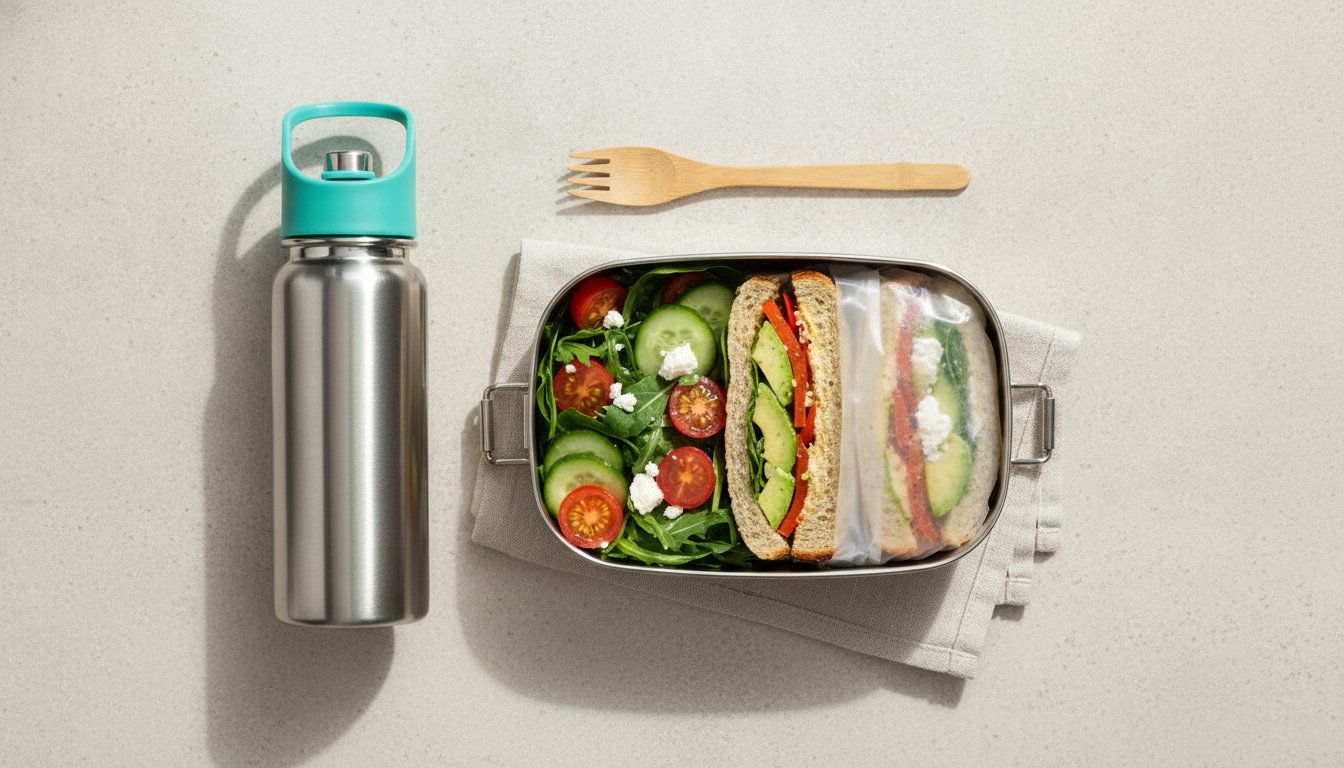
Did you know that food waste is projected to cost the global economy a staggering $540 billion in 2026? This figure highlights a systemic challenge, yet for many professionals, the daily struggle is much more personal: the persistent guilt of using single-use plastics and the frustration of food that loses its freshness by noon. You likely value environmental stewardship, but the burden of washing endless containers or dealing with subpar wrapping often makes the transition feel impractical. It's time to move beyond the compromises of the past and embrace a more sophisticated approach to your midday meal.
We're here to help you master a waste-free routine that aligns with modern ethical standards without adding complexity to your morning. By exploring these ten sustainable packed lunch ideas, you'll discover how to integrate innovative compostable solutions, such as plant-based clingfilm, into a circular economy framework. We'll provide a clear roadmap for keeping your food crisp and delicious, streamlining your preparation process, and ensuring that your packaging returns to the earth responsibly. Let's look at how high-performance materials can transform your daily habits into a powerful statement for a greener future.
Key Takeaways
- Understand how to integrate durable stainless steel containers with compostable clingfilm to protect your meals without relying on traditional single-use plastics.
- Identify efficient meal prep habits, such as portion scaling and bulk purchasing, that minimise food waste and reduce the need for primary plastic packaging.
- Discover ten innovative sustainable packed lunch ideas that combine structural durability with plant-based protection for a waste-free midday routine.
- Learn to close the loop on your waste by correctly identifying the appropriate disposal routes for compostable materials and organic food scraps.
Choosing Your Sustainable Lunch Kit: Hardware and Wraps
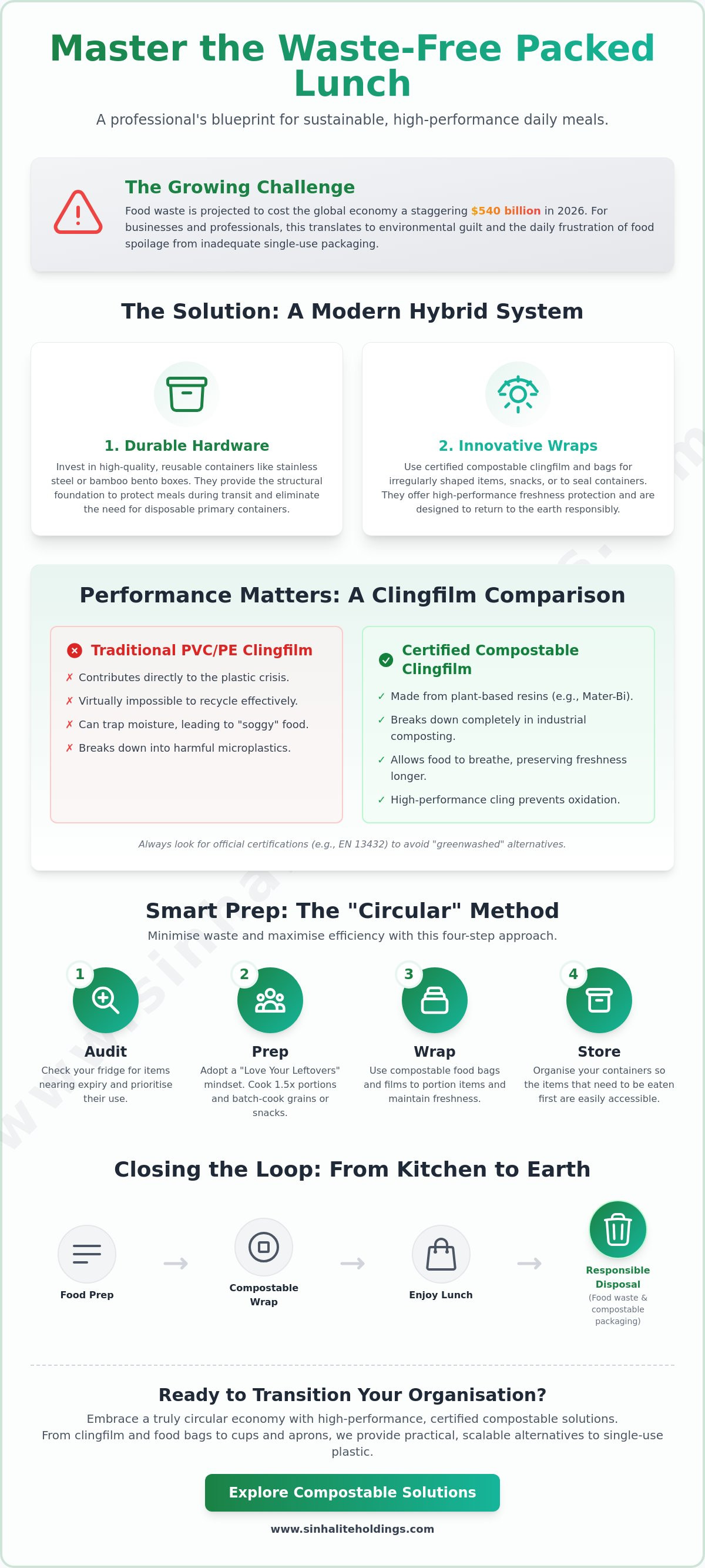
Building a waste-free routine requires a strategic selection of tools that balance durability with disposability. While some suggest that reusables are the only path forward, an efficient system for 2026 integrates high-quality hardware with innovative plant-based wraps. Investing in stainless steel or bamboo bento boxes provides a structural foundation for your sustainable packed lunch ideas, ensuring that meals remain uncrushed during transit. However, hardware alone cannot solve every challenge. Irregularly shaped items like halved avocados or crusty baguettes require flexible protection to maintain freshness. To ensure your choices align with global standards, it's vital to understand the criteria for sustainable packaging, which prioritises materials that can be safely returned to the nutrient cycle.
To better understand how to prepare delicious, eco-friendly meals, watch this helpful video:
The Role of Certified Compostable Clingfilm
Traditional PVC and PE wraps contribute significantly to the plastic crisis because they're virtually impossible to recycle. Modern professionals are switching to compostable clingfilm uk options made from Mater-Bi or similar plant-based resins. This transition is about performance as much as ethics. You need compostable cling film that actually clings to prevent oxidation, which is the primary cause of premature food spoilage. Always verify your purchases by looking for certified compostable markings to avoid "greenwashed" plastics that merely fragment into microplastics.
Lightweight Solutions for On-the-Go Snacking
Not every snack requires a heavy glass jar or a rigid container. For commuters and busy staff, weight is a practical concern. Portability matters. Compostable food roller bags offer a plastic-free alternative for nuts, seeds, and biscuits without the bulk. These bags provide the convenience of traditional plastic but are designed to break down in organic waste streams. They represent a scalable solution for organisations looking to provide eco-friendly amenities that support a circular economy.
Smart Meal Prep Strategies to Minimise Food Waste
Efficiency in the kitchen is the cornerstone of any waste-reduction initiative. When you adopt a "Love Your Leftovers" mindset, you intentionally cook 1.5x portions for dinner to secure the next day’s lunch. This practice eliminates the need for separate prep sessions and ensures that excess ingredients don't linger in the fridge. Buying dry goods in bulk further supports this goal by reducing the volume of primary plastic packaging entering your home. These small shifts in procurement and preparation are vital components of successful sustainable packed lunch ideas.
The "Circular" Prep Method
The circular prep method is a system where every element of the meal, from peelings to packaging, returns to the earth. To implement this effectively, follow these logical steps:
- Audit: Check your fridge for items nearing their expiry to prioritise their use.
- Prep: Cook grains, proteins, or home-baked snacks in bulk to save time.
- Wrap: Use compostable food bags or plant-based films to portion out items.
- Store: Organise your containers to ensure the freshest items are consumed first.
This approach mirrors successful initiatives like the Plastic Free Lunch Day, which demonstrates how large-scale organisations can phase out single-use materials through better planning.
Protecting Freshness Without Plastic
Maintaining food quality is essential to prevent waste. Traditional plastic traps moisture and gases, often leading to the "soggy sandwich" syndrome that many commuters dread. Plant-based barriers allow food to breathe more naturally than synthetic films; this characteristic can actually extend the freshness of produce. When batch-prepping, use compostable wrap to seal containers tightly to prevent freezer burn and keep textures intact. For those seeking to equip their kitchen with these performance-oriented tools, exploring a range of compostable food roller bags and wraps is a practical first step. Deconstructing salads into layers within a single container also preserves crispness, removing the need for multiple small plastic pots.
Closing the Loop: Responsible Disposal and Circular Habits
The lifecycle of a meal doesn't end when your lunch box is empty. True environmental stewardship requires a clear understanding of where your waste travels once it leaves your hand. While your sustainable packed lunch ideas focus on the quality of the contents, the disposal of the packaging and organic scraps determines the ultimate ecological impact. You must distinguish between materials suitable for a garden heap and those requiring industrial processing. This distinction is critical to preventing contamination in local waste streams and ensuring that resources are truly recovered.
Circularity is a commitment to the entire process. It isn't enough to simply buy better; you must also dispose better. By correctly identifying waste streams, you support the transition to a regenerative economy where "waste" becomes a nutrient for the next cycle of growth.
Managing Food Waste Caddies at Home
Integrating a food waste caddy into your kitchen routine is the most effective way to capture organic lunch prep scraps like vegetable peelings and fruit cores. These nutrients should return to the soil via municipal composting rather than rotting in a landfill. To maintain a hygienic and professional environment, ensure all used wraps and bags are placed in a leak proof food caddy liner. These breathable, plant-based liners allow moisture to evaporate; this process significantly reduces odours and prevents the mess often associated with organic waste collection.
Verifying Your Sustainable Packaging
Navigating the UK's regulatory landscape for compostables requires attention to technical detail. You shouldn't be misled by vague "eco-friendly" or "green" claims that lack evidence. Instead, look for the TUV Austria "OK compost" symbols or the EN 13432 standard on your packaging. It's helpful to have the OK compost HOME certification explained so you can be certain a product will break down in a standard garden compost heap. Use this checklist to identify genuine plant-based materials:
- The Seedling Logo: A globally recognised mark for industrial compostability.
- Specific Certification Numbers: These allow you to verify the manufacturer's claims.
- Material Composition: Genuine compostables are often made from corn starch or plant resins, not conventional polymers.
Avoid oxo-degradable products. These are often "fake" plastics that simply fragment into microplastics rather than returning safely to nature. By choosing certified solutions, you ensure your midday routine remains a proactive part of the solution.
Empowering a Circular Future for Your Midday Meal
Transitioning to a plastic-free routine is a powerful commitment to environmental stewardship. By integrating durable hardware with high-performance plant-based wraps, you ensure food stays fresh while significantly reducing your ecological footprint. Adopting these sustainable packed lunch ideas allows you to streamline your morning routine and contribute to a healthier, waste-free planet. Success lies in the combination of smart preparation and the responsible disposal of certified materials that return nutrients to the earth.
We're dedicated to supporting the UK circular economy by providing innovative alternatives that don't compromise on utility. As a UK-based specialist in TUV certified compostables, we utilise pioneering Mater-Bi technology to ensure our products offer the superior strength and durability required for busy professional lives. This intersection of modern innovation and natural processes makes a sustainable transition both achievable and advantageous for organisations of any size.
Explore our range of professional-grade compostable lunch solutions at Sinhalite Holdings and take the next step toward a cleaner, greener future. Together, we can transform daily habits into a legacy of responsible innovation.
Frequently Asked Questions
Is compostable clingfilm as effective as traditional plastic wrap for lunches?
Professional-grade compostable clingfilm is engineered to provide the same airtight seal and elasticity as conventional PVC versions. It utilizes plant-based resins to ensure superior strength and high-performance cling. This ensures that your food remains fresh and protected from oxidation throughout the day. It's a reliable alternative that supports your transition to sustainable packed lunch ideas without sacrificing the utility needed for busy corporate environments.
Can I put compostable sandwich bags in my garden compost heap?
You can only compost sandwich bags in a garden heap if they carry the "OK compost HOME" certification. Standard industrial compostable items require the higher temperatures found in municipal facilities to break down effectively. Always check the packaging for specific home-composting symbols to avoid contaminating your garden soil with materials that won't degrade. This distinction is vital for closing the loop correctly and ensuring your waste returns safely to the nutrient cycle.
How do I stop my sustainable packed lunch from getting soggy?
Preventing moisture build-up requires a combination of structural layering and breathable plant-based barriers. Plant-based films and food roller bags allow for better gas exchange than traditional plastic; this helps to maintain the crisp texture of bread and produce. You should also pack wet ingredients like dressings or tomatoes separately. This methodical approach ensures your sustainable packed lunch ideas remain appetising and fresh until midday, reducing food waste and improving the dining experience.
What is the most eco-friendly way to pack a liquid-based lunch like soup?
The most responsible way to transport liquid-based lunches is by using high-quality, insulated stainless steel flasks. These containers offer exceptional durability and thermal performance, keeping your soup hot for hours without the need for single-use liners. For any accompanying bread or snacks, utilise compostable food roller bags to provide a lightweight, plastic-free solution. Combining durable hardware with certified compostable disposables represents the most efficient and circular approach to modern lunch preparation.


