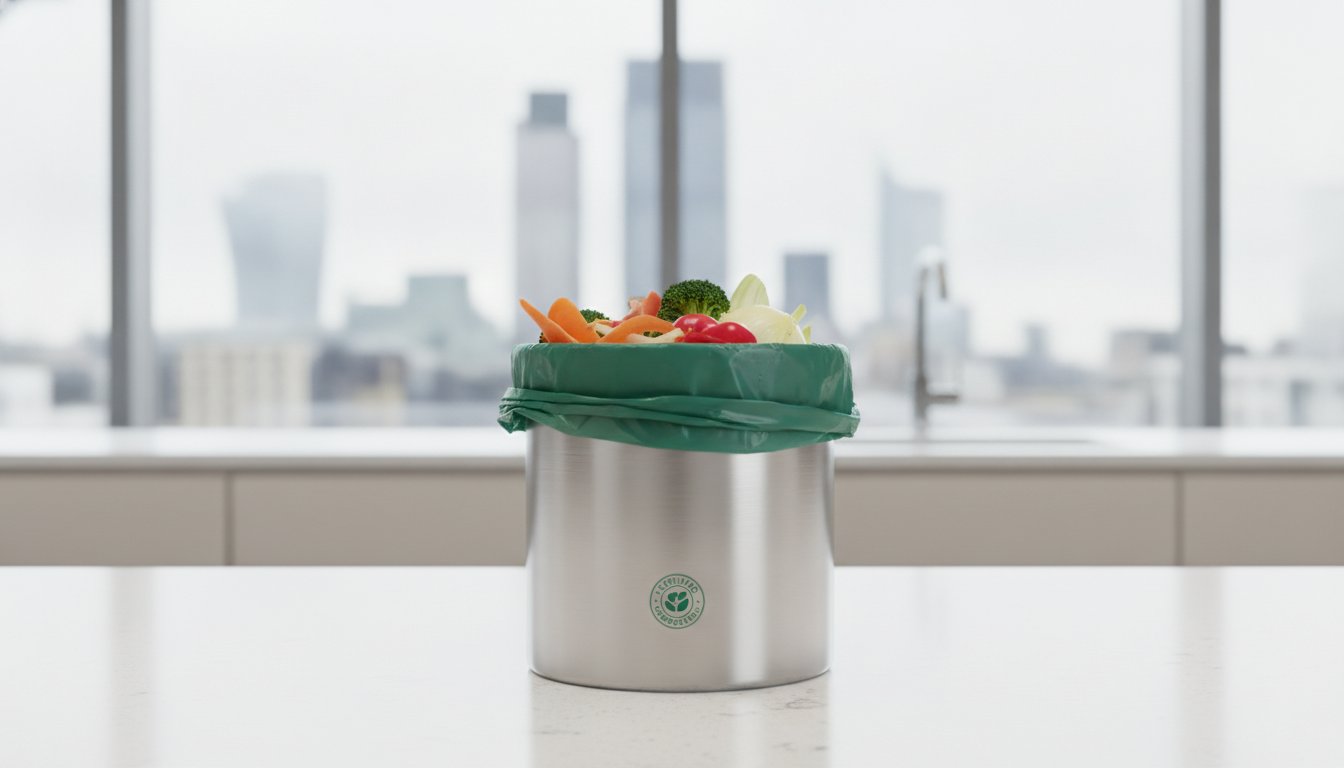
With the UK hospitality sector generating approximately one million tonnes of food waste annually, the pressure to find reliable, circular waste solutions has never been higher. Implementing high-performance compostable packaging for hospitality industry uk operations is no longer just a visionary preference; it's a strategic necessity to manage both environmental impact and rising costs. You're likely feeling the weight of the £228.82 per tonne Plastic Packaging Tax or worrying whether eco-friendly films can actually withstand the rigours of a professional kitchen. It's a common concern that shifting away from traditional plastics might invite "greenwashing" accusations or operational failures.
We're here to ensure your transition is both seamless and commercially viable. This guide will help you navigate the 2026 regulatory landscape with confidence, providing a clear roadmap for switching to durable, certified alternatives like compostable garbage bags and food-grade wraps. You'll discover how to meet strict UK standards while improving your brand's reputation through genuine, measurable sustainability. Let's explore the practical tools and strategies that will define the next era of responsible hospitality management.
Key Takeaways
- Understand how the 2026 Plastic Packaging Tax impacts your bottom line and why certified compostable materials are the responsible choice for long-term financial stability.
- Learn how to integrate high-performance compostable packaging for hospitality industry uk into your daily operations without sacrificing the durability of essential items.
- Discover the innovation behind compostable clingfilm that delivers the necessary adhesion and food protection required in high-pressure commercial kitchens.
- Identify the strength requirements for heavy-duty compostable garbage bags to ensure reliable containment of high-volume food waste without leaks or punctures.
- Gain practical insights into staff training and waste segregation techniques that ensure your sustainable investments successfully reach the correct organic processing streams.
The 2026 Landscape: Why Compostable Packaging is Essential for UK Hospitality
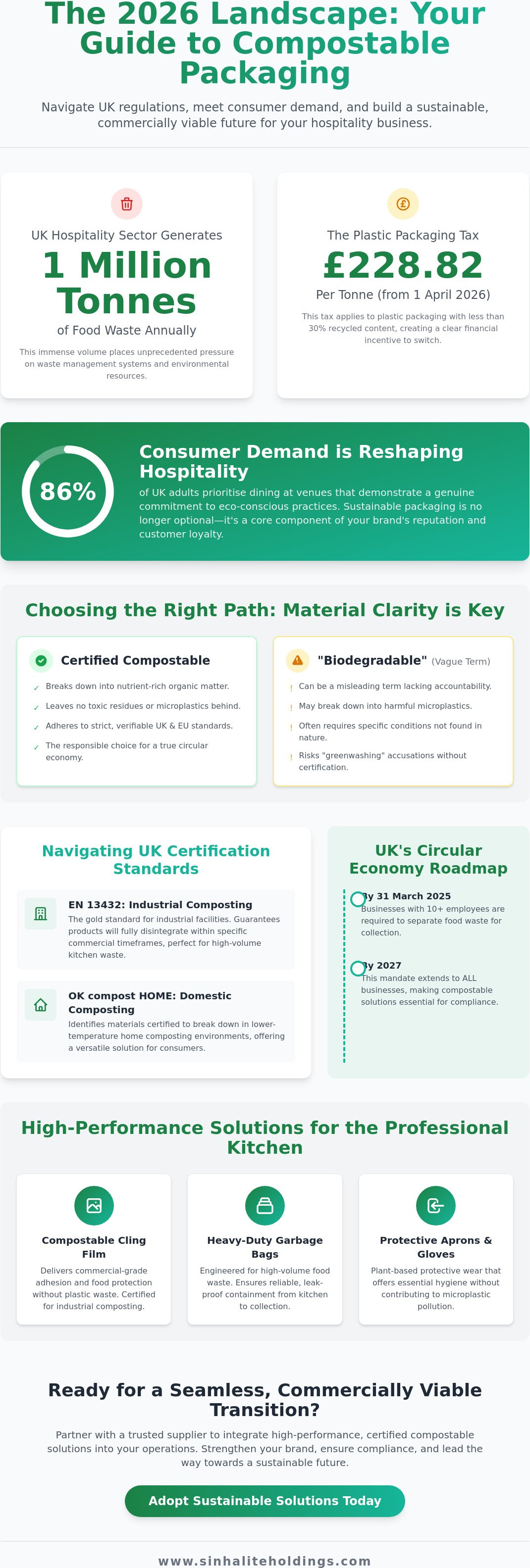
The regulatory environment for the UK hospitality sector has reached a pivotal turning point. As of April 1, 2026, the UK Plastic Packaging Tax (PPT) rate is £228.82 per tonne, a significant financial lever designed to accelerate the move away from virgin plastics. This tax applies to any packaging containing less than 30% recycled content, including many conventional plastic films and bags. For hospitality operators, the choice is clear: absorb rising costs or transition to high-performance compostable solutions that align with both fiscal responsibility and ecological integrity.
Understanding the technical definition of certified compostable materials is the first step toward operational excellence. Truly compostable packaging for hospitality industry uk operations must break down into nutrient-rich organic matter without leaving behind toxic residues or microplastics. This is a sharp contrast to the vague and often misleading term "biodegradable" which lacks rigorous accountability. This commitment to transparency is essential for adhering to sustainable packaging principles. Consumer expectations have also shifted dramatically. Research indicates that 86% of UK adults now prioritise dining at venues that demonstrate a genuine commitment to eco-conscious practices, making sustainable packaging a core component of brand reputation.
To clarify the technical differences between these materials, watch this helpful comparison:
Navigating UK Certifications: EN 13432 and OK compost HOME
The EN 13432 standard is the recognised gold standard for industrial composting in the UK. It guarantees that products, such as heavy-duty compostable garbage bags, will fully disintegrate within a commercial facility's specific timeframe. While industrial composting handles high volumes of kitchen waste, OK compost HOME certifications identify materials that can break down in lower-temperature domestic environments. TUV Austria certification serves as a critical trust signal for UK procurement by verifying that these rigorous standards are independently met.
Aligning with 2026 ESG and Circular Economy Goals
Adopting compostable packaging for hospitality industry uk businesses is a primary driver for achieving circular economy goals. By March 31, 2025, legislation already required businesses with 10 or more employees to separate food waste, a mandate that extends to all businesses by 2027. Using compostable caddy bags allows for the seamless diversion of food-contaminated waste from landfills into organic processing streams. This proactive approach doesn't just reduce waste; it strengthens a business's green credentials for local councils and investors who value long-term environmental stewardship.
Commercial Roundup: Essential Compostable Solutions for Hospitality Operations
While front-of-house items like cups and plates often get the spotlight, the real operational heavy lifting happens in the kitchen. True efficiency requires a suite of tools that perform under pressure without compromising your environmental goals. Integrating compostable packaging for hospitality industry uk back-of-house ensures that every part of your operation contributes to a circular waste system. This transition isn't just about ethics; it's about maintaining high standards of utility and strength in a professional setting.
Back-of-House Heroes: Clingfilm and Protective Wear
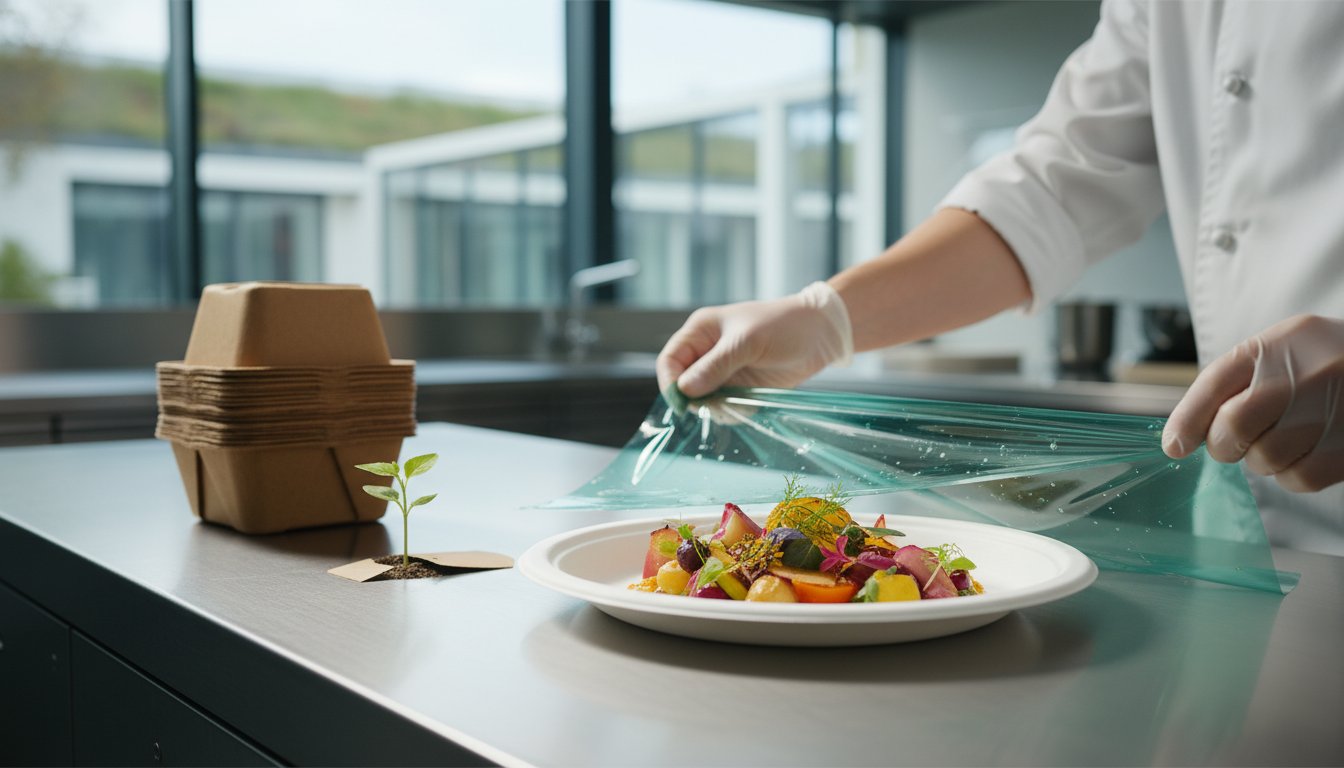
Professional chefs often worry that eco-friendly wraps lack the necessary "cling" for high-volume prep. Modern innovation has solved this. Choosing a commercial compostable cling film UK certified solution provides the stretch and seal needed for food safety while remaining fully industrial compostable. These films offer excellent heat resistance for various kitchen applications. Similarly, plant-based aprons and gloves offer essential protection without adding to the microplastic crisis. These items integrate seamlessly into organic waste collections. This means staff don't have to spend precious time stripping off plastic gear before disposing of food scraps. It creates a more fluid, efficient kitchen environment.
Waste Management: Sacks and Caddy Liners
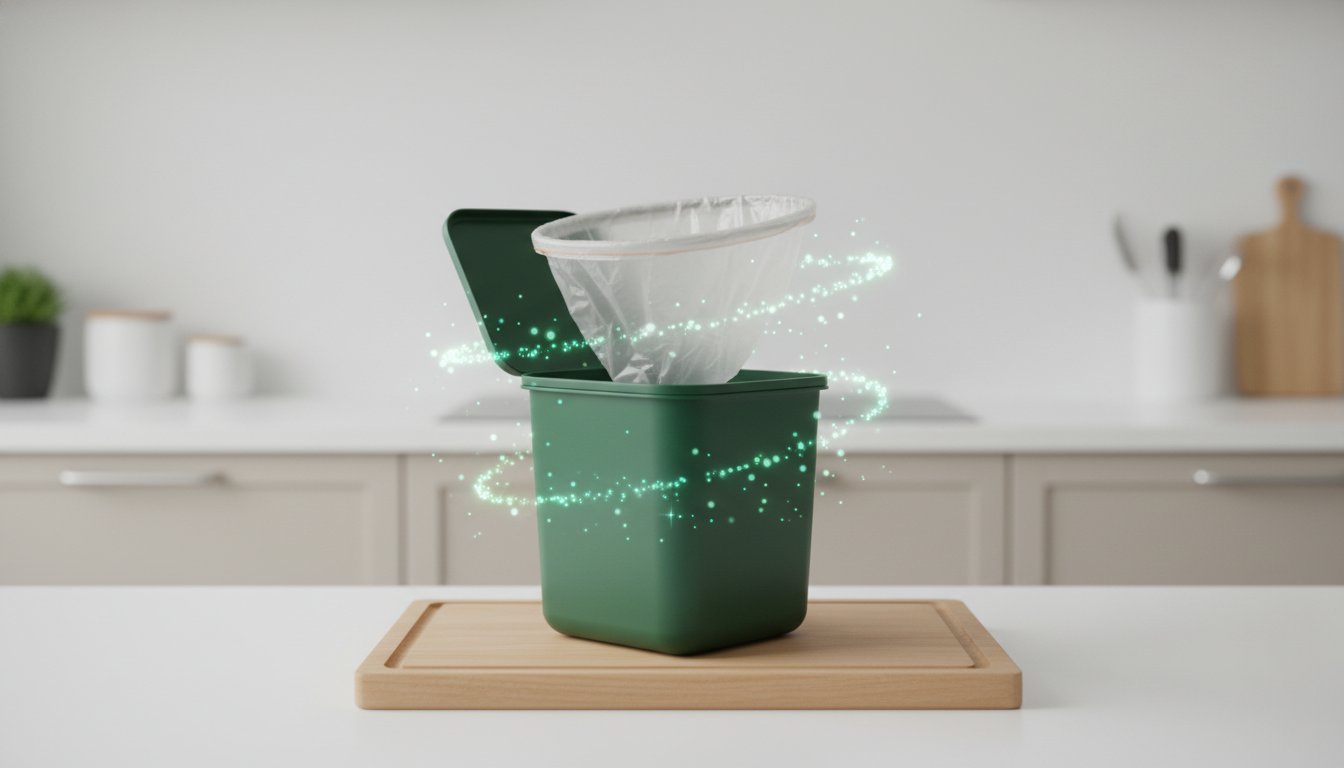
Managing food waste effectively is as much about hygiene as it is about sustainability. Utilizing how to keep a food waste bin from smelling techniques involves using breathable compostable caddy bags. These liners allow moisture to evaporate. This keeps the waste cooler and slows down the decomposition that causes unpleasant odours. For larger volumes, puncture-resistant compostable garbage bags are vital. They are specifically engineered to hold heavy, wet organic waste without the risk of leaks or splits. This ensures your back-of-house area remains clean and compliant with the latest UK recycling mandates. Adopting these compostable packaging for hospitality industry uk solutions ensures your business is ready for the future today.
Operational Excellence: Implementing Sustainable Packaging Successfully
Achieving operational excellence requires more than just replacing one material with another. It involves a holistic shift in how your team handles waste and interacts with suppliers. When you choose compostable packaging for hospitality industry uk, you're investing in a system that values both performance and environmental stewardship. Successful implementation depends on ensuring that these new materials meet the high-pressure demands of a commercial kitchen without causing delays or disruptions. This transition is most effective when it's treated as a strategic upgrade rather than a mere compliance exercise.
Overcoming the Performance Objection
Many operators hesitate to switch because they fear bioplastics lack the structural integrity of traditional polymers. However, modern manufacturing techniques have created compostable garbage bags and caddy liners that offer superior puncture resistance and tensile strength. Understanding whether do compostable bags contain plastic is essential for providing transparent answers to inquisitive customers; you can confidently explain that these are plant-based polymers designed to return to the earth. This clarity builds trust and reinforces your brand's integrity while ensuring your kitchen remains efficient and leak-free.
Efficiency is also driven by staff engagement. Clear waste segregation protocols ensure that your compostable investments reach the correct organic processing streams rather than being lost to general waste. This diligence pays dividends in your brand reputation. Marketing your plastic-free operations to eco-conscious patrons transforms a regulatory requirement into a competitive advantage. Partnering with a visionary provider like Sinhalite Holdings ensures you have access to scalable, mission-driven solutions. Our range of compostable shopping bags and food roller bags are ready for immediate use across your entire operation, providing a seamless bridge between modern innovation and natural processes.
The Future of Sustainable Hospitality in the UK
As we look toward the end of the decade, the financial argument for sustainable transitions becomes even more compelling. Rising plastic taxes and the scaling of compostable production will continue to shift the balance of commercial viability in favour of eco-friendly alternatives. By adopting compostable packaging for hospitality industry uk today, your business takes a leadership role in the transition toward a cleaner, greener future. This proactive stance secures your place as a responsible innovator in a market that increasingly rewards environmental integrity and systemic change.
Leading the Transition to a Plastic-Free Future
The transition toward a circular economy in the UK hospitality sector is both a moral imperative and a strategic commercial move. We've explored how 2026 regulations necessitate a shift from traditional single-use items to high-performance, certified alternatives. By integrating durable solutions like compostable garbage bags and caddy liners into your back-of-house operations, you can maintain kitchen efficiency while significantly reducing your environmental footprint. This proactive approach ensures your business remains compliant, resilient, and commercially viable.
Adopting compostable packaging for hospitality industry uk standards ensures your brand remains aligned with evolving consumer expectations and strict environmental mandates. Sinhalite Holdings stands as a visionary partner for sustainable business transitions, acting as a specialist UK supplier of EN 13432 certified products. We offer high-performance alternatives to traditional single-use plastics that empower your team to operate with confidence and purpose. Explore Sinhalite Holdings’ range of commercial compostable solutions and take the next step toward operational integrity. Positive change is within reach; it starts with a single, responsible choice.
Frequently Asked Questions
Is compostable packaging more expensive for UK hospitality businesses?
While the initial unit cost of compostable alternatives can be higher than virgin plastic, the financial gap is narrowing due to the 2026 Plastic Packaging Tax rate of £228.82 per tonne. By adopting compostable packaging for hospitality industry uk operations, businesses avoid these rising taxes while meeting the demands of the 86% of UK adults who prioritise eco-conscious venues. It's a strategic investment that balances regulatory compliance with long-term brand loyalty.
Can compostable clingfilm be used in microwaves and freezers?
Yes, high-performance compostable clingfilm is specifically engineered to withstand a wide temperature range, making it safe for both freezer storage and microwave use. It maintains the necessary "cling-factor" to ensure food safety and prevent freezer burn in professional kitchen environments. Operators should always verify the technical specifications of their wrap to ensure it meets the specific heat resistance required for their culinary applications.
How do I ensure my compostable waste is actually being composted in the UK?
To guarantee successful processing, you must use products certified to the EN 13432 standard and partner with a waste contractor that provides industrial composting or food waste collections. Since March 2025, most UK businesses have been legally required to separate food waste, which has improved the infrastructure for organic processing. Using certified compostable caddy bags makes it easier for waste handlers to identify and process your organic streams correctly.
Are compostable aprons as hygienic as traditional plastic ones?
Compostable aprons offer the same level of fluid resistance and splash protection as conventional plastic while maintaining rigorous hygiene standards for food preparation. These plant-based alternatives are designed for single-use protection and can be disposed of directly into organic waste bins along with food scraps. This ensures your compostable packaging for hospitality industry uk strategy covers both food safety and environmental integrity without compromise.