By 2026, the era of choosing between environmental integrity and industrial strength has officially ended. You likely feel the mounting pressure of the UK's shifting regulatory landscape, especially as modulated fees for Extended Producer Responsibility (EPR) take effect this April. It's common to feel frustrated by the blurred lines between bio-based and truly biodegradable materials, or to worry if eco-friendly alternatives can match the durability of traditional plastics. Understanding the latest innovations in bioplastic technology 2026 is now essential for any business that values both performance and planetary stewardship.
This article reveals how breakthrough molecular developments have created a new generation of compostable materials that outperform their predecessors in strength and barrier protection. You'll gain a clear perspective on the 2026 material trends that allow you to confidently select high-performance solutions for everything from household clingfilm to commercial caddy bags. We also examine how these advancements help you avoid the 20% surcharge on Red-rated packaging while meeting the strict requirements of the September 2026 green claims directive. By aligning your operations with these scientific milestones, you can ensure your packaging remains both legally compliant and exceptionally reliable.
Key Takeaways
- Identify the critical differences between bio-based and compostable materials to ensure your packaging strategy aligns with 2026 waste-based feedstock standards.
- Explore how innovations in bioplastic technology 2026, specifically the adoption of PHA, are establishing new benchmarks for marine degradability and material strength.
- Resolve performance concerns by understanding the molecular branching techniques that enhance the durability and "cling" factor of compostable films and bags.
- Navigate the complexities of the UK Plastic Packaging Tax and learn why specific certifications like OK compost HOME are vital for verifying genuine sustainability.
- Discover how to implement PFAS-free and GMO-free compostable solutions that support a circular economy while maintaining high standards of industrial performance.
The Landscape of Bioplastic Technology in 2026
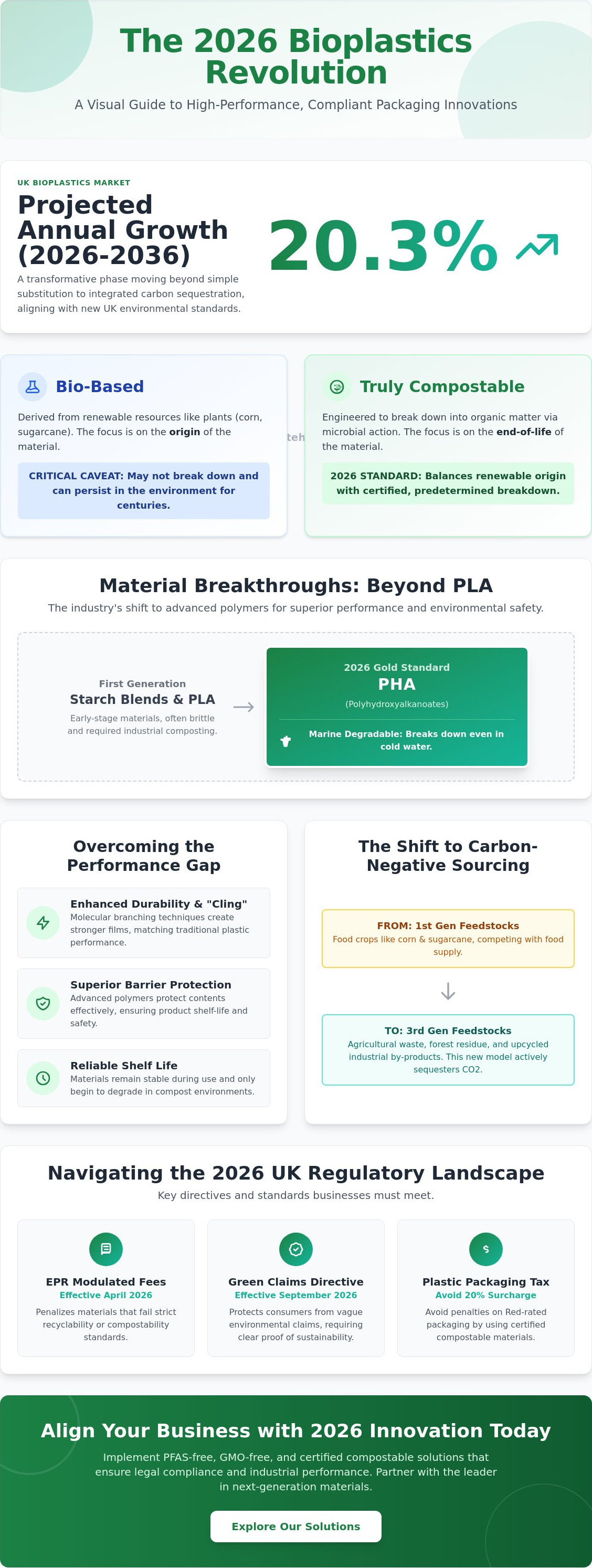
The UK bioplastics market has entered a transformative phase in 2026, with a forecast growth rate of 20.3% between 2026 and 2036. This expansion represents a fundamental change in how we perceive material lifecycles. Recent innovations in bioplastic technology 2026 have moved beyond simple substitution to a model where carbon sequestration is integrated into the manufacturing process. By using polymers that capture CO2 during production, manufacturers are turning packaging into a tool for environmental restoration rather than just a waste management challenge. This systemic shift is essential for businesses aiming to align with the UK's April 2026 Extended Producer Responsibility (EPR) requirements, which now penalise materials that fail to meet strict recyclability or compostability standards.
To better understand how biological processes are being harnessed to transform our approach to waste, watch this insightful presentation:
Distinguishing Bio-based from Truly Biodegradable Materials
Confusion often persists regarding the technical difference between bio-based and biodegradable products. In 2026, the industry has clarified these standards to protect consumers from vague environmental claims, especially following the September 2026 directive on green transitions. A bio-based material is simply derived from renewable resources, such as plants, but it may still possess a molecular structure that persists in the environment for centuries. Conversely, truly biodegradable materials are designed to break down into organic matter through microbial action. For a foundational Bioplastic technology overview, it's helpful to see how molecular engineering now ensures that a product's end-of-life is predetermined at the point of creation. 2026 bioplastics are materials that balance renewable origin with certified compostability.
The Shift Toward Carbon-Negative Feedstock Sourcing
The most significant shift in 2026 involves the transition from first-generation feedstocks, like corn or sugarcane, to third-generation sources. This move prioritizes agricultural waste and upcycled industrial by-products over food crops; this significantly reduces the land-use footprint of bioplastic production. By utilizing "waste" that would otherwise emit methane in landfills, these innovations in bioplastic technology 2026 create a circular system that captures carbon. High-quality packaging is now being produced from CO2-capture polymers and forest residues. These materials offer the same high standards of utility and strength as traditional plastics without the ecological cost. This focus on "upcycled" sourcing ensures that the transition to sustainable packaging supports global food security while providing the industrial performance businesses require.
Material Breakthroughs: Beyond PLA and Traditional Starch Blends
By 2026, the industry has moved significantly beyond the first-generation starch blends that once dominated the market. While Polylactic Acid (PLA) remains a staple, the most significant innovations in bioplastic technology 2026 involve the industrial scaling of Polyhydroxyalkanoates (PHA). This material has emerged as the gold standard for marine degradability because it can break down effectively in cold-water environments. Unlike earlier alternatives that required industrial composting facilities, PHA offers a versatile end-of-life solution that addresses the persistent challenge of marine plastic pollution. Recent discussions regarding the latest technological developments in bioplastics highlight how bacterial fermentation processes are now "growing" these polymers at a scale that is becoming cost-competitive with traditional polyethylene.
PHA and the Solution to Marine Plastic Pollution
The brilliance of PHA lies in its biological origin. Bacteria consume carbon-rich feedstocks, such as agricultural waste or captured CO2, and store energy as intracellular granules of plastic. This natural process ensures that when the material returns to the environment, it's recognized as a food source by microbes. In the UK, where coastal protection is a high priority, adopting PHA-based materials provides a proactive way to reduce microplastic accumulation in our waters. As production facilities expand across Europe, we're seeing these polymers used in everything from food roller bags to specialized agricultural films. This scalability is crucial for businesses that want to transition away from fossil-fuel-based plastics without sacrificing the high standards of utility and strength they've come to expect.
Seaweed and Mycelium: The New Frontiers of Packaging
Beyond bacteria, 2026 has introduced seaweed and mycelium as viable industrial feedstocks. Seaweed is a remarkably renewable resource. It requires no fresh water, land, or fertiliser to grow, making it one of the most sustainable options available for the UK market. Seaweed-derived coatings are now providing the grease-resistant barriers needed for food packaging, effectively replacing harmful PFAS chemicals. Meanwhile, fungal-based mycelium polymers are revolutionising rigid packaging. By growing mycelium into specific shapes, manufacturers can create structural foams and protective "leather" that are entirely home-compostable. These organic textures are increasingly found in premium consumer goods, offering a tactile reminder of a brand's commitment to environmental stewardship. These innovations in bioplastic technology 2026 also extend to the home; for instance, advancements in PBAT blends have finally perfected the flexibility required for compostable household clingfilm, ensuring eco-friendly options perform just as well as their plastic predecessors.
Overcoming the Performance Gap: Strength, Barrier, and Shelf-Life
For many years, the primary barrier to adopting sustainable packaging was a perceived lack of durability. Businesses and consumers alike often worried that compostable materials were inherently flimsy or prone to premature failure. However, one of the most critical innovations in bioplastic technology 2026 is the refinement of molecular structures to meet industrial-grade performance standards. We've moved past the era of "compromise" materials. Today's biopolymers are engineered to provide the same tactile reliability as traditional plastics while ensuring a responsible end-of-life. This shift is particularly evident in thermal stability; 2026 bioplastics can now withstand the rigorous temperature fluctuations of microwave heating and deep-freezer storage without losing their structural integrity.
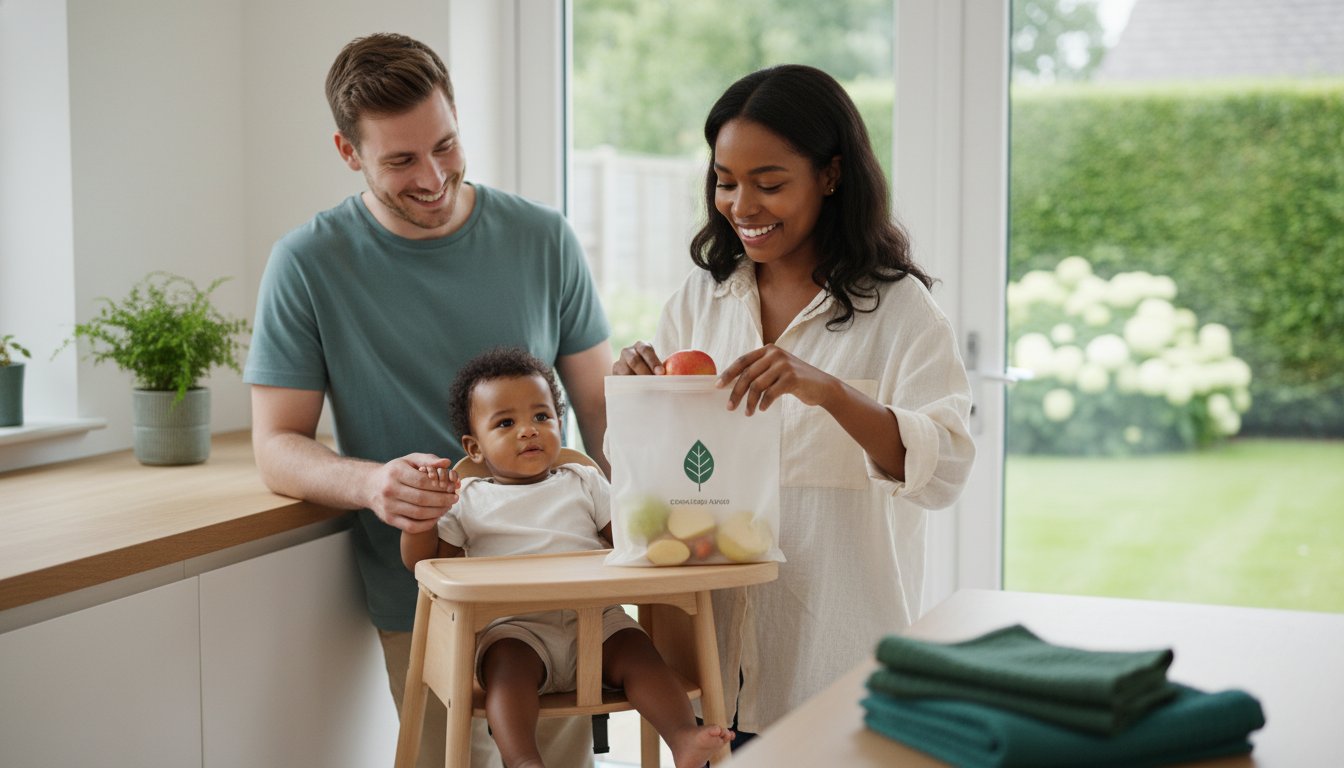
A significant breakthrough has also occurred in the production of flexible films. In the past, compostable alternatives struggled with the "cling" factor essential for food preservation. By utilizing advanced molecular branching techniques, manufacturers have created films that mimic the electrostatic properties of traditional PVC. This ensures that products like compostable household clingfilm provide an airtight seal that keeps food fresh. These developments aren't just about matching plastic; they're about exceeding it in specialized applications where breathability and moisture control are vital for preventing spoilage.
Enhanced Oxygen Barriers and Food Preservation
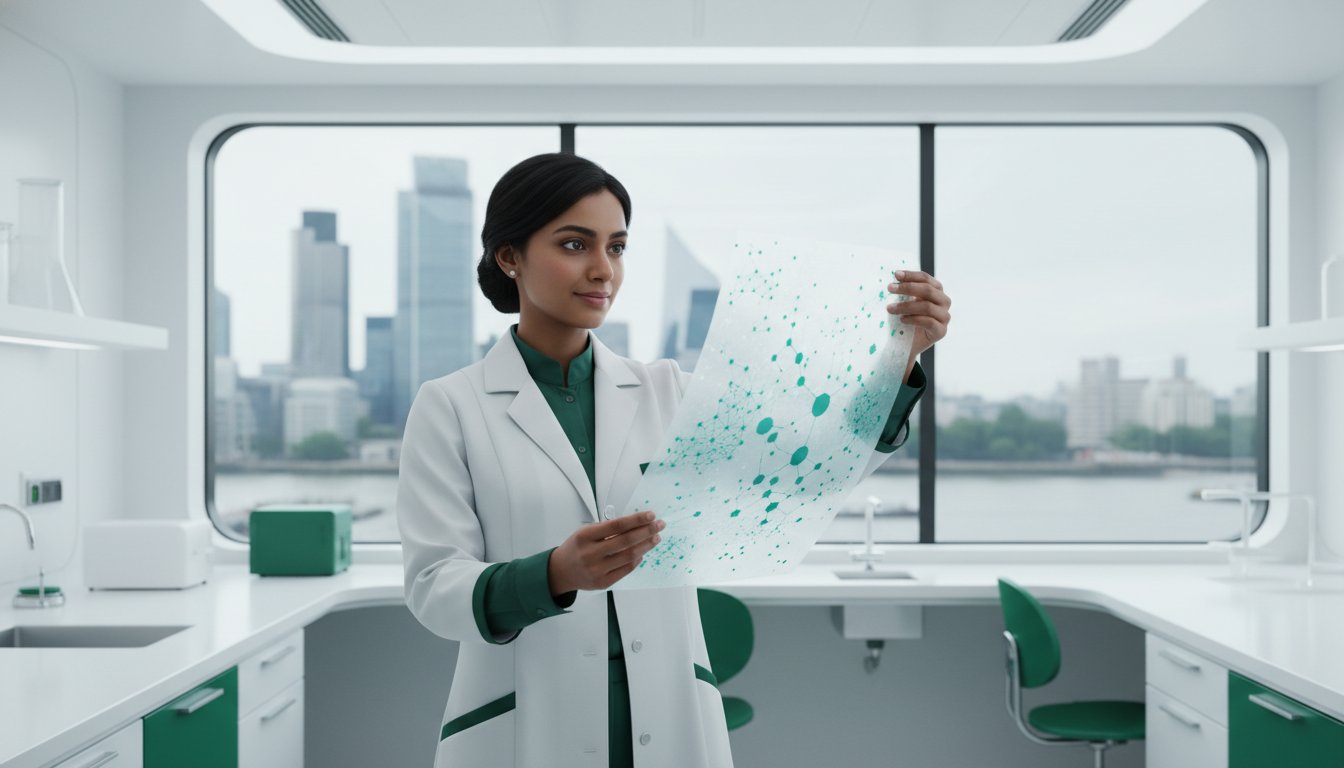
Preserving the shelf-life of perishable goods is a cornerstone of reducing the UK's food waste. 2026 bioplastics now integrate cellulose nanocrystals to create a labyrinthine path for gas molecules, effectively blocking oxygen from reaching the food. This nanotechnology-enhanced barrier often outperforms traditional plastic wraps in extending the freshness of produce. For those seeking a deeper scientific understanding, a comprehensive review of bioplastic innovations details how these matrices are now being fortified with natural antimicrobial additives. These integrated agents, derived from plant essential oils, actively inhibit bacterial growth within the packaging. Consequently, the shelf-life of fresh produce in these compostable wraps is frequently longer than in fossil-fuel-based alternatives.
Tensile Strength Innovations in Waste Management
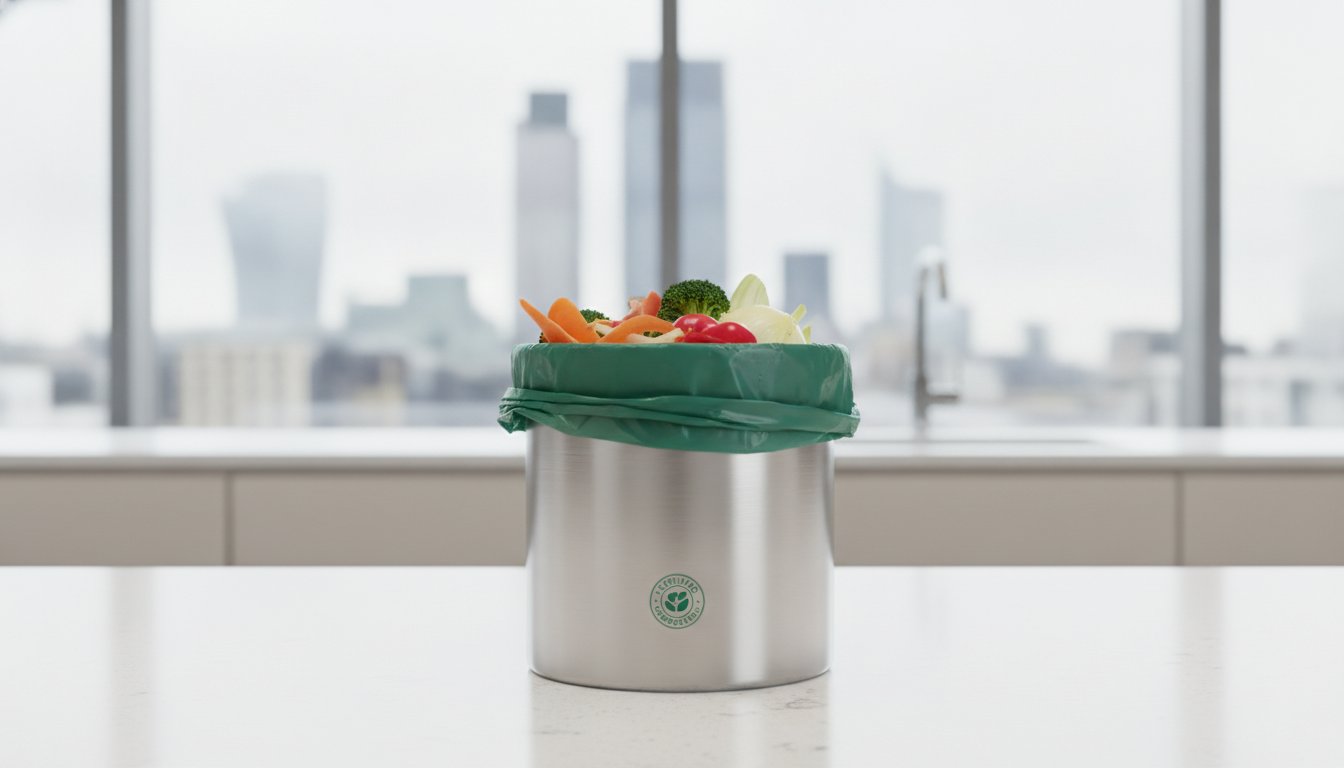
The demand for heavy-duty performance is most acute in waste management. To address this, the industry has pioneered "Stop the Split" technology through multi-layer extrusion in compostable bin liners and garbage bags. By layering different biopolymers, manufacturers can isolate the puncture-resistant properties of one material with the elastic strength of another. It's now scientifically documented that advanced PBAT and starch co-polymers achieve 30% higher tear strength than 2021 versions. This ensures that heavy-duty commercial sacks and compostable caddy bags can handle substantial weight and sharp edges without the risk of failure. These innovations in bioplastic technology 2026 provide businesses with the confidence to transition their operations toward circular models without fearing a loss in utility or hygiene standards.
Integration into the UK Circular Economy and Regulatory Standards
The successful transition to sustainable packaging depends on aligning advanced material science with the UK's evolving legal framework. By 2026, the regulatory environment has become a primary driver for industrial change, moving beyond voluntary commitments to mandatory compliance. Innovations in bioplastic technology 2026 provide the necessary tools for businesses to meet the UK’s ambitious goal of eliminating avoidable waste. This alignment is not merely a matter of environmental ethics; it's a strategic necessity for maintaining market access and avoiding the financial penalties associated with non-recyclable or persistent materials. As the UK refines its circular economy model, the focus has shifted toward ensuring that every piece of packaging has a verified, low-impact end-of-life pathway.
Infrastructure remains a critical component of this loop. While the UK continues to invest in industrial composting, there is a clear distinction between materials that require high-heat processing and those that break down in natural environments. This is why 2026 innovations prioritize home-compostable solutions that empower consumers to manage waste within their own gardens. By reducing the burden on municipal waste streams, these materials help close the loop more efficiently than traditional recycling ever could.
Understanding OK compost HOME and Global Standards
In 2026, consumer demand has shifted decisively toward home-compostability. Shoppers are increasingly skeptical of "industrial only" claims, preferring materials they can personally verify as biodegradable. The TUV Austria "OK compost HOME" certification has become the essential benchmark for trust in the UK market. This rigorous testing ensures that a product will fully decompose in a garden compost heap within 12 months at ambient temperatures. For those concerned about the composition of these materials, it is helpful to explore Do Compostable Bags Contain Plastic? The Essential Guide to Bioplastics to understand how modern polymers achieve these standards. These certifications provide the transparency required by the September 2026 green claims directive, protecting businesses from allegations of greenwashing.
The Impact of the UK Plastic Packaging Tax on Innovation
Fiscal policy is now a major catalyst for material innovation. The UK Plastic Packaging Tax continues to influence procurement strategies by providing clear incentives for bio-based alternatives. Businesses that switch to 100% compostable solutions can often benefit from exemptions or reduced liabilities, especially when their packaging aligns with the new RAG (Red, Amber, Green) rating system introduced in April 2026. Under this system, packaging rated as "Red" due to low recyclability faces a 20% surcharge. Transitioning to certified compostable materials allows companies to move into the "Green" category, securing their financial stability against future legislative shifts in 2027. To ensure your business remains compliant and cost-effective, you can browse our range of tax-compliant compostable bags to find high-performance solutions that meet these new UK standards.
Sinhalite Holdings: Delivering 2026 Innovation Today
Sinhalite Holdings operates at the intersection of advanced material science and environmental stewardship. We don't view sustainability as a secondary feature; instead, it's the core of our industrial philosophy. By integrating the most significant innovations in bioplastic technology 2026, we've developed a product range that meets the rigorous demands of modern British commerce. Our approach combines the rapid degradability of PHA with the structural versatility of starch blends. This ensures that every item, from our compostable caddy bags to our heavy-duty garbage bags, delivers the performance you expect without the ecological burden of traditional plastics. We focus on "performance-first" sustainability because we believe that eco-friendly solutions must be superior to their fossil-fuel counterparts to achieve widespread adoption.
Our commitment to excellence extends beyond the laboratory to the practical needs of the UK market. We understand that businesses need reliable partners who can provide consistent supply and clear evidence of compliance. By aligning our manufacturing with the latest UK environmental goals, we help our clients stay ahead of regulatory shifts. Our visionary approach is grounded in industrial pragmatism, ensuring that the transition to responsible packaging is both achievable and advantageous for your bottom line.
Scaling Compostable Clingfilm for Diverse Applications
Our commitment to usability is best demonstrated in our focus on the "cling" factor. We understand that a compostable film is only effective if it maintains an airtight seal and adheres properly to various surfaces. By applying a Red Dot-level focus on design and molecular engineering, we've perfected a film that matches the utility of traditional PVC. You can explore the technical details and application tips in The Ultimate Guide to Compostable Clingfilm in the UK: 2026 Edition. Beyond performance, we prioritize supply chain reliability. We ensure that UK businesses and households have consistent access to high-quality compostable shopping bags and food roller bags, helping you stay ahead of regulatory deadlines like the April 2026 EPR data submission.
A Future Without PFAS: Our Safety Commitment
Safety is a non-negotiable pillar of our manufacturing process. As we move through 2026, the imperative for PFAS-free materials in food-contact packaging has never been more urgent. These "forever chemicals" have no place in a truly circular economy, which is why Sinhalite Holdings guarantees that our entire range is both PFAS-free and GMO-free. Our production methods utilize natural processes to achieve grease resistance and moisture barriers, ensuring that your food remains safe and your environmental footprint remains clean. We invite you to partner with us as we implement these innovations in bioplastic technology 2026 to create a plastic-free future. Whether you need reliable compostable shopping bags for retail or robust caddy bags for waste management, we provide the tangible tools required for a successful green transition. Together, we can align your operations with the highest ethical and industrial standards of the decade.
Embracing the New Standard for Sustainable Packaging
The shift toward advanced biopolymers represents a fundamental move toward industrial responsibility. We've explored how the performance gap has vanished, with molecular engineering now delivering the strength and barrier properties once reserved for traditional plastics. These innovations in bioplastic technology 2026 ensure that your transition to circular packaging is both legally compliant and operationally sound. By adopting materials that meet the latest UK regulatory standards, you can avoid the 20% surcharge on Red-rated packaging while demonstrating a clear commitment to environmental stewardship. This proactive approach turns a regulatory necessity into a distinct competitive advantage.
Sinhalite Holdings is dedicated to providing these high-performance tools for your home and business. Our products carry the TUV Austria OK compost HOME certification and are guaranteed to be PFAS-free, ensuring safety for both your family and the planet. As specialists in high-performance compostable clingfilm and durable waste solutions, we offer the reliability needed to navigate this transition with confidence. We don't believe in compromising on utility; instead, we provide the durability your operations require.
Explore our range of 2026-ready compostable packaging solutions to begin your journey toward a plastic-free future. A cleaner, more resilient world is within our reach, and we're here to help you lead the way with steady, dependable innovation.
Frequently Asked Questions
What is the most significant innovation in bioplastics for 2026?
The most significant innovations in bioplastic technology 2026 involve the shift from food-crop feedstocks to third-generation agricultural waste and CO2-capture polymers. This transition ensures that material production doesn't compete with food security. These advancements have allowed for the mass production of PHA, which offers superior environmental performance compared to earlier starch-based blends. It represents a move toward a truly circular economy where packaging actively sequesters carbon during its creation.
Are 2026 bioplastics actually marine-degradable?
Yes, specific materials like Polyhydroxyalkanoates (PHA) are engineered to be marine-degradable in cold-water environments. Unlike traditional plastics or even some first-generation bioplastics, PHA is recognized by marine microbes as a food source. This allows the material to break down naturally without leaving behind harmful microplastics. It's a vital development for protecting the UK's coastal ecosystems and meeting 2026 environmental safety standards for aquatic protection.
How do 2026 compostable bags compare to traditional plastic in strength?
Modern compostable bags now match or exceed the durability of traditional fossil-fuel plastics in most industrial applications. Advanced PBAT and starch co-polymers achieve 30% higher tear strength than versions available in 2021. This improvement ensures that heavy-duty items, such as compostable garbage bags and shopping bags, can handle significant weight and sharp edges. Multi-layer extrusion technology further prevents splitting, providing the reliability required for both commercial and domestic use.
What is the difference between bio-based and compostable in 2026?
In 2026, the distinction rests on origin versus end-of-life. Bio-based refers to materials derived from renewable resources like plants, but these can still be non-biodegradable. Compostable materials are specifically designed to break down into organic matter under defined conditions without leaving toxic residue. The September 2026 green transition directive requires businesses to be precise with these terms to avoid misleading consumers. Always look for TUV Austria certifications to verify a product's actual environmental impact.
Can 2026 bioplastics be recycled with traditional plastics?
No, bioplastics shouldn't be placed in traditional plastic recycling bins because they can contaminate the recycling stream. Most 2026 compostable solutions are designed for industrial or home composting systems. Mixing these materials with fossil-fuel plastics like PET or HDPE reduces the quality of the resulting recyclate. Proper disposal in a dedicated organic waste bin ensures the material returns to the earth as nutrient-rich compost, effectively supporting a circular loop.
Are there harmful chemicals like PFAS in modern compostable plastics?
Modern compostable plastics, particularly those following 2026 safety standards, are produced without harmful "forever chemicals" like PFAS. Manufacturers now use natural plant-based coatings and molecular engineering to achieve grease and moisture resistance. This shift is essential for food-contact materials like compostable household clingfilm and food roller bags. Choosing certified PFAS-free products ensures that no toxic residues are left behind in the soil after the composting process is complete.
How does the UK Plastic Packaging Tax affect bioplastic adoption in 2026?
The UK Plastic Packaging Tax incentivizes the adoption of compostable materials by applying higher fees to non-recyclable plastics. From April 2026, the new RAG rating system introduces a 20% surcharge on "Red-rated" packaging with low recyclability. Switching to 100% compostable solutions allows businesses to move into the "Green" category. This financial incentive makes the transition to sustainable packaging a strategic fiscal choice rather than just an environmental one for UK companies.
Will bioplastic clingfilm stick as well as traditional PVC film?
Yes, advancements in molecular branching have allowed compostable clingfilm to mimic the electrostatic "cling" of traditional PVC. This innovation ensures that the film sticks effectively to containers and food items, providing a reliable airtight seal. It prevents food spoilage just as effectively as fossil-fuel alternatives while being fully home-compostable. This development addresses one of the primary historical complaints about eco-friendly films, making them a viable high-performance replacement in any professional or domestic kitchen.