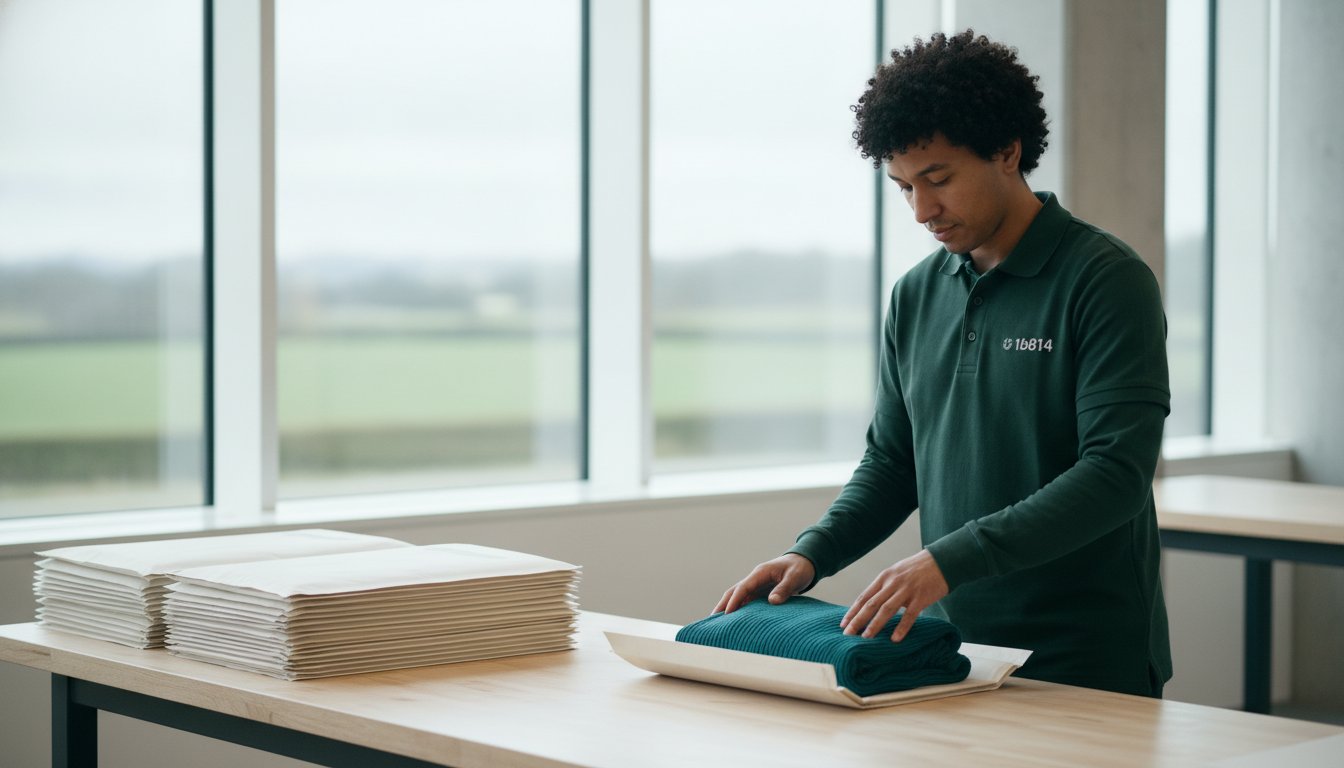

Could the very tool you rely on for food safety be the biggest obstacle to your organisation's environmental goals? For years, the move toward compostable cling film for commercial kitchens was hindered by products that simply didn't stick, tear correctly, or withstand the heat of a busy service. It's understandable why many professionals hesitated to make the switch when the standards for food preservation and hygiene are so exacting.
We recognise that operational reliability is non-negotiable in a high-volume environment. This guide demonstrates how you can finally transition to plastic-free storage that matches the durability and cling of traditional wraps while ensuring full compliance with 2026 environmental regulations. We'll examine the technical performance of modern plant-based films, clarify the differences between industrial and home composting requirements, and show you how to source bulk solutions that support a circular economy without slowing down your kitchen's pace.
Key Takeaways
- Understand how advanced PBAT and PLA blends provide the essential elasticity and temperature resistance required for professional food storage.
- Learn how to select the optimal thickness and roll dimensions of compostable cling film for commercial kitchens to maintain durability without compromising cost-efficiency.
- Ensure seamless integration into your current service by matching plant-based alternatives with industry-standard 300mm and 450mm dispensers.
- Discover practical strategies for implementing closed-loop waste systems that successfully divert used wrap into industrial composting streams alongside food waste.
- Align your operations with 2026 UK environmental regulations by adopting high-performance, plastic-free solutions that support long-term ESG commitments.
Performance Standards: Does Compostable Cling Film Meet Commercial Demands?
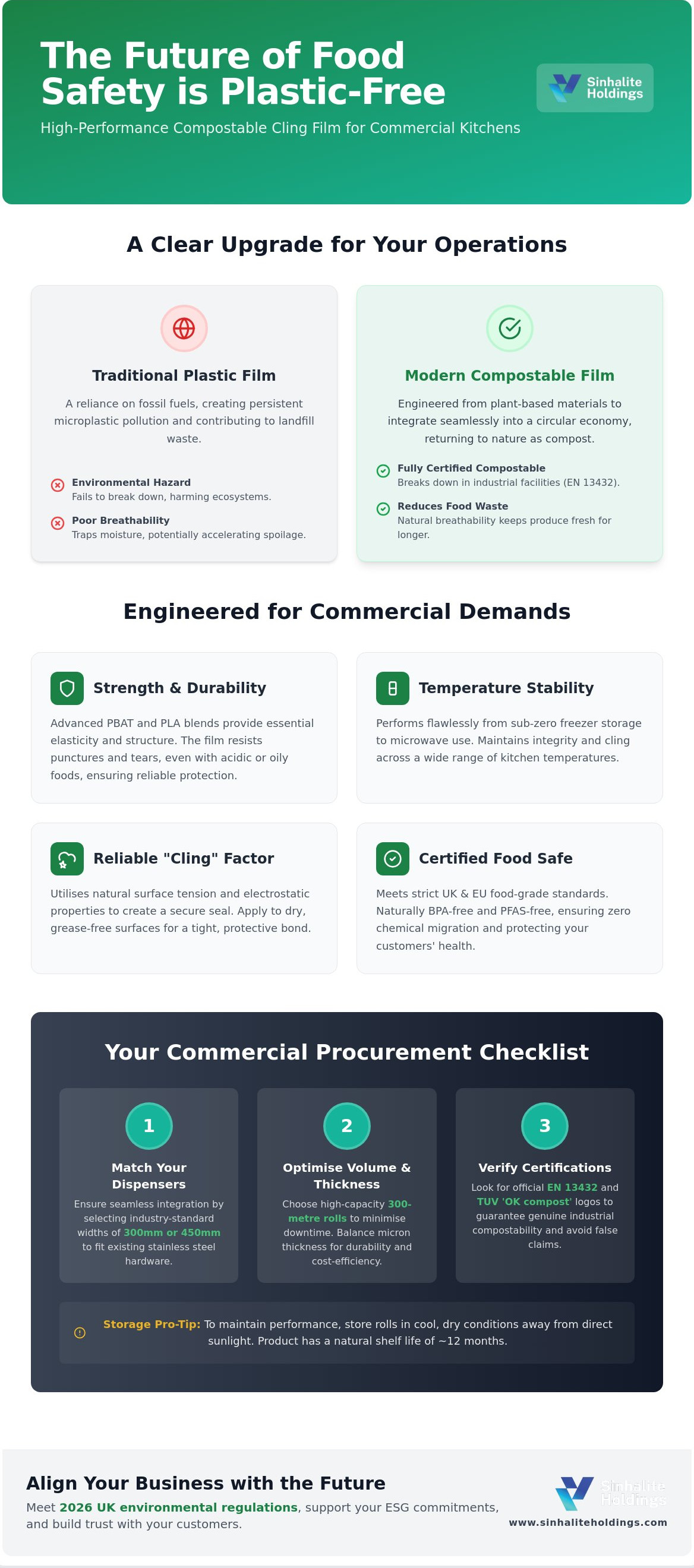
The shift toward sustainable operations often raises valid questions about whether plant-based materials can withstand the rigours of a professional environment. Modern compostable cling film for commercial kitchens is engineered using a sophisticated blend of PBAT for elasticity and bioplastics like PLA for structural integrity. This specific combination ensures the film possesses the tensile strength required for high-speed service while remaining entirely biodegradable. Unlike early iterations of bio-based wraps, today's commercial-grade films offer superior resistance to punctures and tears, even when in direct contact with acidic dressings or oily marinades.
Temperature stability is a critical benchmark for any kitchen. These films are designed to remain stable in sub-zero freezer storage and are safe for microwave use, provided they don't come into direct contact with high-fat foods at peak heat. Oxygen Transmission Rate (OTR) is the measured speed at which oxygen gas passes through the film, allowing fresh produce to breathe and stay crisp for longer than traditional non-porous polyethylene film. This natural breathability is a functional advantage that directly reduces food waste.
The "Cling" Factor: Myths vs. Reality
Many chefs worry that removing traditional plasticisers will result in a wrap that doesn't stick. However, high-quality plant-based wraps rely on natural surface tension and electrostatic properties to create a secure seal. To maximise integrity, ensure your stainless steel gastronorms or ceramic bowls are dry and free of grease before application. This simple step allows the compostable cling film for commercial kitchens to form a tight, airtight bond that protects food quality during transit or storage.
Safety and Compliance for UK Kitchens
Choosing a responsible alternative shouldn't mean compromising on food safety. These products carry strict food-grade certifications, ensuring zero chemical migration into ingredients. Because they're naturally BPA-free and PFAS-free, they meet the rising consumer demand for "clean" packaging. Transitioning to these films isn't just a regulatory move; it's a commitment to health and transparency that builds trust with your diners while supporting a circular economy.
Selection Criteria: Choosing the Right Compostable Wrap for Your Business
Selecting the correct compostable cling film for commercial kitchens requires more than just an environmental commitment; it demands a strategic look at operational fit. While retail markets often provide 30-metre rolls with integrated cardboard cutters, these are insufficient for the pace of a professional prep station. To maintain efficiency, commercial rolls must adhere to industry-standard widths of 300mm or 450mm. This ensures they are fully compatible with existing stainless steel dispensers, allowing for a seamless transition without the need for additional hardware investment.
Beyond dimensions, the micron thickness plays a vital role in balancing durability with cost-efficiency. A thicker film provides better puncture resistance for heavy-duty storage, yet choosing the right gauge ensures you aren't paying for excess material. When evaluating suppliers, it's essential to distinguish between vague "biodegradable" claims and the EN 13432 standard, which guarantees the product will break down safely in industrial facilities. A thorough cost-in-use analysis often reveals that while the initial purchase price may be higher, the reduction in plastic waste disposal fees creates a more favourable long-term balance for your organisation.
Bulk Procurement and Roll Sizing
High-volume kitchens benefit significantly from 300m rolls, which minimise the downtime associated with frequent roll changes. Because these films are plant-based, they have a natural shelf life of approximately 12 months. To preserve their structural integrity and cling properties, rolls should be stored in cool, dry conditions away from direct sunlight. Aligning with a specialist UK supplier ensures your inventory remains consistent and compliant with evolving environmental mandates.
Identifying Genuine Eco-Labels
Look for the TUV Austria "OK compost" logos to verify that your wrap meets stringent commercial waste standards. Understanding the nuances of these labels is easier when you have the OK compost HOME certification explained, as this allows your team to simplify back-of-house sorting and ensure the correct disposal path. This clarity is essential for maintaining the integrity of your waste streams and achieving your sustainability targets.
Implementation: Integrating Compostable Film into Your Waste Strategy
Adopting compostable cling film for commercial kitchens is a transformative step that extends beyond simple procurement. To realise the full environmental benefits, organisations must integrate these materials into a robust waste management framework. By establishing closed-loop systems, used wrap is collected alongside food waste and directed to industrial composting facilities. This process ensures that the material returns to the earth as nutrient-rich compost, directly supporting the circular economy and reducing the volume of waste sent to landfill.
Successful implementation relies on staff engagement and clear operational protocols. Kitchen teams must distinguish between plant-based films and traditional plastics to prevent bin contamination. Simple measures, such as colour-coded disposal points and focused training sessions, empower staff to become active participants in your sustainability mission. Beyond the kitchen, your "Plastic-Free" status serves as a powerful tool for brand reputation. Transparently communicating these changes to your diners demonstrates a commitment to responsible business practices that resonates with the ethical expectations of modern consumers.
For organisations looking toward long-term resilience, switching business to sustainable packaging is a vital component of 2026 ESG reporting. It provides tangible data on plastic reduction that can be shared with stakeholders, proving that your organisation is taking proactive steps to mitigate its environmental footprint.
Navigating UK Waste Regulations
The regulatory landscape in the UK increasingly penalises the use of traditional single-use plastics. By transitioning to certified compostable alternatives, businesses can avoid the costs associated with the UK Plastic Packaging Tax. Coordinating with your waste contractor for "food-plus-packaging" collections simplifies logistics. This unified approach allows food waste and cling wrap to be processed together, streamlining your back-of-house operations and potentially reducing overall disposal fees.
The Sinhalite Advantage for Commercial Partners
Sinhalite Holdings acts as a dedicated ally for businesses seeking a reliable, high-volume supply chain. We maintain national UK delivery networks and consistent stock levels to ensure your kitchen never runs short of essential supplies. Our range provides holistic solutions, allowing you to pair food storage wraps with compostable garbage bags for a total plastic-free transition. Integrating these products into your commercial compostable cling film UK strategy ensures your business remains at the forefront of sustainable innovation.
Leading the Transition to a Plastic-Free Professional Kitchen
The evolution of plant-based polymers ensures that performance and sustainability are no longer mutually exclusive. By choosing materials that offer high elasticity and thermal stability, your organisation can maintain rigorous food safety standards while actively reducing single-use plastic waste. Adopting compostable cling film for commercial kitchens is a decisive step toward regulatory compliance and operational excellence, proving that responsible choices can enhance rather than hinder kitchen efficiency.
Sinhalite Holdings supports this transition through national UK distribution for hospitality and catering, providing PFAS-free and BPA-free plant-based materials that are EN 13432 certified for both commercial and home composting. This commitment to quality ensures your team has the reliable tools needed to succeed in a circular economy. Switch to high-performance compostable cling film for your kitchen today to align your daily operations with the highest ethical and environmental standards. Together, we can build a more resilient and sustainable future for the entire industry.
Frequently Asked Questions
Is compostable cling film microwave safe for commercial use?
Yes, certified compostable cling film for commercial kitchens is safe for microwave use, provided it does not come into direct contact with high-fat foods during the heating process. The plant-based material remains stable under standard microwave temperatures. It's best used as a protective cover for bowls or containers rather than a tight wrap around greasy ingredients to maintain its structural integrity and ensure food safety.
How long does it take for commercial compostable cling film to break down?
Commercial compostable wrap typically breaks down within 180 days when processed in an industrial composting facility. Under the EN 13432 standard, at least 90% of the material must biodegrade within six months in a controlled environment. This timeframe is significantly shorter than traditional plastics, which persist for centuries. The speed of decomposition depends on the temperature, moisture, and microbial activity present in the composting stream.
Can I use compostable wrap for oily or acidic foods?
Modern plant-based films are specifically engineered to handle oily and acidic foods without degrading or leaking chemicals. The advanced polymer blends provide a robust barrier that resists the corrosive nature of citrus juices, vinegars, and fats. This makes it a practical solution for wrapping marinated meats, dressed salads, or oily prep ingredients. It ensures your food remains protected without compromising the film's durability during storage.
Will compostable cling film fit my existing Wrapmaster dispenser?
Commercial compostable rolls are designed to fit most standard catering dispensers, including 300mm and 450mm wide units. While compatibility varies by specific dispenser model, these rolls are manufactured to industry-standard dimensions to ensure they integrate easily into your existing workflow. You should verify the core diameter and roll width with your supplier to ensure a perfect fit for your specific back-of-house equipment.
How does the cost of compostable wrap compare to traditional PVC film?
The initial purchase price of compostable cling film for commercial kitchens is higher than traditional PVC, but the total cost-in-use is becoming more competitive. Industry data indicates the price gap has narrowed to an 80-120% premium as of 2025. When you factor in reduced plastic waste disposal taxes and the positive impact on your brand's ESG reporting, the investment provides a clear long-term value for responsible organisations.
Does compostable cling film prevent freezer burn as effectively as plastic?
Compostable films are highly effective at preventing freezer burn because they maintain a consistent moisture barrier in sub-zero conditions. The material's specific oxygen transmission rate allows for a balanced environment that protects the texture and flavour of frozen ingredients. This ensures that your stock remains fresh and usable for longer periods, mirroring the performance of traditional plastic while supporting your organisation's commitment to a circular economy.