With the Plastic Packaging Tax rising to £228.82 per tonne in April 2026, the financial cost of relying on traditional plastics has finally aligned with the environmental reality. You're likely feeling the pressure to adapt while fearing that sustainable alternatives won't survive the rigours of a commercial kitchen or a busy retail shelf. It's a valid concern, especially as the UK government tightens greenwashing rules through the Empowering Consumers for the Green Transition Directive this September. We believe that your transition to a circular economy requires more than just good intentions; it requires materials that perform under pressure.
This article provides a comprehensive look at the future of compostable food packaging uk, offering a strategic roadmap through the regulatory shifts and material innovations defining 2026. You'll gain a clear understanding of how to maintain compliance with the latest Extended Producer Responsibility fees while significantly reducing your organisation's carbon footprint. We will preview the practical breakthroughs in plant-based polymers and explain how your brand can thrive by adopting scalable, certified compostable solutions that protect both your products and our shared environment.
Key Takeaways
- Prepare for the 2026 Plastic Packaging Tax increase by understanding how compostable alternatives provide a strategic pathway to regulatory compliance.
- Explore how the future of compostable food packaging uk is evolving through advanced biopolymer technology and a systemic shift toward organic waste recovery.
- Protect your brand from greenwashing accusations by identifying the rigorous certifications, such as TUV Austria, required for genuine environmental stewardship.
- Discover practical, scalable ways to reduce your plastic footprint by integrating high-performance compostable clingfilm and caddy bags into your daily operations.
- Analyse the commercial return on investment that stems from aligning your business with the UK circular economy goals and consumer demand for transparency.
The 2026 Landscape: UK Regulations and the Circular Economy
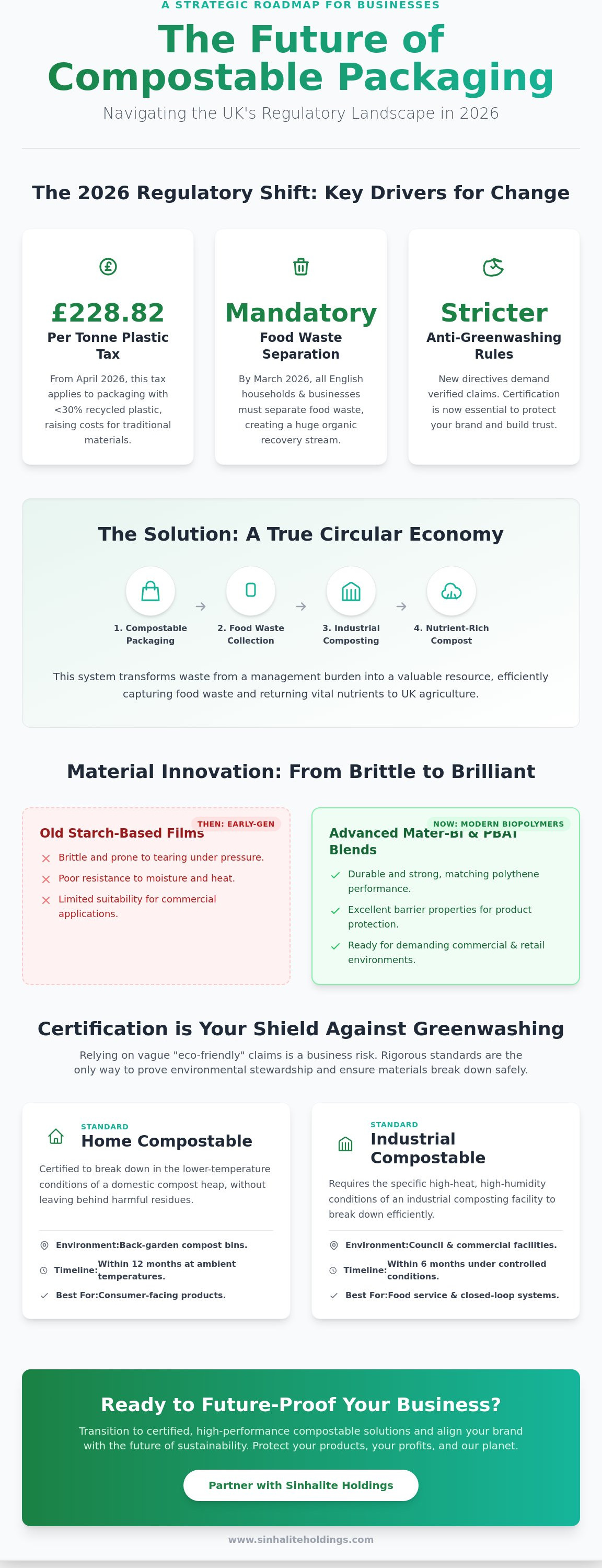
2026 marks a decisive shift in how British businesses manage their resource lifecycles. The full implementation of the "Simpler Recycling" policy by 31 March 2026 requires every household and business in England to separate food waste, creating a massive new opportunity for organic recovery. Understanding Sustainable packaging principles is now a commercial necessity rather than a choice. This alignment of infrastructure and policy defines the future of compostable food packaging uk as a primary solution for high-contamination waste streams where traditional recycling often fails.
To better understand how these solutions are being implemented across the country, watch this helpful video:
UK Plastic Packaging Tax and Policy Shifts
From 1 April 2026, the UK Plastic Packaging Tax increases to £228.82 per tonne. This levy applies to plastic packaging manufactured in or imported into the UK that doesn't contain at least 30% recycled plastic. While compostable plastics like PLA currently fall under this tax, the broader regulatory trend is moving toward rewarding materials that facilitate waste diversion. The government's stance on unnecessary plastics in hospitality and retail is clear; businesses are expected to transition toward materials that don't leave a permanent footprint. By adopting certified compostable alternatives, organisations can mitigate the long-term financial risks associated with the tightening definitions of "recyclable" packaging under the Extended Producer Responsibility (EPR) framework.
The Circular Economy Framework
A true circular economy functions as a system where packaging returns to the earth as valuable nutrients. Compostable liners and food waste bags are essential tools in this transition. They significantly increase food waste capture rates for national collection schemes by making disposal hygienic and straightforward for consumers. This efficiency is vital for the WRAP Roadmap, which has shifted its focus toward organic waste stream recovery as a priority for 2026. When packaging mimics natural processes, it transitions from a waste management burden into a resource for UK agriculture. This systemic change ensures that the future of compostable food packaging uk is rooted in practical, scalable utility that supports a cleaner, greener landscape.
Material Innovation: The Rise of Certified Compostables
The technical evolution of biopolymers has reached a critical maturity in 2026. We've moved far beyond the early days of brittle starch-based films that struggled with moisture and heat. Modern packaging now utilises sophisticated Mater-Bi blends and PBAT (polybutylene adipate terephthalate) to achieve a level of durability that was once the sole domain of traditional polythene. This shift is fundamental to the future of compostable food packaging uk, as it allows businesses to maintain operational efficiency without compromising on their environmental stewardship.
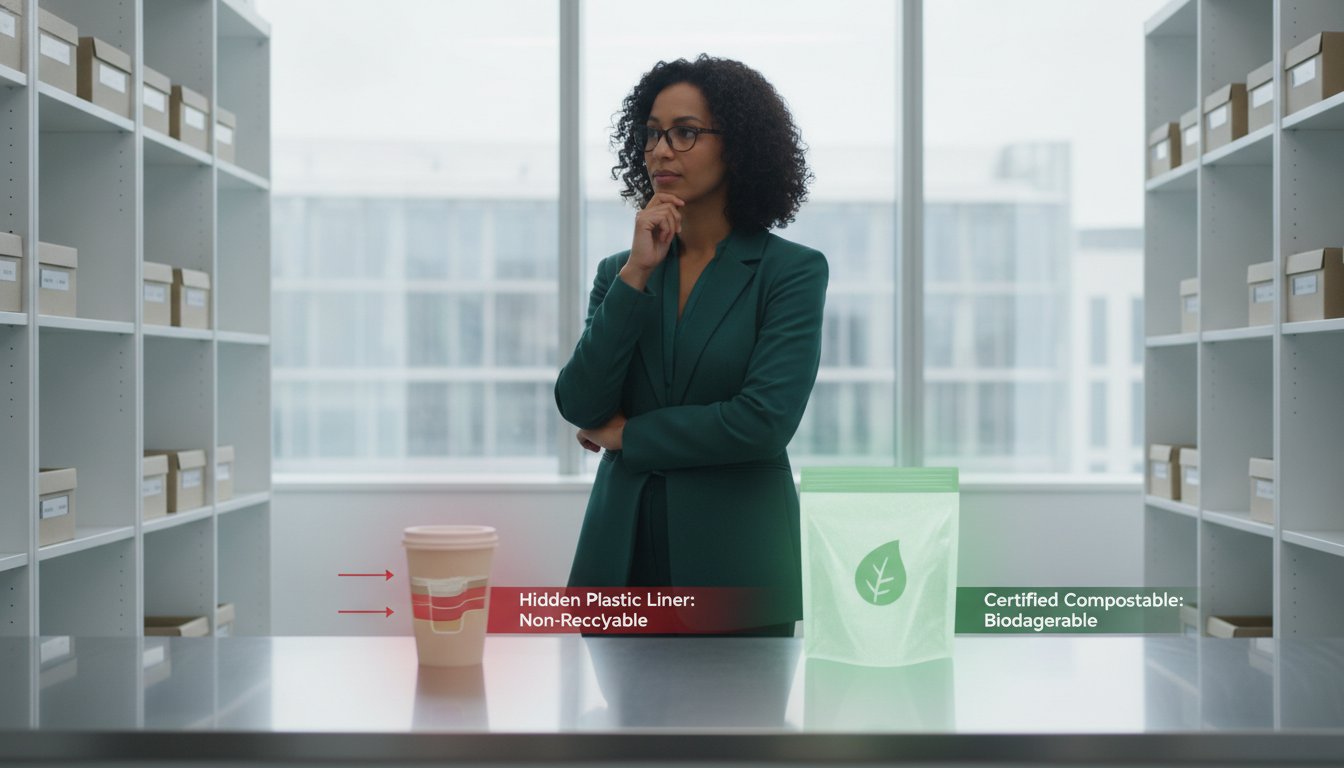
Certification is your primary shield against greenwashing accusations. In an era of increased scrutiny, relying on vague "eco-friendly" claims is no longer a viable commercial strategy. Standards such as OK compost HOME and TUV Austria provide the verification necessary to prove that materials will break down safely without leaving microplastics or toxic residues. As highlighted in the UK Parliament report on compostable packaging, clear labelling and rigorous testing are essential for building consumer trust and ensuring that materials actually reach the correct waste streams.
Home vs. Industrial Composting Standards
It's vital to distinguish between materials designed for back-garden heaps and those requiring the high-heat environment of an industrial facility. Home-compostable films offer the greatest flexibility for UK households, especially as food waste collections become mandatory. You might wonder, do compostable bags contain plastic? Understanding the molecular difference between fossil-fuel polymers and plant-based biopolymers is key to selecting the right tools for your organisation's waste strategy.
Advanced Plant-Based Polymers and Performance
Performance parity is no longer a goal; it's a reality. Today's plant-based materials are increasingly PFAS-free and GMO-free, ensuring they're safe for direct food contact. For heavy-duty applications, puncture resistant compostable garbage bags have become the industrial standard. They provide the strength required for commercial kitchens while remaining fully compatible with organic waste recovery. If you're ready to align your operations with these innovations, you can explore our range of certified solutions to begin your transition today.
Strategic Implementation: Transitioning Your Business in 2026
The transition to a plastic-free operation requires a methodical audit of your current material footprint. Identifying "low-hanging fruit" is the most effective way to begin. High-volume items like caddy liners and clingfilm represent significant opportunities for immediate impact; they're often the primary contaminants in food waste streams. By replacing these with plant-based alternatives, you ensure that organic waste remains pure enough for commercial composting. This strategic shift isn't just about environmental stewardship. It's a calculated business move to protect your brand from the rising costs of the Plastic Packaging Tax and the complexities detailed in the UK packaging EPR compliance guide.
The return on investment for sustainability in 2026 is measured through long-term brand equity and tax mitigation. While initial material costs for biopolymers can differ from traditional plastics, the gap is closing as production scales. When you factor in reduced tax liabilities and the increased loyalty of eco-conscious consumers, the commercial argument becomes undeniable. Sinhalite Holdings acts as a visionary partner in this journey, providing the high-performance SKUs needed to scale these solutions across commercial kitchens, warehouses, and retail outlets with absolute confidence.
Switching to Compostable Clingfilm and Liners
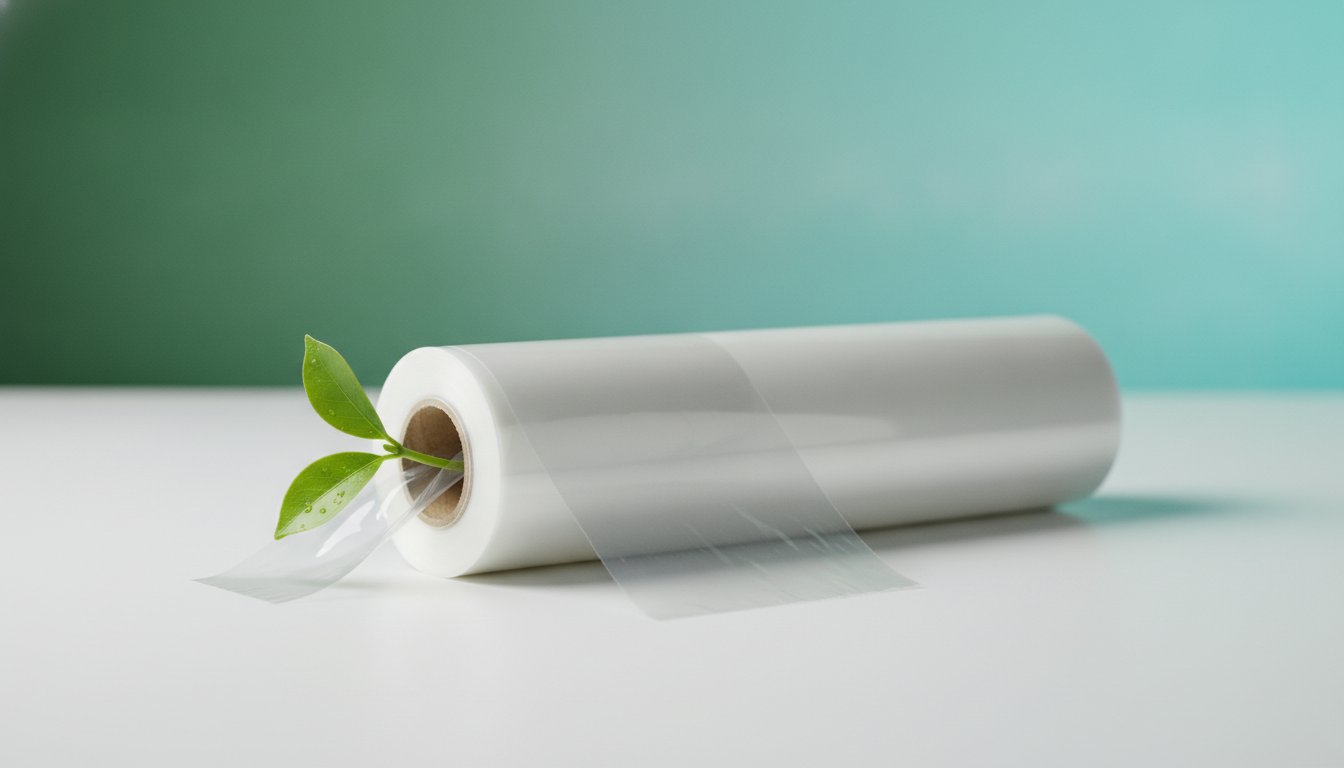
Preserving food quality while maintaining a circular waste stream is now achievable through advanced material science. Utilising compostable clingfilm uk allows kitchens to maintain high hygiene standards without contributing to the plastic crisis. Similarly, integrating plant-based food roller bags into retail environments offers an operational ease that customers appreciate. These products perform with the same strength and clarity as their plastic predecessors, ensuring that your transition to the future of compostable food packaging uk is seamless and professional.
Communicating Sustainability to the End Consumer
Transparency is the foundation of modern Corporate Social Responsibility. As mandatory labelling deadlines approach in 2027, using standardised "Recycle" or "Compost" instructions helps your customers play their part in the circular economy. Clear communication prevents the contamination of recycling streams and reinforces your brand's commitment to genuine sustainability. By providing high-quality compostable shopping bags and garbage bags, you offer tangible tools that help consumers align their daily habits with their ethical values. This honest approach to reporting and labelling builds a level of trust that traditional marketing simply cannot match.
Embracing the Circular Shift in 2026
The regulatory pressure of the Plastic Packaging Tax and the operational necessity of mandatory food waste separation have transformed sustainability from a corporate ideal into a commercial imperative. We've explored how material breakthroughs in biopolymers now offer the industrial durability and puncture resistance required for the most demanding UK environments. The future of compostable food packaging uk is no longer a distant vision; it's a practical reality that rewards early adopters with reduced tax liabilities and strengthened consumer trust.
As a dedicated partner in this transition, Sinhalite Holdings provides the TUV Austria and OK compost HOME certified solutions your organisation needs to thrive. Our range features high-performance puncture-resistant technology, ensuring your move toward a circular economy doesn't sacrifice strength or reliability. By integrating certified caddy liners, shopping bags, and clingfilm into your daily operations, you demonstrate a profound commitment to environmental stewardship while securing your brand's place in a greener marketplace.
Transition your business to a greener future with Sinhalite Holdings’ compostable range. We're here to help you navigate these changes with confidence, providing the tangible tools needed to build a more resilient, waste-free future for the United Kingdom.
Frequently Asked Questions
What is the future of sustainable packaging in the UK?
The future is defined by a shift toward compostable circularity where packaging is recovered as organic waste rather than traditional recycling. In 2026, the future of compostable food packaging uk is shaped by the Plastic Packaging Tax and the WRAP Roadmap. These frameworks encourage businesses to adopt plant-based materials like PBAT and Mater-Bi blends. These innovations ensure that packaging leaves no toxic residue while returning valuable nutrients to the soil.
Will all UK packaging be compostable by 2030?
Not all packaging will be compostable, but the UK government and WRAP aim for all plastic packaging to be reusable, recyclable, or compostable by 2030. Compostables are the preferred choice for food-contaminated items like clingfilm and caddy liners. Traditional recycling is often impossible for these products due to organic contamination. Focusing on these specific applications allows for a more efficient and cleaner waste management system across the country.
How does the UK Plastic Packaging Tax affect compostable materials in 2026?
The tax applies to plastic packaging that doesn't contain at least 30% recycled content. From 1 April 2026, the rate is £228.82 per tonne. Certified compostable materials serve as a strategic alternative to help businesses avoid these rising penalties. Switching to plant-based solutions can improve your organisation's ESG ratings while mitigating the financial risks of relying on traditional, non-recycled polymers.
Is compostable packaging truly better for the environment than recycling?
Compostable packaging is often the superior choice for food-contact applications because it diverts organic waste from landfills. When food waste is sent to a composter in a certified bag, it's transformed into nutrient-rich soil. Recycling food-contaminated plastic is technically difficult and energy-intensive. By choosing compostables, you support a circular solution that mimics natural processes and reduces the overall carbon footprint of your commercial operations.