What if the sustainable packaging you chose to protect the planet is actually leaching "forever chemicals" into your soil? As global regulations tighten, many responsible business leaders are asking, are there chemicals in compostable plastics that could undermine their environmental goals. It's a valid concern, particularly with the EU's new PFAS limits for food-contact materials taking effect on 12 August 2026 and the UK's own amendments to Persistent Organic Pollutants regulations arriving later that December. You want to ensure that your transition to greener practices is both safe and scientifically sound.
We understand the frustration of trying to distinguish between truly circular materials and those that simply hide behind vague "bio-based" labels. You deserve a clear path forward that balances industrial performance with absolute ecological integrity. This 2026 safety guide promises to demystify the additives used in bioplastics and show you how to identify certified, non-toxic compostable solutions for your operations. We will examine the shifting regulatory landscape and provide a practical checklist to ensure your transition to sustainable alternatives, such as compostable liners or food wrap, is both responsible and commercially viable.
Key Takeaways
- Understand how modern bioplastics replace persistent fossil-fuel polymers with natural starches and biodegradable polymers designed for complete environmental circularity.
- Address the critical question of are there chemicals in compostable plastics by exploring how 2026 manufacturing innovations have eliminated harmful PFAS "forever chemicals."
- Learn to identify the specific non-toxic certifications required to ensure your packaging solutions meet the latest UK and EU safety standards.
- Discover how adopting high-performance alternatives like compostable clingfilm and garbage bags can significantly reduce your organisation’s chemical footprint and strengthen ESG commitments.
- Gain the confidence to implement scalable, sustainable transitions that protect both your brand reputation and the ecosystems your business depends upon.
Understanding the Composition: What Makes Up Compostable Plastics?
To understand if are there chemicals in compostable plastics, we must first define what these materials actually are. In a literal sense, every physical object is made of chemicals; however, the real concern for businesses today is whether these substances are toxic or persistent in the environment. Modern compostable plastics are sophisticated blends of natural starches and biodegradable polymers that break down into water, CO2, and biomass without leaving harmful residues behind. This evolution in material science allows us to move away from traditional, persistent fossil-fuel polymers.
By examining What Makes Up Compostable Plastics, we see a strategic shift toward renewable feedstocks like corn starch and vegetable oils. It's vital to distinguish between "bio-based" materials, which refer to the origin of the carbon, and "compostable" materials, which define how the product behaves at its end-of-life. A material can be bio-based but still remain in the environment for centuries; conversely, certified compostable solutions are engineered for complete biological integration.
To better understand how these sustainable materials are formed from natural sources, watch this helpful video:
The Role of Polymers: PLA vs. PBAT
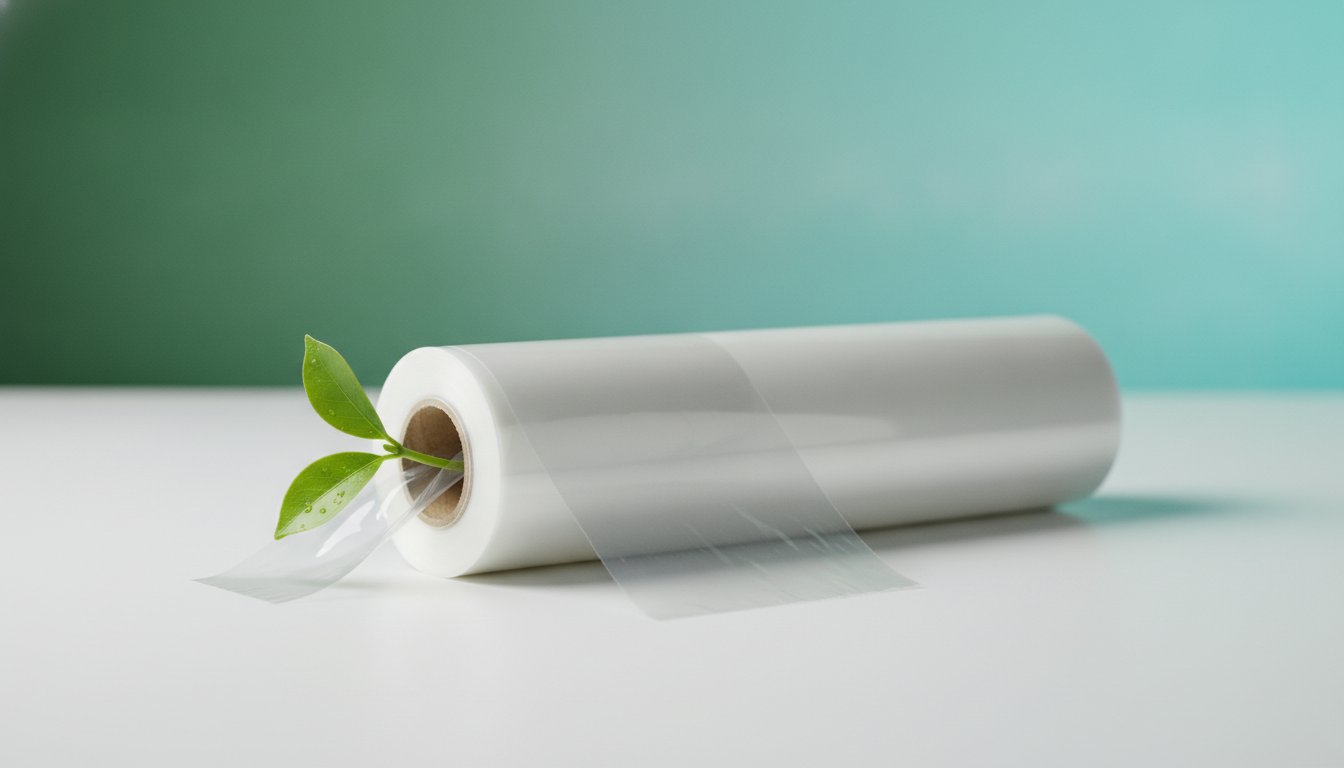
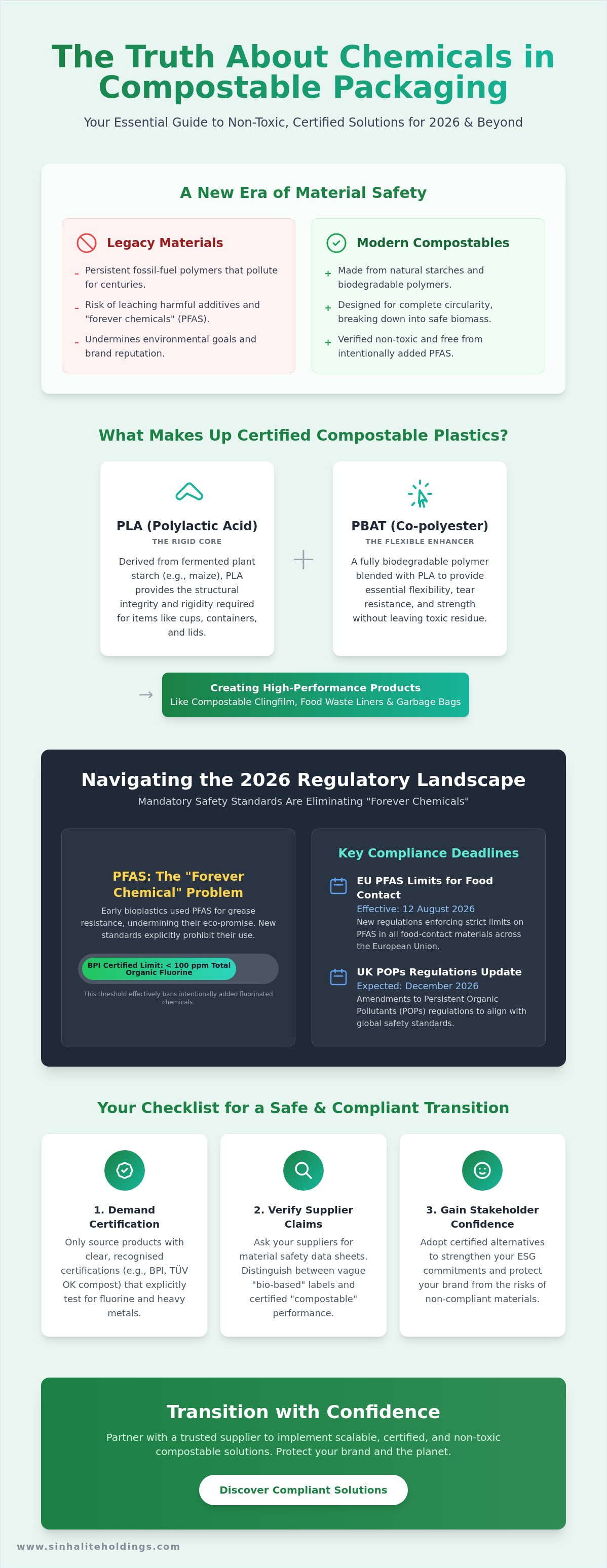
Polylactic Acid (PLA) remains a cornerstone of the industry, typically derived from fermented plant starch such as maize. While PLA provides the rigidity needed for cups or lids, it's often blended with PBAT to achieve the necessary durability for flexible commercial applications. PBAT is a fully biodegradable co-polyester that leaves no toxic residue. This polymer provides the essential flexibility and strength required for high-performance compostable clingfilm uk organisations use to maintain food safety standards while reducing plastic waste.
Additives and Processing Aids
When stakeholders ask are there chemicals in compostable plastics, they are often referring to the additives used for UV stability and durability. Manufacturing robust items like heavy-duty garbage bags requires specific processing aids to ensure the material doesn't tear under pressure. In 2026, the industry has successfully transitioned from synthetic, petroleum-derived plasticisers to plant-based alternatives. These innovations ensure that the aids used to enhance material performance don't compromise the final compost quality or the safety of the soil, allowing businesses to scale their sustainability efforts with confidence.
Safety Standards: Identifying PFAS-Free and Non-Toxic Certifications
The presence of PFAS (per- and polyfluoroalkyl substances) in early-generation bioplastics created a significant hurdle for environmental advocates. These "forever chemicals" were often added to provide grease resistance, but they frequently undermined the promise of a clean, circular economy. Today, the landscape has shifted. Through innovations in bioplastic technology 2026, manufacturers have replaced these harmful substances with plant-based alternatives that meet stringent new safety thresholds.
When businesses ask are there chemicals in compostable plastics, they are rightfully seeking assurance that their supply chain is free from toxicity. Leading certifiers now mandate rigorous testing to ensure products don't just disappear, but do so safely. For instance, BPI certification standards for PFAS set a maximum limit of 100 ppm total organic fluorine, effectively prohibiting intentionally added fluorinated chemicals. This aligns with the EU’s upcoming PFAS limits for food-contact materials effective 12 August 2026, and the UK’s own regulatory updates arriving in December 2026.
To verify the chemical safety of your supply chain, use this professional checklist:
- Confirm the presence of TUV Austria "OK compost HOME" or BPI logos.
- Verify compliance with the BS EN 13432 standard for heavy metal content.
- Request a Certificate of Analysis (CoA) to ensure no PFAS were intentionally added.
- Check that pigments and inks used on the packaging are also certified compostable.
The Significance of OK compost HOME
Home-compostable standards are notably stricter regarding chemical migration into soil compared to industrial standards. Because home compost heaps operate at lower temperatures, the material must be inherently more "biological." To pass the EN 13432 standard, products must undergo ecotoxicity tests, ensuring that the resulting compost supports plant growth without heavy metal contamination. Partnering with a responsible compostable supplier ensures your organisation meets these elite benchmarks.
Food Contact Safety and Migration
Safety is paramount when wrapping acidic or fatty foods. High-quality compostable cling film that actually clings is engineered to prevent the leaching of endocrine disruptors like BPA or phthalates. Certified materials are tested for migration limits, ensuring that even under heat or acidity, the molecular structure remains stable. This level of integrity allows businesses to protect both the consumer and the environment simultaneously, proving that are there chemicals in compostable plastics is a question with a very safe, scientifically-backed answer in 2026.
Implementing Clean Solutions: A Strategic Approach for UK Businesses
Adopting compostable alternatives is no longer just a peripheral environmental gesture; it is a core pillar of a robust ESG (Environmental, Social, and Governance) strategy. For UK organisations, the transition to these materials represents a proactive commitment to reducing their systemic chemical footprint. When procurement teams investigate whether are there chemicals in compostable plastics, they are performing essential due diligence that protects both the brand's reputation and its long-term operational viability.
To ensure total transparency, businesses must move beyond surface-level marketing claims. We recommend that decision-makers mandate the provision of Technical Data Sheets (TDS) and a formal Declaration of Compliance (DoC) for every product. These documents provide the scientific proof that materials are free from harmful additives and meet safety standards. For internal stakeholders who may still have lingering doubts about material composition, our guide on do compostable bags contain plastic serves as an invaluable reference to align your team's understanding of bioplastic integrity.
Choosing Transparent Suppliers
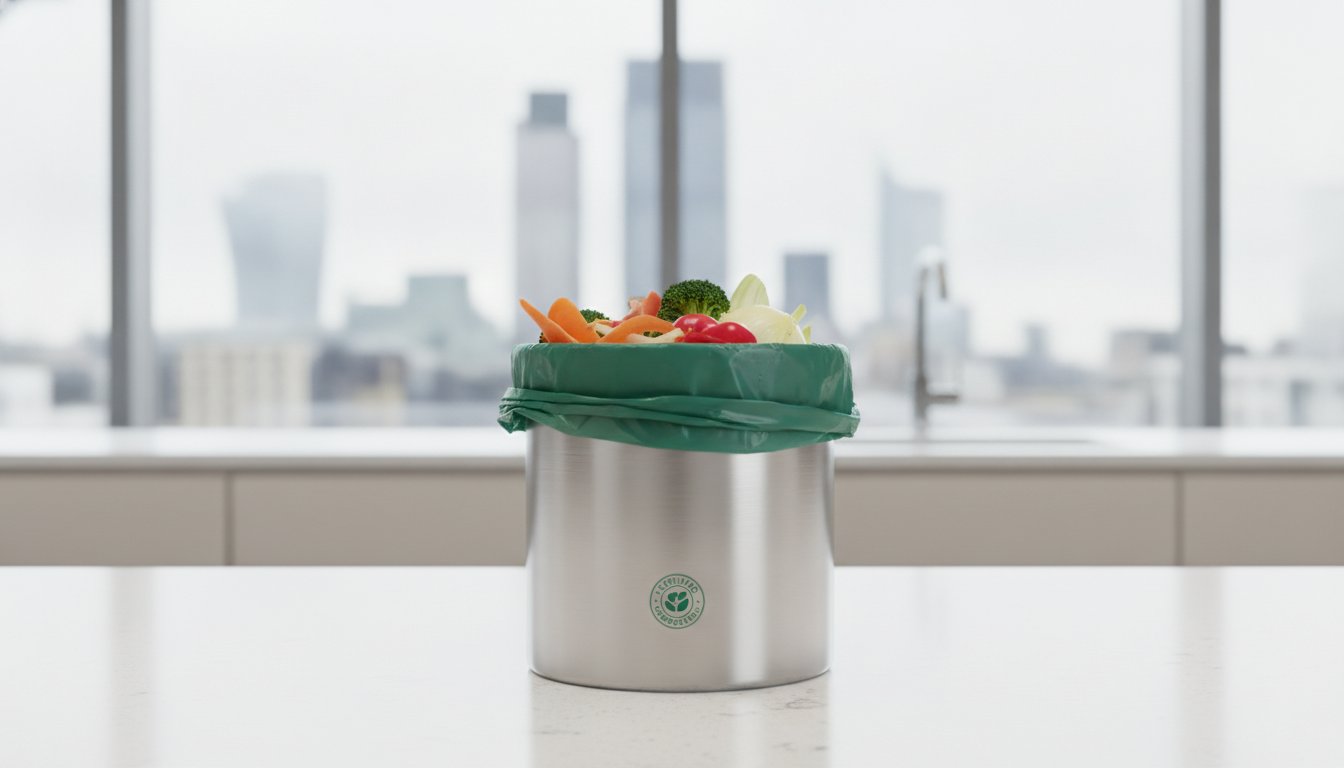
Success in sustainable procurement depends heavily on working with UK-based partners who prioritise traceable, high-integrity supply chains. At Sinhalite Holdings, we are dedicated to providing fully documented, non-toxic essentials ranging from compostable caddy bags to heavy-duty garbage bags. By choosing a partner that provides clear certification data, your business ensures that every item, from shopping bags to food roller bags, supports a genuinely clean circular economy without hidden chemical legacies.
Future-Proofing Against Plastic Taxes
Switching to certified non-toxic compostable solutions provides a clear financial advantage by helping businesses bypass the UK Plastic Packaging Tax. This tax applies to plastic packaging that doesn't contain at least 30% recycled content, yet truly compostable materials offer a more visionary path. By moving toward a circular model where packaging returns to the earth safely as biomass, organisations can avoid the complexities of plastic waste management while meeting the rising consumer demand for authentic sustainability. It's a logical, forward-thinking shift that transforms the question of are there chemicals in compostable plastics into a clear opportunity for responsible innovation.
Securing a Non-Toxic Future for Your Organisation
Transitioning to certified compostable solutions is a decisive step toward a cleaner, more responsible business model. By prioritising materials that meet the highest safety standards, you ensure that your operations no longer contribute to the accumulation of persistent environmental toxins. We have established that while the question are there chemicals in compostable plastics is complex, the answer in 2026 lies in the rigorous testing and transparent certifications that now define the industry. Choosing products that are TUV Austria OK compost HOME certified provides the ultimate assurance of safety for both people and the planet.
Since 2018, Sinhalite Holdings has been a dedicated partner in supporting the UK circular economy. We specialise in high-performance, PFAS-free compostable clingfilm and a wide range of essential bags designed for immediate commercial implementation. Our commitment to non-toxic, plant-based innovation allows your business to move forward with confidence and integrity. We invite you to explore our range of certified non-toxic, compostable solutions for your business and join us in building a future where packaging leaves nothing but life behind. Together, we can make the transition to a sustainable, plastic-free world a practical reality.
Frequently Asked Questions
Do compostable plastics contain PFAS or "forever chemicals"?
Modern certified compostable plastics don't contain intentionally added PFAS. While early versions sometimes used fluorinated chemicals for grease resistance, 2026 manufacturing standards have effectively eliminated them. Regulatory shifts in the UK and EU now enforce limits as low as 25 parts per billion for specific substances. This ensures that items like food roller bags or caddy liners remain safe for both your business and the natural environment.
Are bioplastics safer for food storage than traditional PVC clingfilm?
Bioplastics represent a safer alternative for food contact because they don't rely on harmful synthetic plasticisers like phthalates or BPA. Traditional PVC clingfilm can leach these endocrine disruptors into fatty or acidic foods during storage. In contrast, certified compostable clingfilm is engineered from vegetable oils and starches. These materials provide a stable barrier that protects food integrity without the risk of chemical migration associated with traditional fossil-fuel polymers.
Do compostable plastics leave microplastics or toxic residues in the soil?
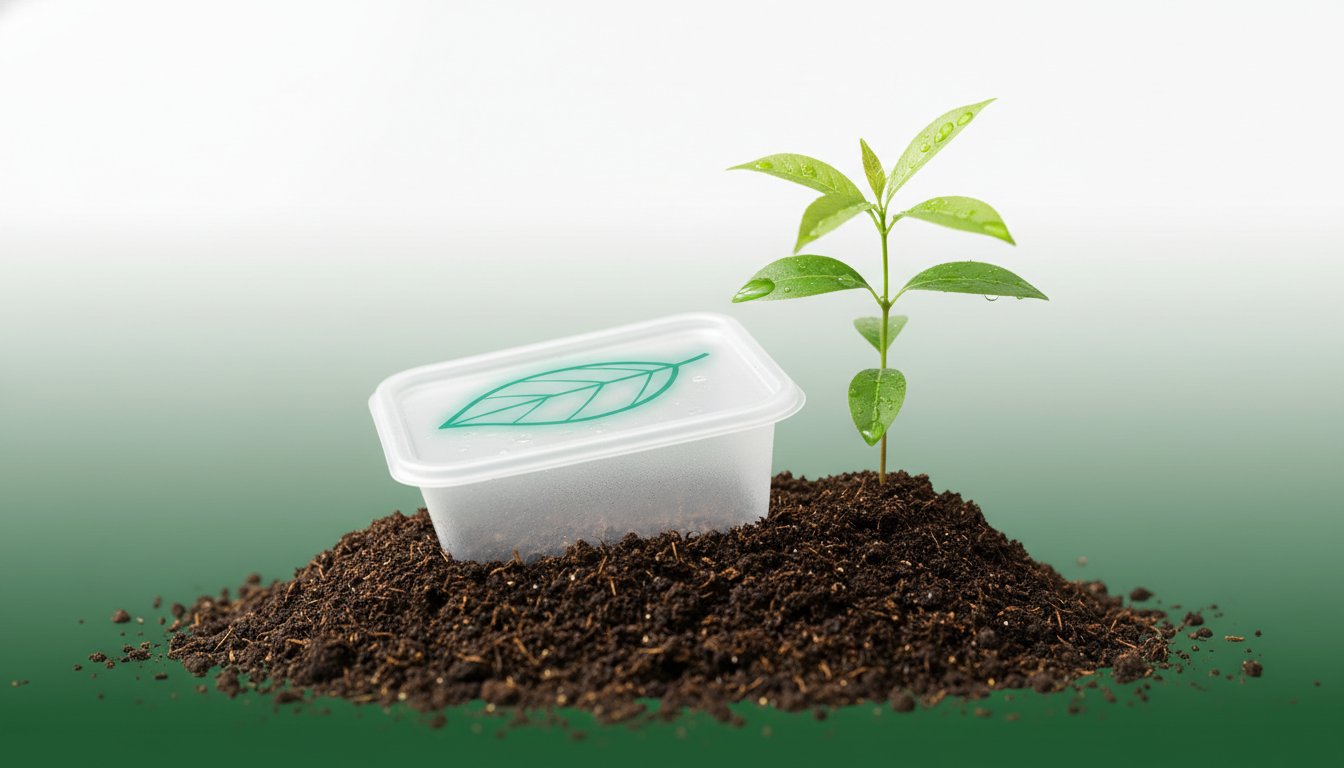
Truly compostable plastics don't leave microplastics or toxic residues when processed in the correct environment. Unlike "oxo-degradable" plastics that simply fragment into smaller pieces, certified compostable materials undergo a complete biological transformation. They break down into water, carbon dioxide, and nutrient-rich biomass. This process is essential for businesses asking are there chemicals in compostable plastics that might harm soil health, as certification requires rigorous ecotoxicity testing.
How can I tell if a compostable bag is truly non-toxic?
You can verify the safety of a product by looking for internationally recognised certification markings. The most reliable indicators are the TUV Austria "OK compost HOME" and "OK compost INDUSTRIAL" logos. These marks confirm the product has passed heavy metal and plant growth tests. For UK businesses, ensuring compliance with the BS EN 13432 standard is a practical way to guarantee that shopping bags or garbage bags are genuinely non-toxic.