
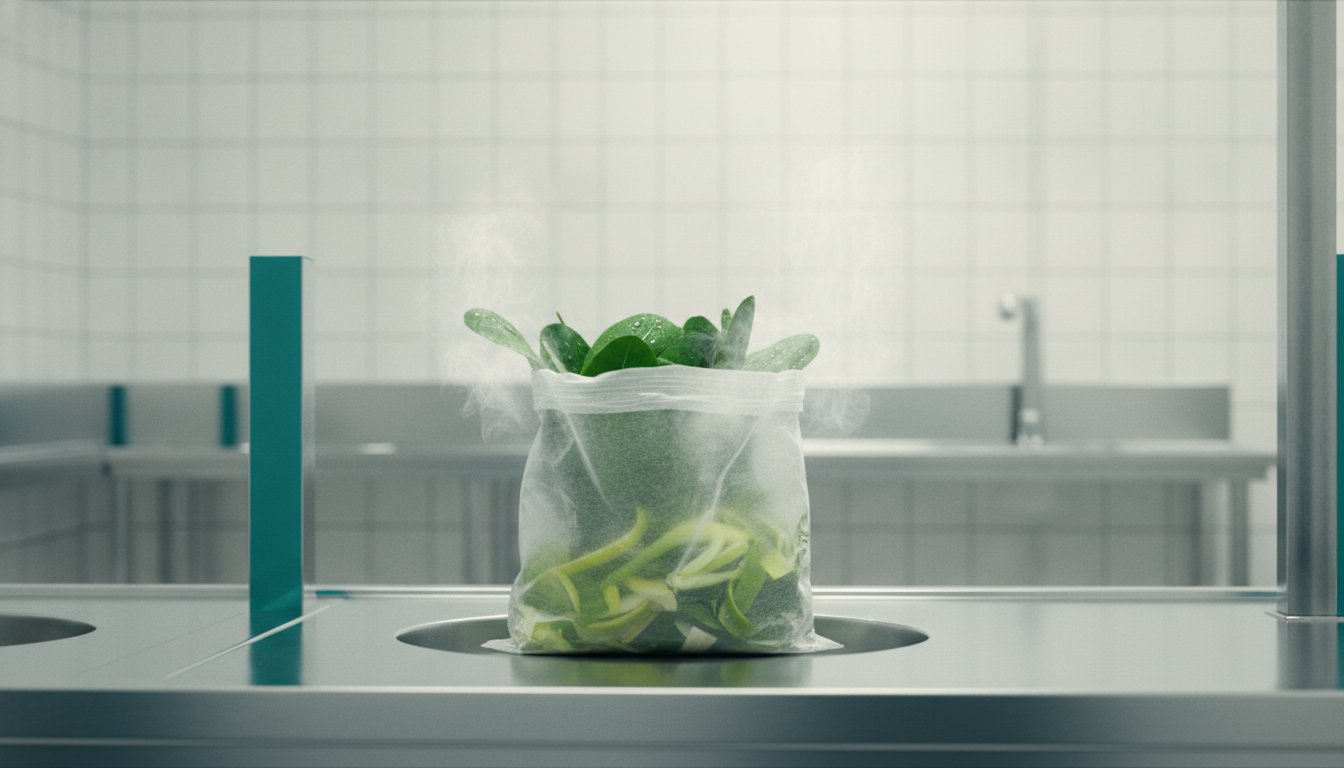
What if the traditional plastic liners you rely on are actually the primary cause of your waste area's persistent odour and pest issues? As the March 2026 "Simpler Recycling" mandate requires every council in England to provide weekly food waste collections, the pressure to maintain sanitary environments has never been higher. Many organisations find that standard plastic traps moisture and heat, creating a breeding ground for bacteria. Understanding the benefits of using compostable bags for hygiene is no longer just an environmental choice; it's a practical necessity for any professional facility. These breathable liners allow moisture to evaporate, which keeps waste drier and significantly reduces the anaerobic conditions that lead to foul smells.
We understand that managing organic waste often feels like a constant battle against employee complaints and rising cleaning costs. You deserve a solution that aligns your sustainability goals with high operational standards. This guide explains how switching to certified EN 13432 compostable liners improves site cleanliness, ensures regulatory compliance, and boosts participation in recycling programmes. We'll examine the science behind breathable materials and how they streamline waste management for a cleaner, more professional future.
Key Takeaways
- Understand why plant-based materials like corn starch prevent the anaerobic conditions that lead to lingering foul odours in commercial waste areas.
- Discover how maintaining drier organic waste through breathable liners significantly reduces the attraction of pests and helps contain food-borne pathogens.
- Explore the long-term benefits of using compostable bags for hygiene to drive higher participation rates in food waste recycling schemes.
- Learn how to verify industrial standards like EN 13432 to ensure your liners are fully compliant with the 2026 UK waste regulations.
- Identify practical ways to reduce bin maintenance costs and improve the professional presentation of your organisation's disposal zones.
The Science of Breathability: How Compostables Prevent Bin Odours
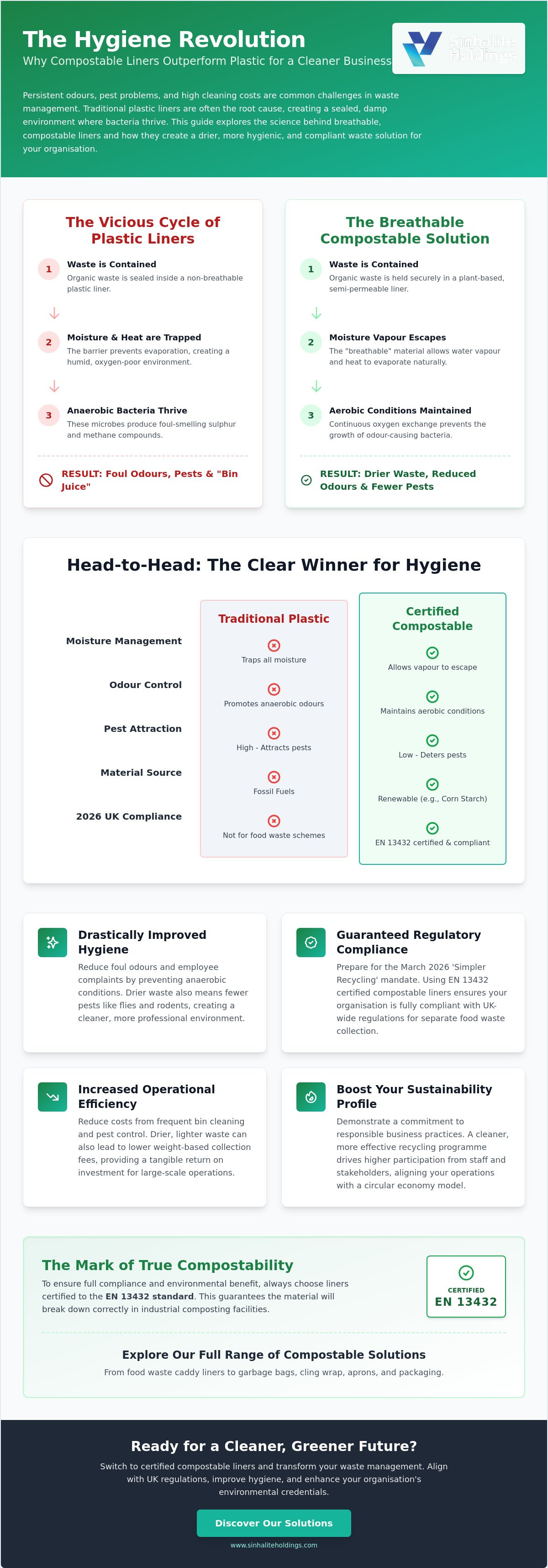
Standard plastic liners are engineered to be absolute barriers. While this seems logical for containing waste, it creates a significant hygiene flaw: it traps heat and moisture, which rapidly accelerates the rotting process of organic matter. In contrast, plant-based materials like Mater-Bi or corn starch possess a semi-permeable molecular structure. This allows water vapour to escape while keeping liquid contents secure. Understanding The Science of Breathability is essential for any organisation aiming to modernise its waste protocols. By allowing the waste to "breathe," these liners prevent the stagnant, humid environment where harmful bacteria thrive.
To better understand how these materials perform in real-world conditions, watch this helpful comparison:
Moisture Management and the 'Ick' Factor
One of the most immediate benefits of using compostable bags for hygiene is the dramatic reduction of condensation. In a non-breathable plastic bag, moisture builds up rapidly, pooling at the bottom of caddies as "bin juice." This liquid is a primary source of contamination and creates an unpleasant experience for staff handling the waste. Compostable liners facilitate natural evaporation, keeping the contents significantly drier. This process also provides a secondary commercial advantage; drier waste is lighter, which can help reduce weight-based collection fees for large-scale operations.
Preventing Anaerobic Decomposition
The pungent smells associated with food waste are typically caused by anaerobic bacteria. These microbes flourish in oxygen-depleted environments, producing methane and foul-smelling sulphur compounds. Because compostable garbage bags allow for continuous oxygen exchange, they help maintain aerobic conditions. This keeps the waste fresher for longer and eliminates the aggressive odours that often lead to employee or resident complaints. By choosing breathable alternatives, businesses can maintain a more professional and sanitary environment without relying on chemical air fresheners or frequent, costly bin cleaning.
Practical Hygiene Gains: Reducing Pests and Pathogens
Maintaining a sanitary waste area is a significant challenge for commercial kitchens and high-traffic facilities. One of the most tangible benefits of using compostable bags for hygiene is the immediate reduction in pest activity. Traditional plastic liners create a damp, anaerobic environment that acts as a magnet for flies and rodents. By using breathable alternatives that prevent bin odours, businesses can break the cycle of infestation at the source. Drier waste lacks the fermented intensity that draws pests, leading to a cleaner and more professional work environment.
Pest Mitigation in Commercial Kitchens
Fruit flies and bluebottles are notorious for colonising food waste areas where moisture levels are high. Because compostable systems facilitate evaporation, the waste surface remains less hospitable for egg-laying. This proactive approach reduces the need for frequent pest control interventions, which can be costly and disruptive. Organisations that transition to these systems often report a noticeable decrease in fly populations within just a few weeks of implementation. It's a simple change that leads to a much more pleasant atmosphere for both staff and customers.
Bacterial Containment and Safety
Hygiene isn't just about what you can see; it's also about containing microscopic threats. High-quality compostable food waste bags act as an effective barrier against mould and fungal spores, which can otherwise become airborne during disposal. To maintain these standards, it is vital to stop compostable liners sticking to the bin, as residue can lead to bacterial buildup over time. Ensuring a clean release during collection is essential for long-term facility health.
Modern 2026-standard compostable garbage bags are engineered with high puncture resistance, dispelling older myths about material splitting or leaking. This durability ensures that pathogens remain contained until they reach the industrial composting facility. Additionally, because the bags prevent the accumulation of stagnant liquids, the frequency of chemical-intensive bin washing is greatly reduced. This not only saves water but also lowers operational overheads. For those ready to upgrade their facility's standards, exploring a range of high-performance compostable garbage bags is a logical next step toward a more responsible future.
Strategic Implementation: Why UK Councils and Businesses are Switching
UK councils and businesses are navigating a pivotal shift in 2026. With the March 31 mandate for separate food waste collections now active across England, the focus has moved from simple disposal to sophisticated, hygienic waste management. A core driver for this transition is the clear benefits of using compostable bags for hygiene. When waste areas are free from foul odours and pests, the psychological barrier to participation disappears. This shift isn't just about meeting the requirements of the Environment Act 2021; it's about building a system that staff and residents feel confident using.
Boosting Compliance through Better Experiences
Evidence suggests that cleaner waste environments lead to more accurate sorting by the public. When bins are maintained with breathable liners, the "ick factor" is removed, encouraging higher participation rates. Many residents frequently ask whether councils provide food waste bags to help them adapt to these new rules. Providing these tools is a strategic move for local authorities, as it ensures the organic waste stream remains free from plastic contamination while improving the daily experience of waste disposal.
The Role of High-Quality Compostable SKUs
For large organisations, the transition requires heavy-duty solutions that can handle significant commercial loads without failure. Utilising purpose-built compostable garbage bags is a vital component of any comprehensive strategy for how to keep a food waste bin from smelling. It's essential to look for certifications like EN 13432, which guarantee that the material will break down entirely in industrial composting facilities. This ensures your organisation's sustainability claims are backed by rigorous international standards.
Sinhalite Holdings acts as a specialist partner for businesses and councils seeking high-performance compostable solutions. We understand that a successful transition to a circular economy requires tools that don't compromise on strength or utility. By prioritising health, safety, and environmental stewardship, we can move away from the limitations of single-use plastic. Adopting these benefits of using compostable bags for hygiene is a practical step toward a cleaner, more resilient future for all UK organisations.
Embracing a Cleaner, More Efficient Future for Waste Management
Integrating plant-based liners into your daily operations is a proactive step toward superior site management. By leveraging the natural breathability of these materials, you can effectively eliminate the moisture buildup and foul odours that plague traditional plastic systems. This shift doesn't just improve the experience for staff and residents; it ensures your organisation is fully aligned with the 2026 UK waste mandates while reducing your environmental footprint. Drier bins mean fewer complaints and a more professional atmosphere for everyone involved.
Realising the full benefits of using compostable bags for hygiene allows you to maintain a pest-free environment while lowering the costs associated with frequent bin maintenance. As a specialist provider of BS EN 13432 certified products, Sinhalite Holdings delivers high-performance, puncture-resistant garbage bags that meet the rigorous demands of the commercial and council sectors. We're proud to be a trusted partner in this transition, providing the tools necessary to support a resilient circular economy and a healthier workspace.
Upgrade your facility's hygiene with Sinhalite's compostable solutions and take the lead in responsible waste management today. Together, we can build a future that prioritises both operational excellence and environmental stewardship.
Frequently Asked Questions
Are compostable bags really as hygienic as traditional plastic liners?
Yes, compostable bags are often more hygienic than plastic because they allow for moisture evaporation. Traditional plastic liners create a sealed, anaerobic environment that traps heat and humidity, which accelerates the growth of odour-causing bacteria. By facilitating oxygen exchange, compostable liners keep food waste drier and fresher for longer. This is one of the primary benefits of using compostable bags for hygiene in professional settings where odour control is a priority.
Do compostable bags leak more often than plastic ones?
Modern compostable garbage bags manufactured to 2026 standards are engineered for high puncture resistance and durability. While early iterations of plant-based materials were sometimes prone to splitting, today's high-performance SKUs provide a reliable barrier against leaks and tears. It's important to select bags that are specifically designed for heavy commercial loads. This ensures they maintain their integrity and contain all pathogens during transport and disposal without the risk of failure.
How do compostable bags help with pest control in commercial kitchens?
Compostable bags disrupt the conditions that attract pests like fruit flies and rodents by reducing the moisture content of organic waste. In a plastic-lined bin, liquid often pools at the bottom, creating a fertile breeding ground for insects. Because compostable materials allow water vapour to escape, the waste remains drier. This produces fewer of the strong, fermented odours that draw pests into commercial kitchen environments, leading to a much cleaner facility.
Can using compostable bags reduce the frequency of bin cleaning?
Yes, switching to breathable compostable liners can significantly decrease the need for frequent bin washing. Since these bags prevent the accumulation of stagnant liquid and condensation, the interior of the bin stays much cleaner and drier compared to bins using non-breathable plastic. This reduction in liquid residue not only improves workplace hygiene but also saves on water usage and the costs associated with chemical cleaning agents, supporting a more efficient operation.


