
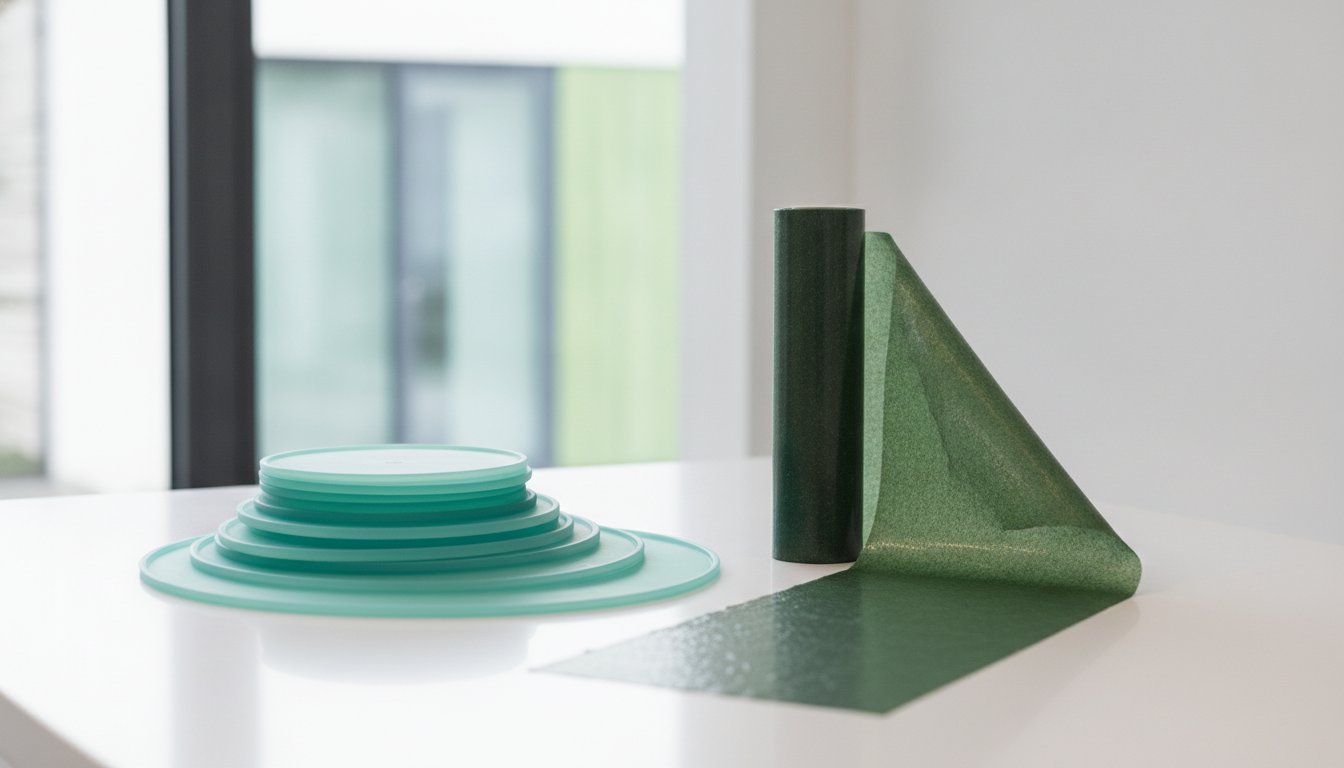
The reusable lid that appears to be the most sustainable choice might actually be creating a hidden hygiene and waste bottleneck for your organisation. As businesses face the evolving regulations of the 2026 UK Packaging Pact, the central question remains: are silicone food covers better than compostable wrap for high-volume environments? You likely understand the frustration of lids that fail to fit oddly shaped containers or the valid concerns regarding cross-contamination when reusables aren't sanitised perfectly. Transitioning away from traditional plastic is essential, but the solution must be as practical as it is responsible.
Discover whether reusable silicone or high-performance compostable wrap is the superior sustainable choice for your kitchen or commercial organisation. This comparison provides a clear understanding of the carbon footprint associated with both options while offering a scalable waste management solution that aligns with modern ethical standards. We will evaluate how these materials perform under rigorous food safety and hygiene standards; this ensures your transition to a circular economy is both achievable and advantageous for your long-term operational goals.
Key Takeaways
- Analyse the total carbon cost of production to determine the specific point at which reusable silicone justifies its manufacturing footprint against plant-based Mater-Bi resin.
- Identify if silicone food covers are better than compostable wrap when maintaining strict allergen controls and preventing cross-contamination in professional environments.
- Compare the logistical advantages of high-performance compostable wrap rolls against the storage and maintenance requirements of varied reusable lid sets.
- Understand how switching to certified compostable products simplifies waste collection and ensures your organisation meets the requirements of the 2026 UK Packaging Pact.
- Determine the most scalable solution for your organisation by weighing the long-term durability of silicone against the hygiene-critical benefits of single-use compostables.
Analysing the Environmental Impact: Silicone vs. Compostable Wrap
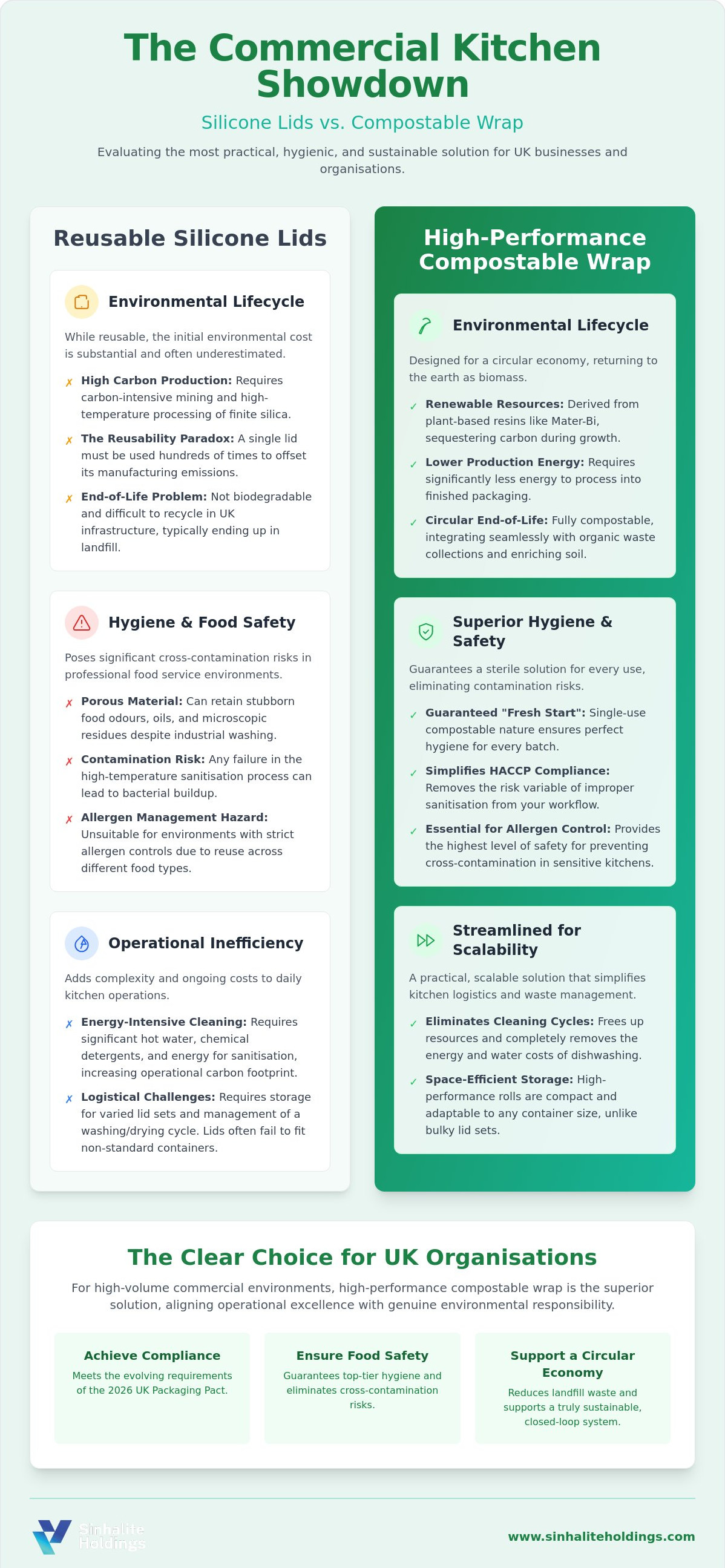
Many organisations assume that moving to a reusable alternative is the definitive solution for sustainability. However, when we ask are silicone food covers better than compostable wrap, we must examine the entire life cycle of the material. Silicone is a synthetic polymer that requires carbon-intensive mining and high-temperature processing to convert silica into food-grade lids. In contrast, high-quality compostable clingfilm utilises plant-based resins like Mater-Bi, which are designed to return to the earth as biomass. This fundamental difference determines whether a product supports a circular economy or contributes to a linear waste stream.
The "break-even" point for silicone is often surprisingly high. A single silicone lid must be used hundreds of times to offset its initial manufacturing emissions. If these lids are lost, torn, or discarded due to hygiene concerns before reaching that milestone, they represent a significant environmental deficit. Because silicone is not biodegradable and remains difficult to recycle within current UK waste infrastructure, most retired covers end their life in landfill. This is a stark contrast to compostable solutions that integrate seamlessly with organic waste collections.
To better understand the practical differences between these two options, watch this helpful video comparison:
Production Energy and Resource Depletion
The manufacturing of food-grade silicone involves intensive heating processes to refine silicon from quartz. This reliance on finite mineral resources and high energy input stands in contrast to the production of bioplastic materials. Certified compostable wraps are derived from renewable agricultural feedstocks. These plants sequester carbon during their growth phase and require less energy to process into finished packaging, providing a more balanced carbon profile from the outset.
The Reusability Paradox: Washing vs. Composting
For commercial kitchens, the environmental load of industrial dishwashing is a critical factor often overlooked in sustainability audits. Repeatedly sanitising silicone covers requires significant volumes of hot water and chemical detergents, which contributes to an organisation’s ongoing operational carbon footprint. High-performance compostable wrap is often the lower-emission choice for high-volume catering because it eliminates the energy-intensive cleaning cycle while facilitating the efficient collection of food waste for industrial composting.
Are Silicone Food Covers Better Than Compostable Wrap for Hygiene?
Maintaining a sterile environment is the cornerstone of any professional food service operation. While environmental goals are vital, they cannot compromise food safety. When determining are silicone food covers better than compostable wrap for commercial use, hygiene often becomes the deciding factor. High-volume kitchens require solutions that are both effective and easy to manage within strict regulatory frameworks.
Single-use compostable solutions provide a guaranteed "fresh start" for every batch. This is particularly essential for strict allergen management, where even microscopic residues can pose a significant risk. Because silicone lids are reused across different food types, they require rigorous, high-temperature sanitisation to prevent cross-contamination. Any failure in the washing process could lead to bacterial buildup within the kitchen's workflow.
Food Safety Standards in Commercial Kitchens
Maintaining HACCP compliance is often more straightforward with disposable covers. Silicone is inherently porous; over time, these lids can retain stubborn food odours and microscopic oil residues despite industrial washing. This retention of organic matter can degrade the material's integrity and lead to unpleasant smells that affect food quality. High-performance compostable cling film that actually clings eliminates these concerns by providing a clean, airtight seal every time without the risk of lingering contaminants.
Practical Versatility for Oddly Shaped Ingredients
The adaptability of a material is crucial for operational efficiency. Fixed-size silicone lids often struggle to provide a secure fit on irregular containers or large-scale prep items like half-cut vegetables and industrial gastro-tins. This lack of versatility can lead to air exposure and premature food spoilage. Compostable wrap offers superior flexibility, allowing staff to:
- Securely seal oddly shaped ingredients to maintain moisture.
- Protect large catering trays during transport.
- Transition items directly from industrial freezers to microwave applications without losing seal integrity.
By opting for high-quality plant-based alternatives, your organisation can maintain the highest standards of cleanliness while reducing plastic waste. To explore how these materials can be integrated into your workflow, consider reviewing the latest sustainable kitchen solutions available for commercial use.
Operational Scalability: Why UK Organisations are Choosing Compostable Solutions
UK organisations are increasingly prioritising operational simplicity when choosing between materials. When evaluating if are silicone food covers better than compostable wrap, large-scale entities must consider the logistical footprint of their choices. A single roll of high-performance compostable wrap occupies minimal shelf space while providing thousands of metres of versatile coverage. In contrast, maintaining an inventory of silicone lids in various sizes creates a storage challenge and requires constant tracking to prevent inventory loss in busy environments.
Compliance with evolving regulations is another critical factor for modern businesses. As of April 1, 2026, the UK Plastic Packaging Tax rate stands at £228.82 per tonne for packaging that does not meet recycled content thresholds. While the tax applies broadly, switching business to sustainable packaging helps organisations align with the broader UK Packaging Pact and strengthens ESG reporting. Utilising products where you have the OK compost HOME certification explained ensures your sustainability claims are verifiable, providing the transparency required by stakeholders and regulators alike.
Streamlining Waste Management
Efficiency in waste handling is a primary driver for adopting plant-based solutions. Compostable wrap can be discarded directly into food waste bins along with organic leftovers, which significantly streamlines the clearing process for staff. Reusable silicone covers require significant manual labour to sort, wash, and dry after every use. For a busy commercial kitchen or a large organisation, this additional labour requirement often outweighs the perceived benefits of a reusable item, especially when water and energy costs are factored into the equation.
Cost-Efficiency for Large-Scale Operations
While silicone requires a higher upfront investment per unit, the ongoing operational costs of compostable wrap often prove more manageable for dynamic organisations. Compostable wrap supports a circular economy without disrupting existing workflows or requiring expensive new cleaning infrastructure. This allows businesses to meet their environmental commitments with confidence, maintaining the speed and reliability necessary for professional food service while effectively reducing their plastic footprint.
Advancing Toward a Circular Kitchen Economy
Selecting the most effective material is a strategic decision that impacts both your operational efficiency and environmental legacy. While reusables have a role in the domestic sphere, determining if are silicone food covers better than compostable wrap for commercial use requires a focus on scalability and hygiene. For high-volume organisations, the certainty of a fresh seal and the elimination of industrial washing cycles often make plant-based wraps the superior choice. You can maintain strict safety standards while ensuring your waste management remains streamlined and cost-effective.
Transitioning to responsible alternatives doesn't have to disrupt your existing workflows. By choosing high-performance, certified solutions, your business stays ahead of evolving UK packaging regulations and simplifies the path to a circular economy. As a specialist UK supplier for commercial organisations, we offer the expertise and products needed to reach your sustainability goals without sacrificing utility.
Explore Sinhalite Holdings' range of professional compostable clingfilm, featuring puncture-resistant plant-based technology that is TUV Austria and OK compost HOME certified. We're here to help you lead the way toward a cleaner, greener future for your organisation.
Frequently Asked Questions
Is silicone actually biodegradable or just reusable?
Silicone is a synthetic polymer and is not biodegradable; its primary environmental value lies solely in its capacity for long-term reuse. While it is highly durable, it remains difficult to recycle within standard UK waste streams and will not break down in a natural environment. When determining are silicone food covers better than compostable wrap, it's vital to recognise that silicone eventually ends its life in a landfill rather than integrating into a circular economy.
Can compostable wrap go in my council food waste bin?
Certified compostable wrap can typically be processed in industrial food waste collections provided it meets the BS EN 13432:2000 standard. However, local council policies across the UK vary, so organisations should verify acceptance with their specific waste contractor. Using certified bioplastics ensures that the material will break down into CO2, water, and biomass within six months in an industrial facility, which directly supports efficient organic waste management.
Does silicone leach chemicals into hot food compared to bioplastics?
Food-grade silicone is generally stable, but it can potentially leach siloxanes if exposed to temperatures exceeding 200 degrees Celsius or high-fat foods. In contrast, certified compostable wraps are engineered from plant-based resins specifically for food contact safety and hygiene. These bioplastics provide a reliable barrier without the risk of retaining previous food odours or oils; this ensures a high standard of purity and safety for every use.
How many times do I have to use a silicone lid to make it 'greener' than wrap?
A silicone lid typically requires hundreds of uses to offset the intensive energy and carbon emissions generated during its initial manufacturing process. If a lid is lost, damaged, or discarded due to hygiene concerns before reaching this threshold, it represents a higher environmental cost than plant-based alternatives. When asking are silicone food covers better than compostable wrap, organisations must account for both the production energy and the ongoing resources required for industrial sanitisation.


