
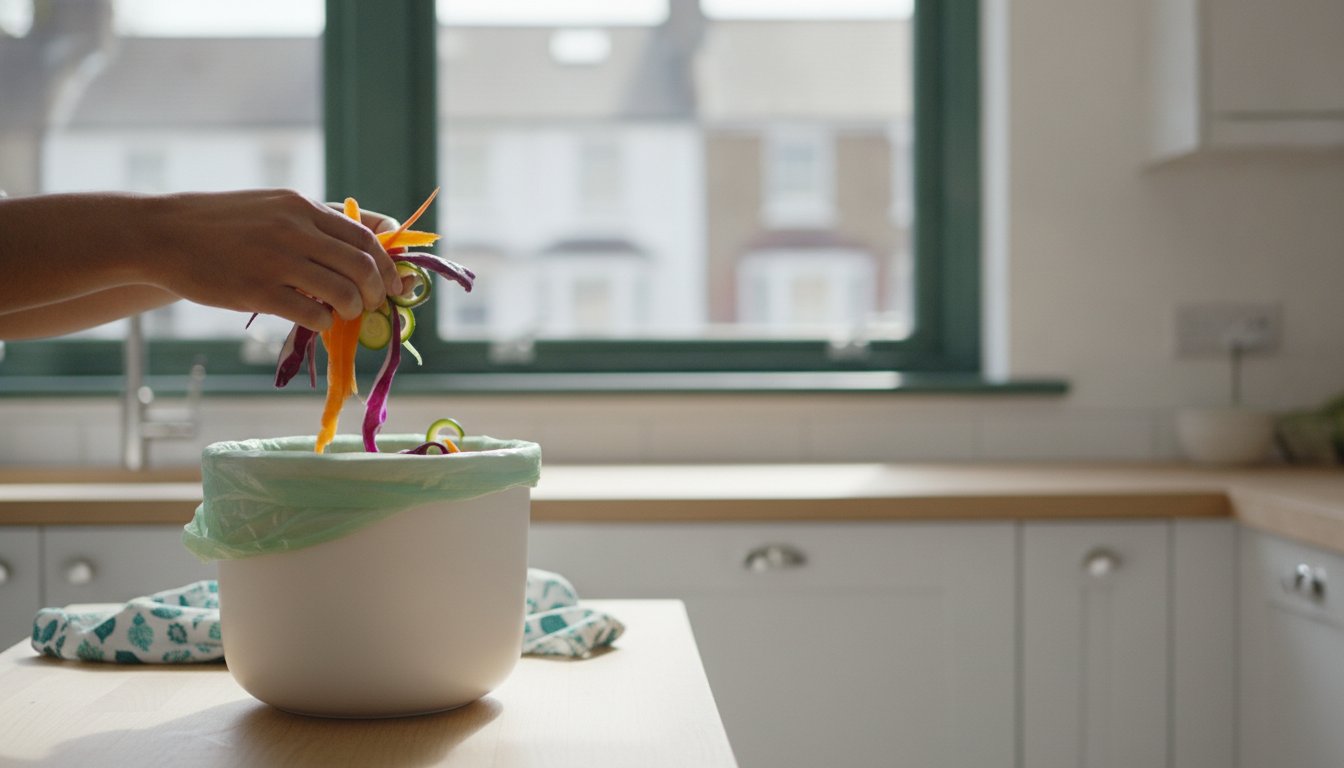
Did you know that England's recycling rates have remained stubbornly stagnant at around 42% for nearly two decades? This lack of progress is the driving force behind the Simpler Recycling mandate, which requires local authorities to provide weekly food waste collections to all households by March 31, 2026. Having the council food waste collection rules explained is no longer just a matter of curiosity; it's a vital step for any organisation or resident committed to a cleaner, circular economy. By understanding these systemic changes, we can turn a regulatory requirement into a powerful opportunity for purposeful environmental stewardship.
You might feel concerned about the logistics of these changes, perhaps worrying about the hygiene of indoor caddies or the confusion regarding which liners are actually permitted. It's natural to feel some uncertainty when national legislation shifts and new responsibilities arise. This guide promises to simplify the 2026 mandates, empowering you to manage organic waste with total confidence and efficiency. We will examine the specific timelines for businesses and households, identify which compostable liners meet the necessary standards, and provide practical strategies for maintaining a pest-free, sustainable kitchen.
Key Takeaways
- Prepare for the upcoming Simpler Recycling mandates by understanding the nationwide shift toward standardised weekly collections for both households and businesses.
- Master the new disposal standards with our council food waste collection rules explained, ensuring your organisation avoids common compliance pitfalls and remains fully operational.
- Identify exactly which organic materials belong in your caddy and which contaminants, such as traditional plastic films, must be excluded to support high-quality anaerobic digestion.
- Implement practical hygiene strategies using durable compostable caddy bags to eliminate odours and pests while maintaining a clean, responsible waste stream.
- Discover how transitioning to compostable solutions supports the UK’s circular economy by turning unavoidable food waste into valuable renewable energy and fertiliser.
Simpler Recycling 2026: Understanding the New UK Food Waste Mandates
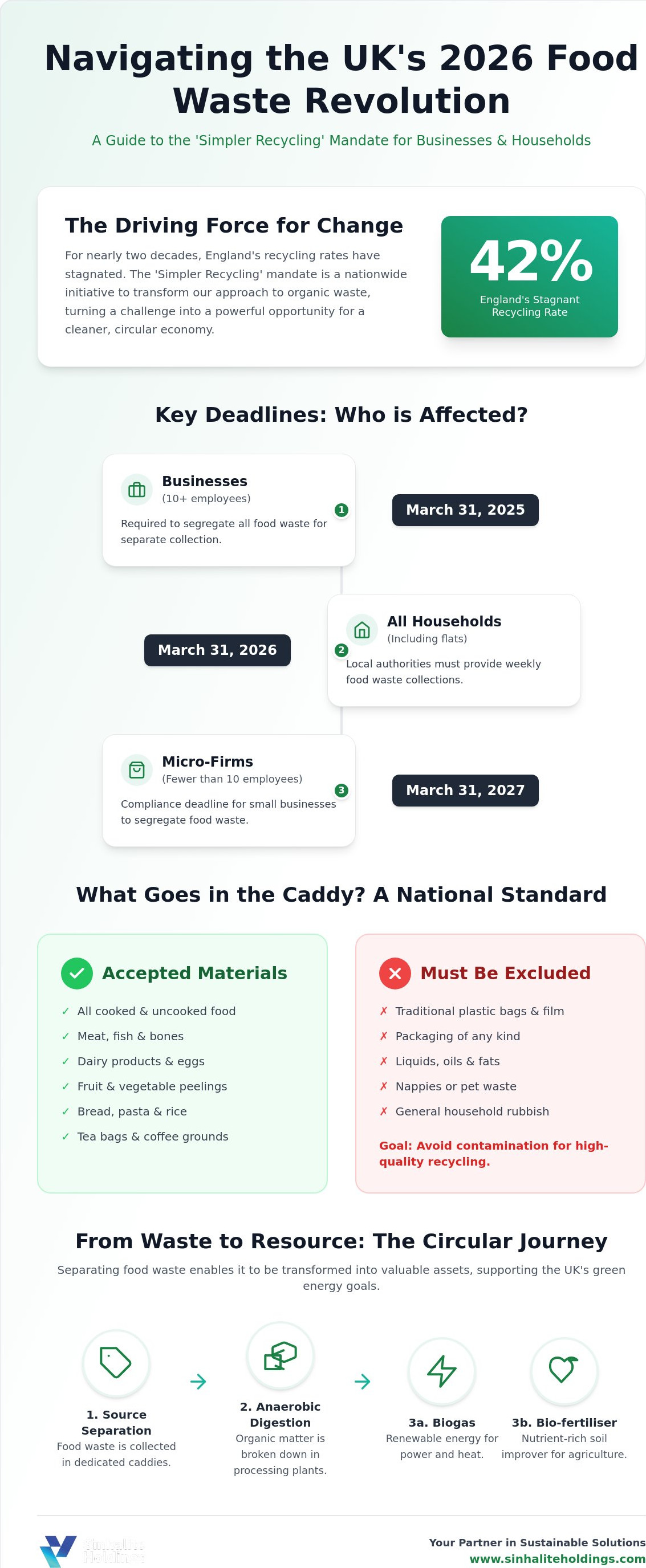
The Simpler Recycling reform represents a significant shift in how the UK manages its organic resources. By the deadline of March 31, 2026, the government requires all local authorities in England to provide weekly food waste collections. This initiative is designed to standardise recycling across the country, moving away from the fragmented systems of the past. Having these council food waste collection rules explained is essential for understanding how our daily habits contribute to a broader circular economy. It's a proactive step toward ensuring that every household and business can play a role in environmental stewardship.
Historically, a substantial portion of organic waste has ended up in landfill sites. Examining the history of UK food waste reveals that millions of tonnes have been discarded annually, contributing to environmental degradation. By separating food waste at the source, we enable anaerobic digestion plants to convert this material into biogas and fertiliser. This process turns a previous liability into a functional asset; it supports the UK’s transition toward carbon neutrality and responsible resource management.
To better understand how these new services work in practice, watch this helpful video:
Who is Affected by the 2026 Rules?
The new regulations apply broadly to ensure maximum impact. Every household in England, including those in flats and communal properties, will have access to these services by the 2026 deadline. For the commercial sector, the timeline is even more immediate. Businesses with 10 or more full-time employees were required to segregate food waste by March 31, 2025. Micro-firms with fewer than 10 employees have until March 31, 2027, to comply. This also includes public sector entities like schools and hospitals, ensuring that large-scale food preparation areas align with modern ethical standards.
The Role of Local Authorities
Local councils are the primary facilitators of this systemic change. While individual councils previously had different policies, the Simpler Recycling mandate forces a standardised approach. Most residents can expect the delivery of two specific tools: a small internal kitchen caddy for daily use and a larger, lockable external bin for collection day. Councils are responsible for ensuring these collections occur weekly, providing a reliable service that encourages high participation rates. To maintain these bins, many organisations now utilise high-quality compostable caddy bags. These solutions ensure the process remains hygienic and efficient, directly supporting the goal of reducing plastic contamination in the organic waste stream.
What Goes in the Caddy? A National Standard for Food Waste Disposal
Achieving a high-purity waste stream is the foundation of a successful circular economy. As the council food waste collection rules explained in our introductory section take effect, understanding the national standard for accepted materials becomes a priority for every organisation. The goal is to ensure that only organic matter enters the anaerobic digestion process, preventing the degradation of the resulting bio-fertilisers. This clarity allows businesses to align their daily operations with long-term ecological responsibility.
The national standard includes all cooked and uncooked food waste, such as meat, fish, bones, dairy products, eggs, fruit and vegetable peelings, bread, pasta, rice, tea bags, and coffee grounds. However, "hidden" plastics often compromise these efforts. Conventional plastic clingfilm is a frequent contaminant that cannot be processed alongside organics. To maintain the integrity of your collection, transitioning to certified compostable food waste solutions is a practical step that aligns with modern environmental standards and simplifies the segregation process for staff.
Accepted Materials for Your Weekly Collection
Efficiency in waste management starts with clear segregation at the point of disposal. Your collection should focus on:
- Preparation waste: Peels, cores, and stalks from food production or kitchen prep.
- Plate scrapings: Leftover food from staff canteens or residential dining areas.
- Out-of-date food: Products that have passed their use-by dates, removed from all packaging.
Small amounts of used kitchen paper and certified compostable liners are also permitted, as these break down naturally without leaving microplastics behind. Adhering to caddy and container best practices ensures that these materials are stored hygienically until collection day, supporting a seamless transition to the new mandates.
Prohibited Items and Contamination Risks
Non-organic materials are the primary challenge for recycling facilities. Traditional plastic bags, metal foil, and glass must never enter the food waste caddy. Even small amounts of traditional plastic can ruin an entire batch of compost or clog anaerobic digestion machinery. Liquids like milk, oil, or soup should also be excluded; these cause leaks and odours that undermine the success of your recycling programme. Similarly, pet waste must remain in the general refuse stream to avoid biological contamination. By focusing on high-purity organic input, businesses can guarantee their waste contributes to renewable energy production rather than landfill growth.
Optimising Your Collection: Liners, Hygiene, and Best Practices
Implementation is where environmental policy meets daily operational reality. Having the council food waste collection rules explained helps you understand the legal requirements, but managing a physical waste stream requires a focus on hygiene and practical efficiency. Preventing odours and pests is a primary concern for many businesses and residents. By adopting high-quality compostable caddy bags, you ensure leak-proof disposal that keeps indoor environments pristine while supporting the national recycling effort.
To achieve a truly zero-plastic waste stream, look beyond the bin itself. Replacing traditional plastic wraps with compostable clingfilm uk eliminates a major source of contamination at the source. It's also vital to verify the integrity of your supplies. Understanding the OK compost HOME certification explained in our detailed guide allows you to select liners that are guaranteed to break down safely. This alignment with the UK government's Simpler Recycling policy ensures your organisation remains a leader in responsible innovation.
Maintaining Food Caddy Hygiene
Regular maintenance is the key to a successful food waste programme. Most councils provide external bins with a lockable lid feature; this is designed specifically to prevent urban pests from accessing the waste. Indoors, using puncture resistant compostable garbage bags provides a reliable barrier against leaks and tears during the transfer to outdoor collection points. This simple choice prevents messy spills and reduces the need for constant bin washing, making the process much more manageable for staff.
Choosing the Right Compostable Solutions
Professional-grade compostable solutions offer a higher standard of durability than generic supermarket "biodegradable" options, which often fragment into microplastics. For organisations, switching business to sustainable packaging is a strategic move that prepares you for the 2026 mandates while reinforcing your brand’s commitment to integrity. By choosing certified products, you contribute to a cleaner, more efficient circular economy that benefits the entire community. Taking these steps today ensures a seamless transition to a greener future.
Leading the Way to a Circular Future
The transition to mandatory weekly food waste collections by March 31, 2026, represents a significant step toward systemic environmental change. Having the council food waste collection rules explained ensures that your organisation is prepared to turn a regulatory requirement into a meaningful contribution to the circular economy. By segregating organic material, you directly support the production of renewable biogas and bio-fertilisers, reducing the environmental burden of landfill sites across the country.
Maintaining high standards of hygiene and durability is essential for long-term success. As a specialist UK provider of sustainable packaging, we provide the tools needed to make this transition seamless. Our TUV Austria OK compost HOME certified products offer puncture-resistant and leak-proof designs that outperform traditional plastic alternatives. Explore our range of certified compostable caddy bags and liners to discover how high-quality, responsible innovation can simplify your waste management. Let's work together to build a more sustainable future through practical, immediate action.
Frequently Asked Questions
Can I use ordinary plastic bags as liners for my food waste caddy?
You should avoid using traditional plastic bags because they don't break down and can contaminate the entire organic waste stream. While some local authorities have the technology to mechanically strip liners, many facilities require certified compostable caddy bags to ensure a high-purity output. Using compostable alternatives supports a cleaner circular economy by preventing microplastics from entering the bio-fertilisers used on British farmland.
When exactly do the new food waste collection rules start in England?
The final deadline for local authorities to provide weekly food waste collections to all households is March 31, 2026. As the council food waste collection rules explained in recent government updates indicate, this nationwide rollout ensures consistency across the country. Many councils are already transitioning to these services ahead of the deadline to meet their environmental targets.
Do the 2026 rules apply to people living in flats or communal buildings?
Yes, the Simpler Recycling mandate explicitly includes residents living in flats and communal properties. Local authorities are responsible for providing the necessary infrastructure, such as shared external bins, to make food waste recycling accessible for high-density housing. This inclusive approach is vital for capturing the organic waste that was previously lost to landfill from urban areas.
What happens to the food waste after the council collects it?
Most collected food waste is sent to anaerobic digestion plants where it's broken down by microorganisms in an oxygen-free environment. This process generates biogas, which is used to produce renewable energy, and a nutrient-rich digestate. This digestate serves as a sustainable alternative to chemical fertilisers, completing the loop from kitchen scrap back to agricultural resource.
How can I stop my indoor food waste caddy from smelling?
The most effective way to prevent odours is to use high-quality compostable liners and empty your caddy every two to three days. Keeping the caddy in a cool, shaded area away from direct sunlight also slows down the decomposition process. For a more hygienic experience, ensure the lid is always securely closed and consider using a caddy with a built-in carbon filter to neutralise any lingering scents.
Is it mandatory for businesses to have a separate food waste collection?
Yes, it's already mandatory for many. The council food waste collection rules explained through the Simpler Recycling framework make it mandatory for businesses with 10 or more employees to segregate food waste as of March 31, 2025. Micro-firms with fewer than 10 employees have a slightly longer transition period; their final compliance deadline is March 31, 2027.


