
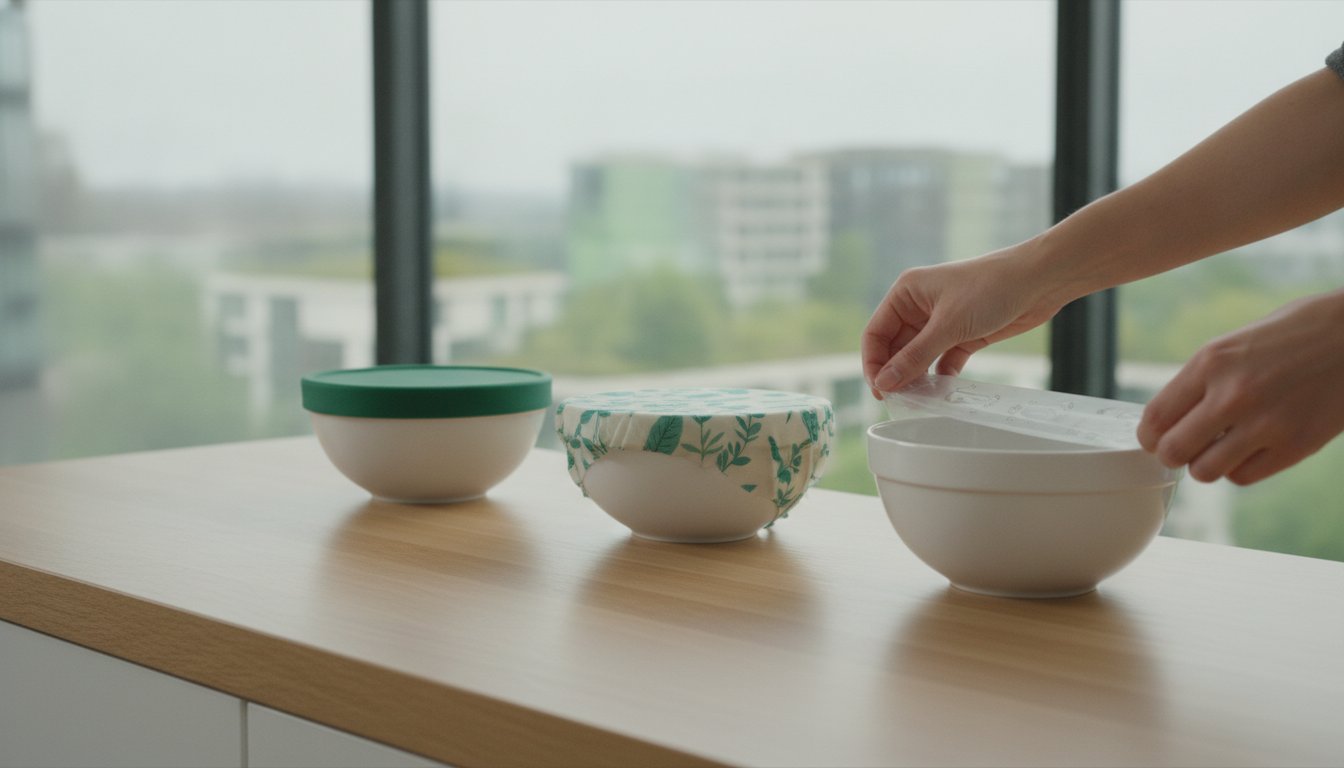
Did you know that the recycling rate for plastic film has plummeted to just 5%? For many UK businesses and households, the struggle of how to cover bowls without plastic wrap isn't just about finding a better seal; it's about escaping a cycle of immediate waste and potential chemical leaching. You likely feel the frustration when traditional film refuses to stick or creates a tangled mess that ends up straight in the bin. It's a common pain point that no longer aligns with the professional standards required in a modern, responsible kitchen.
In this guide, you'll discover practical, eco-friendly alternatives that maintain food freshness while actively supporting a plastic-free UK circular economy. We'll examine how transitioning to certified compostable solutions and innovative reusable lids can streamline your routine and meet new regulatory requirements, such as the EU's Packaging and Packaging Waste Regulation. This is your roadmap to food storage that prioritises both high-performance utility and environmental stewardship.
Key Takeaways
- Transition your operations toward a circular economy by adopting high-performance materials that eliminate the need for traditional single-use plastics.
- Discover the most effective techniques for how to cover bowls without plastic wrap, ranging from durable reusable lids to innovative compostable films.
- Identify the importance of OK compost HOME certification to ensure your food storage solutions are genuinely sustainable and free from microplastic contamination.
- Learn how to implement sustainable storage at scale by balancing kitchen efficiency with modern environmental stewardship goals and ESG commitments.
Effective Ways to Cover Bowls Without Plastic Wrap
Transitioning away from traditional cling film is a vital step for any business or household committed to environmental stewardship. Learning how to cover bowls without plastic wrap effectively involves a strategic mix of reusable lids, natural barriers, and high-performance certified compostable films. These methods successfully prevent moisture loss and oxidation while ensuring food remains free from microplastic contamination. Adopting sustainable bowl covers directly supports the UK's transition to a circular economy by keeping valuable materials in use and eliminating the leakage of non-recyclable waste into our natural systems.
To better understand how you can create your own reusable solutions at home, watch this helpful video:
The Environmental and Health Case for Ditching Cling Film
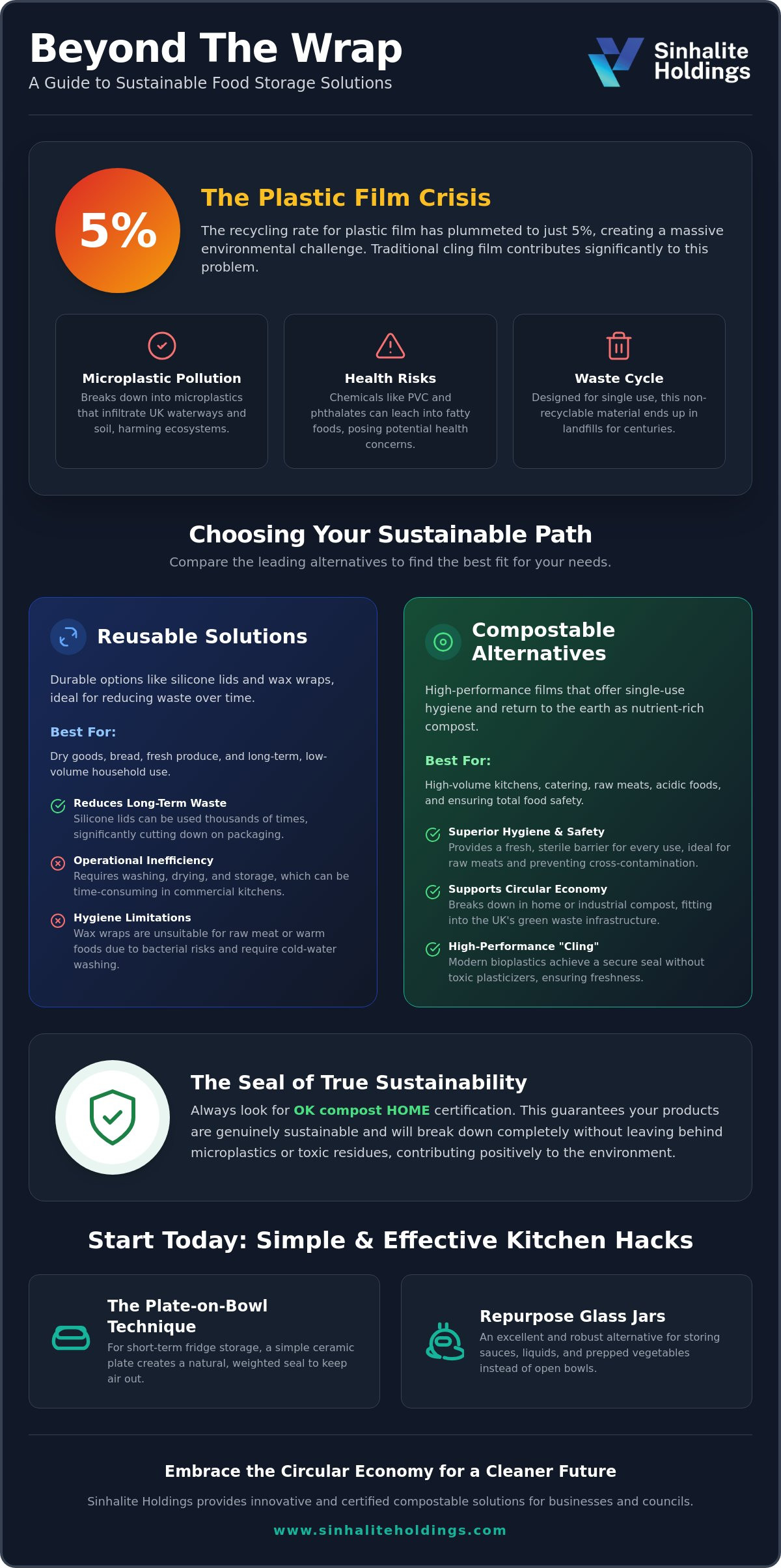
Traditional cling film is often manufactured with PVC and phthalates. These chemicals can leach into fatty foods, especially during heating or long-term contact. Beyond personal health, the environmental toll is staggering. Since non-recyclable films persist for centuries, they break down into microplastics that infiltrate UK waterways. It's crucial to distinguish between 'biodegradable' and 'compostable' labels. While the former is often a vague, unregulated marketing term, 'compostable' products must meet strict standards to ensure they break down without leaving toxic residues in the environment.
Immediate Kitchen Hacks for the UK Household
For those beginning their sustainability journey, simple 'no-cost' methods are highly effective. The 'Plate-on-Bowl' technique is perfect for short-term fridge storage; a ceramic plate creates a natural weighted seal that keeps air out. Additionally, repurposing glass jars for sauces or prepped vegetables provides a robust alternative to open-bowl storage. Understanding the foundational principles of food storage allows users to see that high-performance solutions don't always require complex equipment. These immediate hacks serve as an ideal entry point for anyone learning how to cover bowls without plastic wrap before they scale up to commercial-grade compostable alternatives.
Comparing Reusable vs. Compostable Bowl Covers
Evaluating options for how to cover bowls without plastic wrap requires a balance of hygiene and efficiency. While many consumer blogs focus on aesthetics, businesses must prioritise food safety and operational speed. Reusable options like beeswax and vegan wax wraps are excellent for bread and fresh produce. They create a breathable barrier that keeps food from sweating. However, they require cold-water washing to preserve the wax coating and are generally unsuitable for raw meat or warm items due to bacterial risks.
Silicone stretch lids provide a durable, airtight seal that mimics the functionality of traditional lids. They withstand thousands of uses, though they require significant energy to manufacture. For high-volume environments, the time cost of cleaning and drying these reusables often outweighs their initial appeal. Choosing between these options depends on your specific kitchen volume and the types of food you store most frequently.
When to Choose Reusable Silicone or Wax Wraps
These tools are ideal for dry goods or items that don't leave behind strong odours. Proper maintenance is essential. Moisture trapped in the folds of a wax wrap can lead to mould growth, which compromises food quality. Integrating these items effectively is a key component of a switching business to sustainable packaging framework, ensuring that each choice aligns with your specific operational needs and storage timelines.
The Rise of High-Performance Compostable Cling Film
Compostable cling film represents a significant innovation for catering and commercial food preparation. Modern bioplastics achieve a high-performance "cling" factor without the use of toxic plasticizers, providing a secure barrier for raw meats and acidic foods. This material offers the hygiene of single-use products with the environmental integrity of a circular economy. It's the superior choice for kitchens that require speed and total food safety. Compostable wrap is designed to break down in home or industrial compost heaps, fitting perfectly into the UK's green waste infrastructure.
For a deeper dive into these materials, consult The Ultimate Guide to Compostable Clingfilm in the UK. Knowing how to cover bowls without plastic wrap correctly ensures you meet modern ESG standards while protecting your bottom line. You can explore our range of certified compostable food storage solutions to find the perfect fit for your organisation.
Implementing Sustainable Food Storage at Scale
Scaling sustainable practices within a commercial kitchen requires a strategy that balances operational speed with environmental integrity. While individual households might experiment with various kitchen hacks, organisations need reliable, high-performance tools to solve the problem of how to cover bowls without plastic wrap at scale. Integrating compostable films into your existing food waste caddy system allows for seamless disposal, as these materials can be processed alongside organic waste. An OK compost HOME certification ensures a product breaks down in a domestic compost heap, providing a versatile end-of-life solution that avoids the complexities of industrial-only processing.
Choosing Certified Compostable Solutions for UK Businesses
Verification is the most effective defence against "greenwashing" in the procurement process. Businesses should specifically look for the TUV Austria and OK compost HOME symbols to guarantee material performance and ecological safety. Utilizing commercial compostable cling film provides the necessary stretch and seal for high-volume prep without the environmental burden of traditional plastics. These certified alternatives also assist organisations in remaining compliant with the UK Plastic Packaging Tax; they replace non-recycled single-use plastics with responsibly sourced, plant-based materials that support a circular economy.
Next Steps: Auditing Your Kitchen Waste
A successful transition begins with a clear understanding of current consumption patterns. Conduct a plastic audit by tracking where cling film is most frequently used over a typical week. Use this data to set realistic phase-out goals, aiming for a fully plastic-free food storage system by the end of 2026. This methodical approach ensures your team adapts to new workflows without compromising hygiene or efficiency. You can start this journey today when you explore Sinhalite's range of certified compostable cling film and discover how practical how to cover bowls without plastic wrap can be for your organisation.
Leading the Transition to Plastic-Free Food Storage
Transitioning your food storage operations is more than a logistical change; it's a commitment to a healthier, more transparent future. You now have a comprehensive framework for how to cover bowls without plastic wrap by combining immediate kitchen hacks with professional-grade certified materials. By choosing solutions that are PFAS-free and non-toxic, you protect both your consumers and the environment from the persistent threat of microplastic pollution and chemical leaching. This proactive shift ensures your organisation remains ahead of evolving UK regulations while maintaining the highest standards of food safety.
Embracing the circular economy requires action that is both practical and scalable. High-performance compostable films offer the same utility as traditional plastics while ensuring a clean end-of-life disposal through domestic and commercial composting systems. Our OK compost HOME certified products are specifically designed to support the UK circular economy, providing the durability your kitchen demands without the environmental cost. The tools for a greener, more efficient future are already within your reach.
Switch to High-Performance Compostable Cling Film Today and lead your organisation toward a responsible, sustainable tomorrow.
Frequently Asked Questions
Can I use a tea towel to cover bowls instead of plastic wrap?
You can use a tea towel for short-term covering of bread or dry goods, but it isn't an airtight solution. It fails to prevent oxidation or moisture loss, making it unsuitable for most refrigerated items. For professional standards, towels don't meet the hygiene requirements necessary for high-risk food storage because they are porous and can harbour bacteria if not laundered at high temperatures.
Are beeswax wraps hygienic for covering raw meat or fish?
Beeswax wraps are not recommended for raw meat or fish because they cannot be washed in hot water. High temperatures melt the protective wax coating, yet cold water is insufficient to kill the pathogens associated with raw animal products. In commercial settings, using certified compostable film is a safer, more hygienic way to manage high-risk ingredients while maintaining environmental standards.
What is the best microwave-safe alternative to cling film?
A ceramic plate or a certified compostable cling film are the most effective microwave-safe alternatives. While silicone lids are often used, they can become excessively hot and difficult to handle safely. High-performance compostable films are engineered to withstand steam and heat while protecting your food from splashes and maintaining essential moisture levels during the heating process.
How do I dispose of compostable cling film in the UK?
If your film is OK compost HOME certified, you can place it directly into your domestic compost heap or a local authority food waste caddy. In the UK, checking your council's specific guidelines is essential, though most systems now support certified materials. This ensures the material returns to the earth as nutrient-rich soil rather than persisting as waste in a landfill.
Does compostable cling film actually stick to glass bowls?
Modern compostable cling film is engineered to stick effectively to glass, ceramic, and stainless steel surfaces. Manufacturers have developed plant-based resins that provide the necessary "cling" factor without relying on traditional plasticizers. This makes it a reliable choice for anyone researching how to cover bowls without plastic wrap while requiring a secure, airtight seal for professional food prep.
Is it cheaper to use reusable lids or compostable wrap in the long run?
Reusable lids involve a higher initial investment and ongoing labour costs for washing and sanitising. For large organisations or busy kitchens, compostable wrap is often more cost-effective because it eliminates the time-intensive cleaning cycle. It provides a scalable method for how to cover bowls without plastic wrap that maintains high operational efficiency and supports modern ESG targets without the overhead of reusable maintenance.


