
What if the very technology designed to protect the planet is failing in your stockroom because of a simple environmental oversight? Many businesses find that their transition to plastic-free waste management is hindered by liners splitting or bags sticking together before they ever reach a bin. It's a common frustration that often stems from treating biological materials like inert plastic. Learning how to store compostable bin liners correctly is essential for any organisation looking to protect their investment and ensure operational reliability.
You've likely chosen compostable options to align with modern standards, such as the EU's Packaging and Packaging Waste Regulation or the mandatory separation rules now active in major global hubs. We'll help you safeguard that choice by explaining the precise atmospheric conditions required to keep plant-based resins strong. This article provides a clear roadmap for maintaining the shelf life of your stock, reducing waste from degraded products, and ensuring your team can rely on the performance of every bag they pull from the box.
Key Takeaways
- Understand the biological composition of bioplastics and why environmental triggers like heat and moisture necessitate specific storage protocols.
- Discover how to store compostable bin liners within a stable temperature range of 15°C to 25°C to maximise their structural performance.
- Recognise the importance of the 12 to 18-month shelf life window to ensure your liners remain durable for commercial and domestic use.
- Learn to implement a First-In, First-Out (FIFO) inventory system that prevents stock expiration and reduces wasted procurement budgets.
- Align your ordering frequency with actual operational requirements to maintain a fresh supply of high-performance compostable solutions.
The Science of Bioplastics: Why Storage Matters for Compostable Liners
Compostable bin liners represent a significant leap in material innovation. Unlike traditional polyethylene, which remains inert for centuries, these liners are designed to be "bio-assimilated" by microorganisms. To understand The Science of Bioplastics, we must recognise that these products are technically active. They are engineered to break down under specific conditions, meaning their structural integrity relies on the absence of those triggers during storage.
When we discuss how to store compostable bin liners, we are really discussing how to prevent a premature composting process. If your storage area mimics the humid, warm environment of a compost pile, the liners will begin their end-of-life cycle while still in the box. A vital part of managing this risk is understanding the material composition, specifically exploring do compostable bags contain plastic. This knowledge empowers businesses to treat these items as biological stock rather than industrial hardware.
To better understand the practical application of these durable solutions, watch this helpful video:
Biological Triggers: Moisture, Heat, and UV
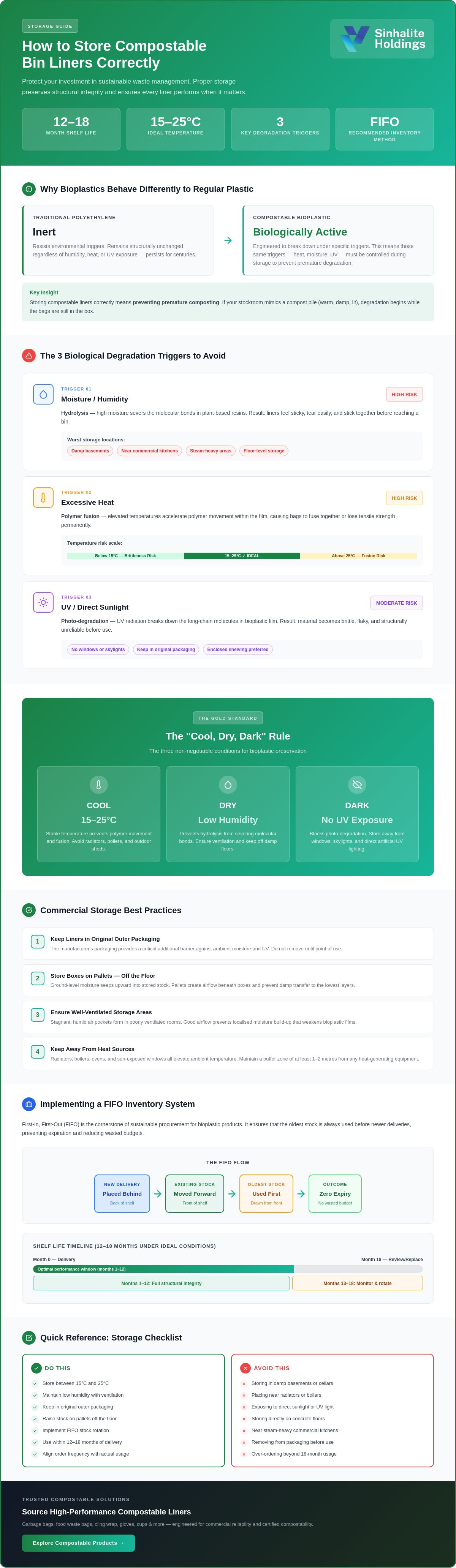
Humidity is perhaps the most persistent threat to compostable stock. High moisture levels initiate a process called hydrolysis. This chemical reaction begins to sever the molecular bonds of the plant-based resins, leading to liners that feel sticky or tear easily. Maintaining a dry environment is the first line of defence against this structural failure.
Temperature fluctuations also play a critical role. High heat accelerates the movement of polymers within the bag's material, often causing them to fuse together or lose their tensile strength. Similarly, photo-degradation occurs when liners are exposed to direct sunlight. UV radiation breaks down the long-chain molecules, making the material brittle and flaky. These environmental factors explain why precise storage isn't just a recommendation; it's a requirement for performance.
Optimal Storage Conditions for Maximum Shelf Life
Achieving the full potential of your eco-friendly investment requires a disciplined approach to climate control. High-quality compostable liners typically offer a shelf life of 12 to 18 months, provided they are kept in a stable environment. To maintain structural performance, storage areas must be kept at a steady temperature, ideally between 15°C and 25°C. Fluctuations outside this range can compromise the bioplastic film, leading to premature brittleness and a loss of tensile strength.
Humidity management is equally vital. Excess moisture in the air acts as a catalyst for degradation, so it is essential to avoid storing liners in damp basements or near steam-heavy commercial kitchens. Understanding Optimal Storage Conditions for Maximum Shelf Life involves recognising that these materials are designed for industrial composting environments where heat and moisture are intentionally high. The "Cool, Dry, Dark" rule serves as the gold standard for bioplastic preservation, ensuring that environmental triggers remain dormant until the liner is actually in use.
Commercial Storage Best Practices
For businesses managing large inventories, small operational adjustments yield significant results. Adhering to these protocols helps in mastering how to store compostable bin liners effectively across warehouse and office environments:
- Keep liners in their original outer packaging to provide an extra barrier against ambient moisture.
- Store boxes off the floor on pallets to prevent ground dampness from seeping into the lower layers of stock.
- Ensure storage areas are well-ventilated to prevent the formation of stagnant, humid air pockets that could weaken the material.
What to Avoid: Common Storage Mistakes
Avoiding common pitfalls is the most effective way to ensure your compostable garbage bags remain reliable and strong. Heat and light are the primary enemies of bioplastic integrity. Never store sacks near heat sources like radiators, boilers, or industrial ovens, as this direct thermal energy can fuse the bags together. Similarly, avoid direct sunlight exposure, as UV rays accelerate the breakdown of the bioplastic film. Finally, don't remove liners from their protective sleeves until they are ready for immediate use, as the sleeve provides a final layer of defence against environmental degradation.
Implementing a Sustainable Procurement and Inventory Strategy
Effective waste management extends beyond the bin; it begins in the procurement office. To truly master how to store compostable bin liners, organisations must integrate climate-controlled storage with a robust inventory rotation system. Adopting a First-In, First-Out (FIFO) strategy ensures that older stock is utilised before it reaches the end of its 12 to 18-month performance window. This methodical approach prevents the accumulation of expired products and ensures that every liner maintains its intended strength and integrity.
Verification of material quality is equally important for long-term reliability. Businesses should prioritise products that carry the OK compost HOME certification explained in our recent guide, as this ensures the material meets rigorous standards for biodegradation. Partnering with specialists like Sinhalite Holdings allows access to high-performance, puncture resistant compostable garbage bags that are specifically engineered for the demands of commercial environments. Industry experts emphasise that proper storage of compostable bags is a shared responsibility between the supplier and the end-user, requiring a strategic alignment of supply and demand.
Managing Bulk Orders for UK Organisations
UK organisations often benefit from bulk purchasing, but this requires careful facility evaluation. Before committing to high-volume orders, assess your storage capacity to ensure the "Cool, Dry, Dark" rule can be maintained at scale. Understanding how to store compostable bin liners within a commercial setting involves more than just finding a shelf; it requires a commitment to protecting the material from environmental triggers.
Training staff on the biological nature of these liners is also vital. Unlike traditional plastic, un-used bioplastics require gentler handling to avoid micro-tears before they are deployed. This transition is a key component of switching business to sustainable packaging, a move that strengthens a company's ESG profile while providing practical, scalable waste solutions for a circular economy.
Securing the Future of Your Sustainable Waste Strategy
Maintaining the performance of your eco-friendly inventory is a strategic necessity for any responsible organisation. By mastering the environmental triggers of bioplastics and adhering to the "Cool, Dry, Dark" rule, you ensure that every bag remains as strong as the day it was manufactured. Implementing a First-In, First-Out (FIFO) system further protects your budget from the costs of expired stock. Understanding how to store compostable bin liners correctly transforms a simple procurement choice into a reliable, scalable waste management solution.
Sinhalite Holdings acts as a dedicated partner in your journey toward plastic-free operations. We provide high-strength, puncture-resistant bioplastic technology designed to withstand the rigours of commercial use. As a specialist UK supplier of certified compostable solutions, we offer the expert guidance required to make your environmental commitments both practical and permanent.
Explore our range of high-performance compostable liners at Sinhalite Holdings and strengthen your commitment to a cleaner, greener future. Every small adjustment in how we manage our resources brings us closer to a truly circular economy. Let's build a sustainable legacy together through innovation and integrity.
Frequently Asked Questions
How long do compostable bin liners last if unused?
High-quality compostable liners typically have a shelf life of 12 to 18 months from the date of manufacture. This timeframe ensures the bioplastic maintains the tensile strength required for demanding commercial waste management. To reach the full 18-month potential, it's essential to follow expert guidance on how to store compostable bin liners, specifically by keeping them in a climate-controlled environment away from environmental triggers.
Can I store compostable bags in a garage or outdoor shed?
Storing compostable bags in unheated garages or outdoor sheds isn't recommended because these areas lack consistent climate control. Fluctuations in temperature and high humidity levels can prematurely initiate the biodegradation process, leading to brittle or fused liners. For businesses and councils, it's much safer to utilise an internal stockroom that remains dry and falls within the ideal 15°C to 25°C temperature range.
What happens if compostable liners get wet before use?
If compostable liners are exposed to moisture before use, a chemical process called hydrolysis begins to break down the molecular bonds of the plant-based resins. This reaction significantly reduces the liner's structural integrity, often making it prone to splitting when under load. If a box of liners becomes damp, it's best to inspect them for signs of weakness before deploying them in a commercial setting to avoid accidental waste spills.
Is it safe to use compostable liners that have started to feel sticky?
A sticky texture is a clear indication that the bioplastic has begun to degrade, usually due to excessive heat or moisture exposure. While they aren't hazardous, their performance is compromised and they may no longer meet the strength standards needed for heavy garbage or food waste. We recommend using these liners only for very light waste or testing a single bag's strength before committing to a full operational shift across your organisation.


