
Over 50% of UK consumers are now willing to pay a premium for truly sustainable party options, signaling a permanent shift away from the era of disposable celebrations. Most hosts share a common frustration: watching party bags filled with brittle plastic toys break before the guests even reach the car. You want to provide a memorable experience that reflects your values, but the confusion between "eco-friendly" marketing and truly compostable materials often makes planning feel like a regulatory minefield. It's time to move beyond temporary fixes toward systemic, responsible choices.
This guide will show you how to curate high-quality, plastic-free party bag fillers and implement eco friendly food wrapping for parties that meets the UK’s 2026 sustainability standards. We'll explore durable alternatives to single-use plastics, from plant-based packaging to certified compostable bags. You'll gain a clear waste management plan that supports a circular economy while ensuring your event remains both sophisticated and environmentally responsible. Transitioning to a zero-waste celebration is no longer just an ideal; it's a practical, scalable reality for modern hosts.
Key Takeaways
- Transition from low-quality plastic fillers to high-impact, sustainable party favours that align with modern UK environmental standards.
- Discover how to use eco friendly food wrapping for parties and compostable food roller bags to portion treats without contributing to landfill waste.
- Select durable, long-lasting gifts such as bamboo toothbrushes and wooden toys that offer genuine utility beyond the initial celebration.
- Replace traditional plastic party bags with high-performance compostable shopping bags that serve as both a gift container and a functional household item.
- Streamline event cleanup by integrating compostable caddy bags into your waste management plan to support the UK’s circular economy requirements.
Beyond the Plastic Tat: Why UK Events are Switching to Sustainable Party Favours
Adopting plastic-free party bags represents a holistic shift in how we approach gifting and waste reduction. It isn't merely about replacing a single toy; it's about ensuring every element of the celebration, from the container to the contents, aligns with environmental stewardship. In 2026, the UK has reached a tipping point where conscious celebration is the standard rather than the exception. This transition is driven by a profound sense of responsibility toward our local ecosystems and a desire to eliminate the "tat" that often ends up in landfill within hours of an event's conclusion.
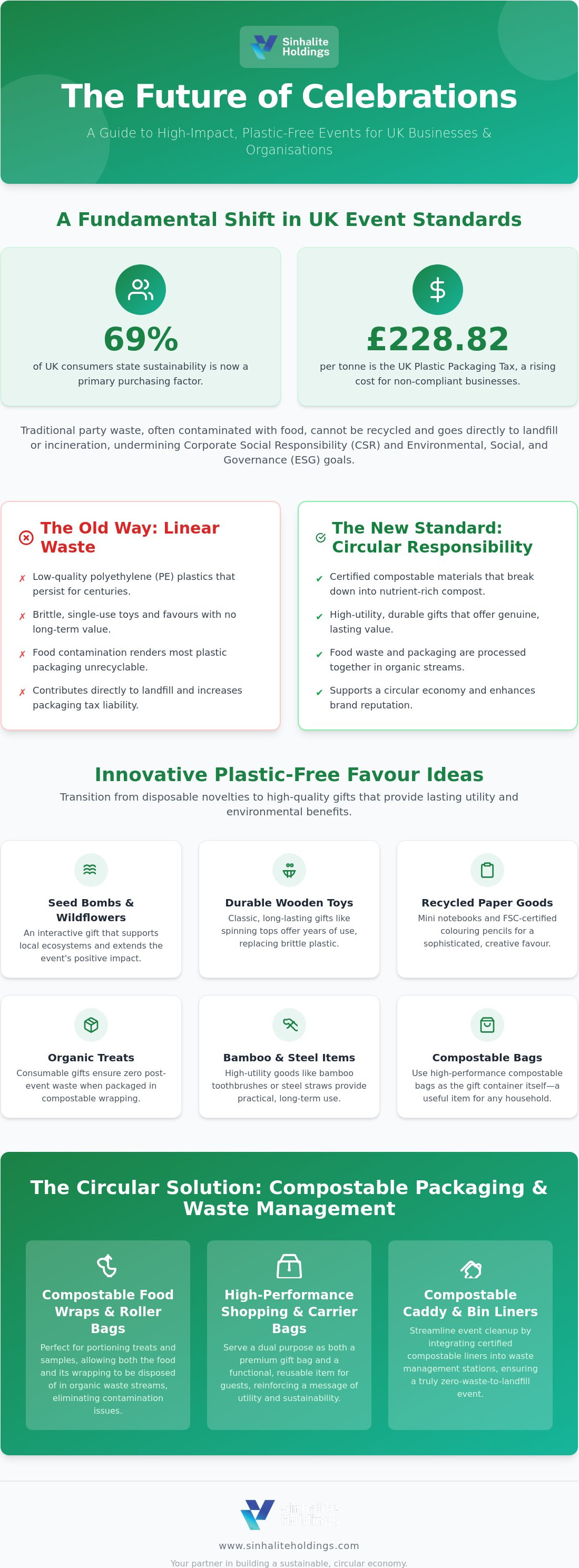
The environmental cost of traditional polyethylene (PE) plastic favours is staggering, as these materials persist in the environment for centuries. Even when organisers attempt to use recyclable plastics, the reality of the party environment often thwarts these efforts. Using Sustainable packaging is no longer optional for those who wish to avoid the rising costs of the UK Plastic Packaging Tax, which reached £228.82 per tonne in April 2026. Choosing high-quality, plant-based alternatives ensures that your event supports a cleaner future without sacrificing the joy of the occasion.
To better understand this concept, watch this helpful video:
The circular economy in UK event planning is a regenerative system where resources are kept in use for as long as possible, and all materials, including eco friendly food wrapping for parties, are designed to return to the earth as nutrient-rich compost. By integrating compostable solutions, you ensure that the materials you introduce into the system have a purposeful end-of-life path.
The Environmental Impact of Single-Use Party Waste
Sustainability is now a primary purchasing factor for 69% of UK consumers, according to a 2023 study. This demand is a reaction to the massive volume of waste generated by corporate and private events. Traditional plastic bags and wraps often fail in these settings because food contamination makes them impossible to recycle. When grease or cake residue touches standard plastic, it renders the material unprocessable, leading to incineration. Certified compostable options solve this by allowing food and packaging to be processed together in organic waste streams.
Meeting CSR and ESG Goals for Professional Organisers
For professional organisers, the choice of materials is a direct reflection of brand integrity. Adopting plastic-free solutions helps organisations meet stringent Environmental, Social, and Governance (ESG) targets while enhancing their reputation among eco-conscious clients. Many leaders are now switching business to sustainable packaging to ensure their operations remain resilient and compliant with evolving UK regulations. By choosing eco friendly food wrapping for parties, such as compostable food roller bags, you demonstrate a commitment to innovation that resonates with a visionary audience.
Innovative Plastic-Free Party Bag Ideas for 2026
Selecting party favours that resonate with guests requires a move toward items that offer genuine utility or environmental benefit. In 2026, the trend has shifted from disposable novelties to consumable delights and nature-focused gifts. Seed bombs and UK-native wildflower packets provide an interactive experience that extends the life of the event into the guest's garden. Similarly, organic treats packaged using eco friendly food wrapping for parties ensure that the enjoyment is immediate but the waste is non-existent. These choices reflect a commitment to systemic change rather than superficial fixes.
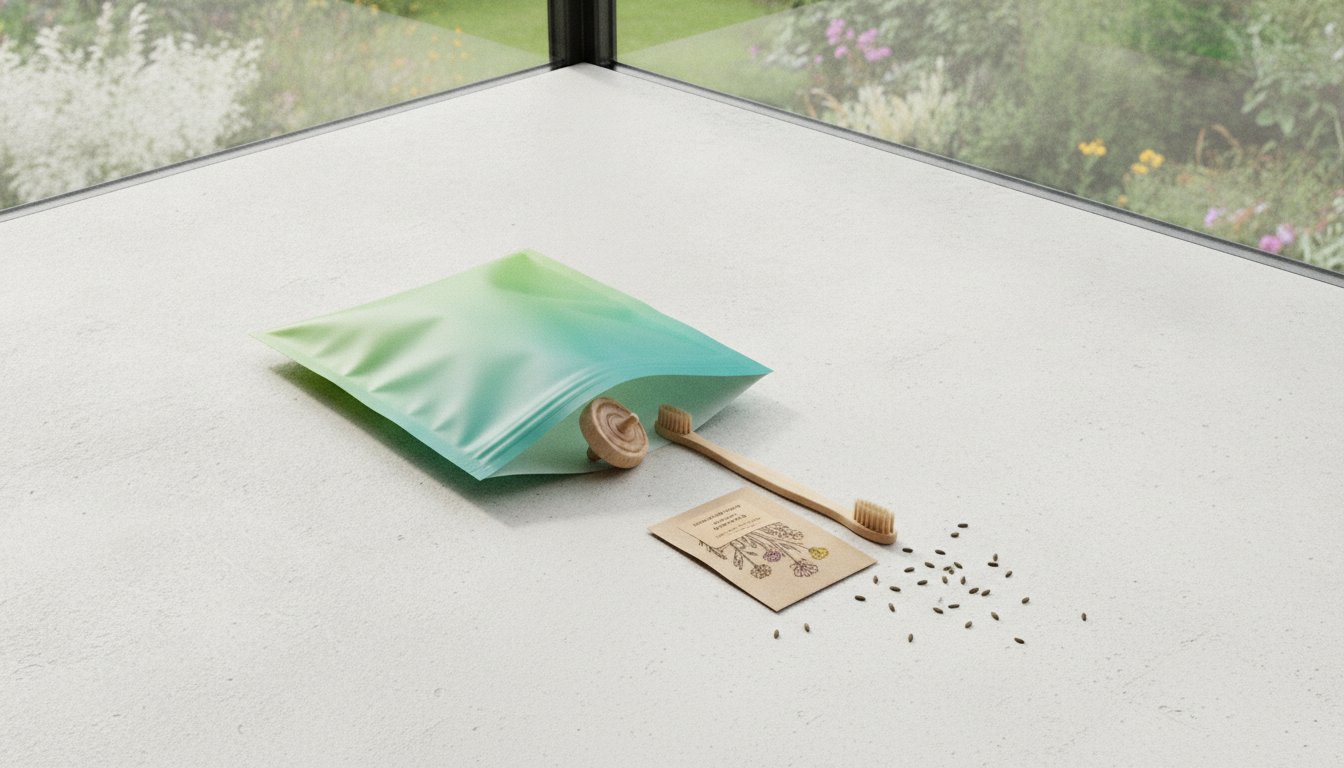
Long-lasting utility is another cornerstone of a modern celebration. Items like bamboo toothbrushes, wooden spinning tops, and stainless steel straws provide years of use, contrasting sharply with the brittle plastic toys of the past. For those seeking creative outlets, mini notebooks made from recycled paper paired with FSC-certified colouring pencils offer a sophisticated alternative that appeals to both children and professional attendees. These high-performance alternatives prove that sustainability doesn't require a sacrifice in quality or fun.
Budget-Friendly Fillers Under £1
Councils and educational institutions often face the challenge of sourcing sustainable items at scale. By prioritising bulk purchases of wildflower seeds or natural clay modelling sets, organisers can maintain high standards while staying within tight budgets. It's often more impactful to provide two high-quality items rather than a bag full of low-value items that might breach UK regulations on single-use plastics. This "fewer but better" strategy reduces total waste while increasing the perceived value of the gift.
Premium and Corporate Party Favour Ideas
For high-end corporate events, bespoke branded items like grow-your-own herb kits or premium stainless steel sets align with corporate social responsibility goals. When distributing artisanal snacks or organic confectionery, using compostable food roller bags allows for professional portioning without the environmental guilt of traditional film. Exploring these compostable solutions ensures your brand remains a leader in responsible innovation. This approach transforms a simple party favour into a statement of professional integrity and forward-thinking leadership.
The Circular Solution: Compostable Wrapping and Event Waste Management
While selecting the right fillers is essential, the container itself often represents a missed opportunity for waste reduction. Many organisers rely on flimsy paper bags that tear easily or lack the strength required for heavier items. Transitioning to durable compostable shopping bags provides a high-performance alternative that guests can reuse at home before eventually composting. This choice ensures the packaging serves a functional purpose throughout its lifecycle, supporting the UK’s transition to a circular economy where materials are valued rather than discarded.
Preparing refreshments also requires a strategic approach to eco friendly food wrapping for parties. Standard PVC film is a major contaminant in recycling streams, yet organisers need reliable barriers for hygiene and freshness. Utilising compostable cling film that actually clings allows for professional food preparation without the legacy of plastic waste. For snack portioning and leftover distribution, compostable caddy bags offer a leak-proof, breathable solution that simplifies the transition from the party table to the organic waste bin.
Setting up a dedicated "Compost Station" is a practical step for any 2026 event. Clearly marked bins equipped with compostable liners encourage guests to dispose of food scraps and certified packaging together. This simple infrastructure prevents cross-contamination and ensures that your sustainability efforts translate into tangible environmental benefits. It's a visible demonstration of responsible innovation that guides guests toward better disposal habits.
Understanding UK Compostable Certifications
Differentiating between marketing claims and scientific reality is vital for professional organisers. Many products carry vague "biodegradable" labels that don't guarantee breakdown in specific UK waste environments. It's essential that you understand OK compost HOME certification explained to ensure your packaging will actually degrade in domestic or commercial systems. This gold standard provides the assurance that materials are non-toxic and fully compatible with organic processing.
Post-Party Cleanup: A Zero-Waste Strategy
The final stage of any responsible event is the cleanup. Managing heavy, wet waste requires high-performance tools that won't fail under pressure. Using puncture resistant compostable garbage bags ensures that the collection process remains efficient and hygienic. By choosing plant-based alternatives for waste management, you ensure that every material used at your event enters the correct UK waste stream, reinforcing your commitment to a cleaner, greener future.
Leading the Transition to Responsible Celebrations
Adopting a plastic-free approach to event planning is a powerful statement of environmental stewardship that resonates with the 69% of UK consumers who now prioritise sustainability. By replacing brittle plastic novelties with durable, nature-focused gifts and utilising high-performance eco friendly food wrapping for parties, you ensure your event leaves a positive legacy. The combination of thoughtful gift selection and a robust waste management plan, supported by certified compostable materials, transforms a simple gathering into a model of the circular economy. This transition isn't just about compliance; it's about leading with purpose.
As UK-based sustainable packaging specialists, we provide high-performance plant-based solutions that align with your organisation's ESG goals. Our range is TUV Austria and OK compost HOME certified, ensuring that every bag and wrap meets the highest standards of environmental integrity. Explore our range of certified compostable bags for your next event to see how practical, scalable alternatives can redefine your celebration. It's time to build a future where every party contributes to a healthier planet. Your commitment to responsible innovation starts with the tools you choose today.
Frequently Asked Questions
What are the best plastic-free party bag fillers for toddlers?
The most effective fillers for toddlers are those that prioritise safety, sensory engagement, and long-term durability. Opt for items like chunky non-toxic pavement chalk, FSC-certified wooden blocks, or small pots of plant-based playdough. For snacks, organic fruit bars packaged in compostable film provide a safe, consumable alternative that doesn't contribute to the environmental burden of traditional polyethylene packaging.
Are paper bags more sustainable than compostable bioplastic bags?
While paper is a traditional choice, certified compostable shopping bags often offer superior durability and circularity in a party environment. Paper bags frequently fail when exposed to moisture or greasy food waste, leading to contamination and landfill disposal. High-performance compostable bioplastics are engineered to handle these conditions while ensuring the entire bag can be processed alongside organic food waste in UK composting facilities.
Can I put compostable party bags in my home compost bin?
You can only compost party bags at home if the material is specifically marked with the OK compost HOME certification. This designation ensures the material will break down at the lower, more variable temperatures found in domestic bins. If a bag is only certified for industrial composting, it must be disposed of via your local council’s organic waste collection to ensure it reaches the necessary heat for full degradation.
Where can I buy plastic-free party bag fillers in bulk in the UK?
Bulk sustainable fillers are best sourced from specialist UK wholesalers that focus on plastic-free inventory, such as those providing FSC-certified stationery or organic consumables. When purchasing at scale for schools or corporate events, it's vital to verify that the supplier's claims align with UK 2026 sustainability standards. Focus on items that offer high utility, as this reduces the likelihood of the items being discarded shortly after the event.
How do I explain the switch to plastic-free favours to guests?
The most effective way to communicate this transition is through transparent, solution-oriented education at the event. Use a small, recycled paper note inside the bag or a sign at your "Compost Station" to explain that the celebration was designed to support a circular economy. Guests typically appreciate the commitment to quality and responsibility, especially when they understand that even the packaging is designed to return to the earth.
What is the most eco-friendly way to wrap party food without plastic?
The most efficient system for eco friendly food wrapping for parties involves using certified compostable cling film and food roller bags. These plant-based tools provide the necessary barrier properties to maintain hygiene and freshness while remaining fully compatible with food waste streams. By using these materials, organisers can ensure that both the wrapping and any leftovers are processed together, eliminating the need for time-consuming and often ineffective plastic separation.


