
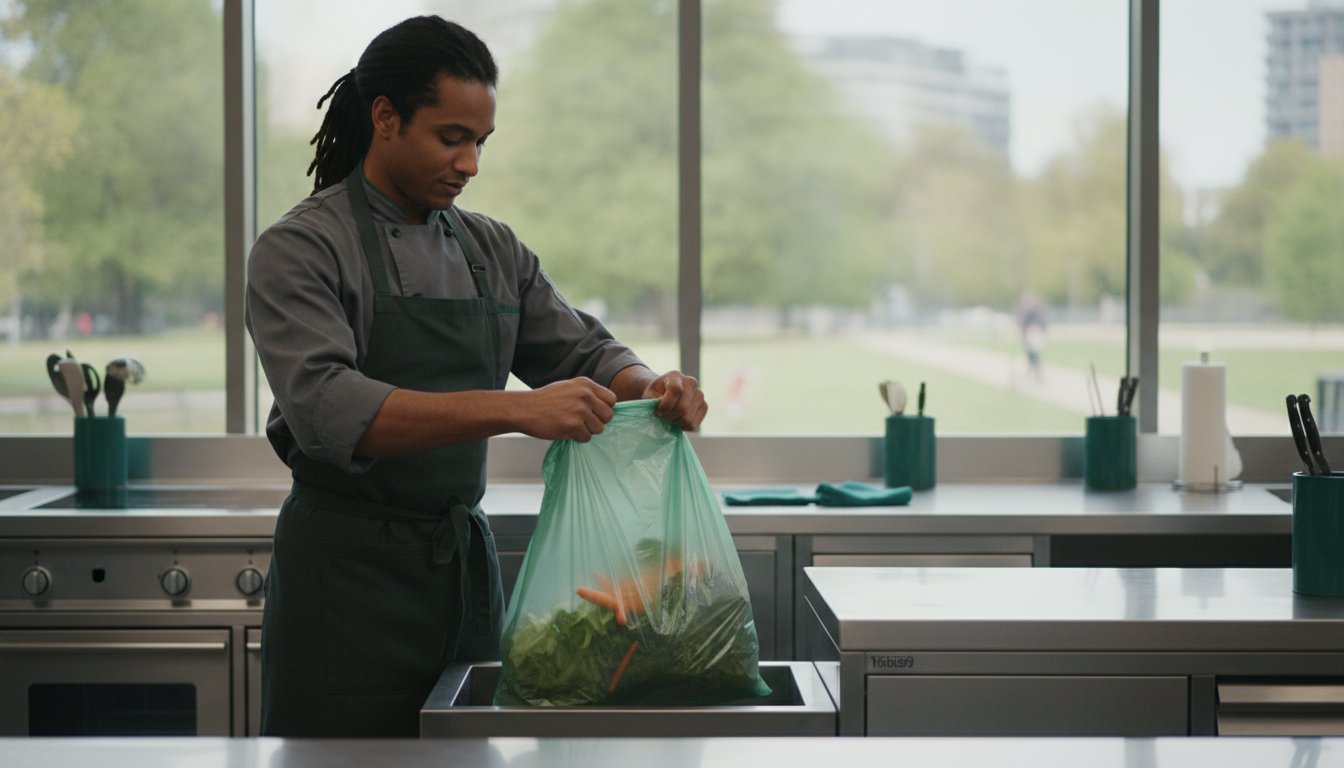
A single split bin liner can derail a commercial kitchen’s hygiene rating and undermine sustainability goals in seconds. For many UK kitchen managers, the transition to eco-friendly options has been fraught with the frustration of bags splitting under heavy food waste loads or foul odours that invite unwanted pests. It's a common concern that choosing responsible materials means sacrificing the durability required in a high-pressure environment. However, as we move into 2026, the technology behind compostable waste bags for commercial kitchens has evolved to meet industrial demands while ensuring full compliance with tightening food waste regulations.
We've designed this operational checklist to help you bridge the gap between environmental stewardship and practical performance. You'll learn how to identify genuine certifications, such as ASTM D6400, to avoid the pitfalls of misleading biodegradable claims. This guide provides a clear path to achieving a leak-proof waste stream and improving your business's green credentials without compromising on daily efficiency. We'll examine the technical standards that define high-performance liners and the specific steps your team can take to ensure a seamless, hygienic transition.
Key Takeaways
- Understand how breathable bioplastics improve kitchen hygiene by reducing the growth of anaerobic bacteria and controlling foul odours.
- Identify the specific technical requirements for compostable waste bags for commercial kitchens to ensure they meet the demands of heavy food waste.
- Learn how to integrate a circular waste model into your existing workflow without causing operational disruptions or compromising efficiency.
- Discover the importance of industrial-grade certifications and staff training in maintaining a clean, compliant waste stream.
- Strengthen your business’s environmental reputation by adopting high-performance, scalable solutions that align with 2026 sustainability standards.
The Critical Role of Compostable Waste Bags in Commercial Kitchen Hygiene
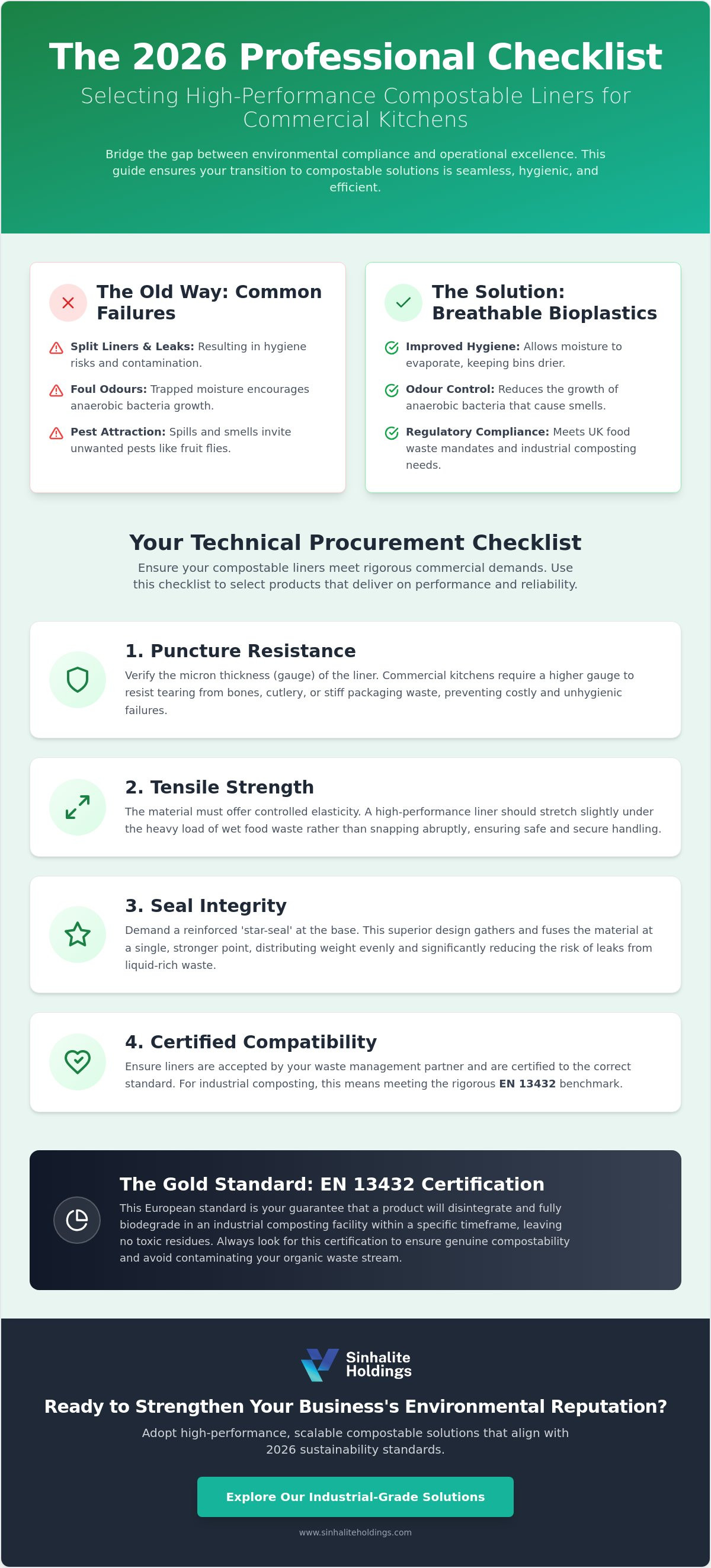
In a professional kitchen, waste management is the silent partner of food safety. High-performance compostable waste bags for commercial kitchens aren't merely substitutes for plastic; they are purpose-built, plant-based liners designed to integrate with industrial organic waste streams. Unlike traditional polyethylene, these bioplastic solutions allow moisture to evaporate through the material. This breathability is a technical advantage that prevents the "sweating" common in standard bins, which often leads to the rapid growth of anaerobic bacteria and the pungent odours that follow.
To better understand the practical impact of modern waste solutions, watch this helpful video:
Adopting these tools is no longer a voluntary choice for sustainability. With the latest UK food waste separation mandates, businesses must ensure their disposal methods align with industrial composting requirements. High-quality compostable caddy bags provide the necessary moisture management to keep collection points clean and compliant. Understanding the technical distinction between compostable vs. biodegradable bags ensures that your kitchen avoids the pitfalls of non-compliant materials that can contaminate waste streams.
Hygiene Solutions for Commercial Kitchens: Beyond the Surface
A leak-proof waste stream is your primary defence against pests like fruit flies and rodents. When liners maintain their integrity under the weight of wet food waste, the risk of spills and cross-contamination drops. There's also a powerful psychological impact on your team. Providing staff with high-quality, responsible tools fosters a culture of excellence and shows that the business values both operational hygiene and environmental stewardship.
Understanding UK Compostability Standards
For a liner to be truly effective in a commercial setting, it must meet the EN13432 standard. This is the rigorous European benchmark that ensures a product will break down completely in industrial composting facilities without leaving toxic residues. While large-scale operations rely on these industrial standards, smaller sites or those with on-site processing should also understand the OK compost HOME certification explained. This knowledge allows kitchen managers to select the most efficient disposal route for their specific volume and location.
The 2026 Professional Checklist: Selecting High-Performance Compostable Liners
Selecting the right disposal tools is a technical decision that directly impacts your kitchen’s operational flow. High-performance compostable waste bags for commercial kitchens must meet far more rigorous standards than domestic alternatives. While a household caddy might only hold light vegetable peelings, a professional liner must withstand the combined weight of wet grounds, heavy food prep waste, and liquid residues without failing. To ensure your business maintains its high standards, use this technical checklist for your 2026 procurement:
- Puncture Resistance: Verify the micron thickness. Professional liners typically require a higher gauge to resist tearing from bones or stiff packaging.
- Tensile Strength: The material should offer controlled elasticity. It needs to stretch slightly under load rather than snapping abruptly.
- Seal Integrity: Look for reinforced star-seals at the base. This design gathers the material into a single point, which significantly reduces the risk of leaks in deep bins.
- Certified Compatibility: Ensure the bags are explicitly accepted by your local industrial composting partner to avoid waste stream rejection.
Investing in quality ensures that your transition away from plastic remains a functional success. If you're ready to upgrade your waste management, you can explore our range of industrial-grade compostable solutions designed specifically for the catering sector.
The Durability Test: Avoiding the Split
Before committing to a bulk order, perform a manual stretch test. A high-quality liner will elongate significantly before a puncture occurs. If the material feels brittle or "papery," it's likely to fail under the weight of heavy, wet food waste. For environments handling sharper waste, it's worth reviewing the specific benefits of puncture resistant compostable garbage bags to ensure maximum reliability during service.
Sizing and Capacity for Professional Bins
Accuracy in sizing prevents both waste and mess. For 10L prep caddies, a snug fit is essential, but for 240L wheelie bins, you must account for an "overhang" of at least 10cm. This extra length prevents the liner from slipping inside the bin when heavy bags are dropped in. Matching the litre capacity precisely to your bin type ensures the bag’s weight-bearing features work as intended, maintaining a clean and professional environment.
Operational Integration: Moving to a Circular Waste Model
Transitioning to a circular model requires a strategic approach that extends beyond a simple product swap. To phase out single-use plastics without disrupting your existing kitchen workflows, it's effective to introduce changes department by department. This phased implementation allows your team to adjust to the handling requirements of plant-based materials while maintaining the pace of a professional service. By treating the adoption of compostable waste bags for commercial kitchens as a systemic upgrade rather than a minor procurement change, you ensure the long-term viability of your sustainability goals.
Education is the foundation of a successful transition. Your team must understand exactly what can and cannot be placed into these liners to prevent waste stream contamination. When staff are empowered with the knowledge that these bags are part of a larger ecological cycle, they become active participants in your business's environmental mission. Sourcing your supplies from a specialist UK supplier is equally vital. It ensures that the products you use are compatible with local industrial composting infrastructure and meet consistent performance standards. This shift is a key pillar in the future of compostable food packaging in the UK, where responsible disposal is as important as the packaging itself.
Cost Management and Sustainability ROI
While the initial unit cost of bioplastics may differ from traditional options, the long-term return on investment is substantial. Successfully switching business to sustainable packaging can significantly reduce landfill tax liabilities by diverting organic matter toward more cost-effective composting routes. Furthermore, the reputational value in the hospitality sector is immense. Modern consumers and corporate clients increasingly prioritise partners who demonstrate a genuine commitment to reducing plastic waste, making your green credentials a powerful tool for business growth.
Creating a Cleaner, Greener Kitchen
The transition to compostable solutions represents a move toward a visionary and responsible business future. It's a practical step that aligns your daily operations with the urgent need for systemic change. By choosing high-quality, durable alternatives, you prove that industrial efficiency and environmental stewardship can work in perfect harmony. We invite you to take the next step in your sustainability journey. Explore our range of commercial compostable garbage bags to find the high-performance tools your kitchen needs to lead the way in 2026.
Empowering Sustainable Change in Your Commercial Kitchen
The transition to a circular economy is a journey of precision and purpose. By prioritising high-performance materials, you ensure that your kitchen remains a model of hygiene and operational efficiency. We've examined how technical specifications like puncture resistance and moisture management aren't just eco-friendly advantages; they're functional necessities for any modern business. Selecting the right compostable waste bags for commercial kitchens allows you to meet stringent UK regulations while demonstrating a profound commitment to environmental stewardship.
As a specialist UK-based sustainable packaging supplier, we provide the tangible tools needed to bridge the gap between industrial pragmatism and ecological responsibility. Our solutions utilize high-tensile plant-based polymers and are EN13432 Certified for UK commercial composting, ensuring your waste stream remains clean and compliant. View our range of high-performance compostable garbage bags for UK businesses to begin your transition with confidence.
Every operational choice you make today builds a more resilient and responsible tomorrow. We're here to act as your steady, dependable ally in creating a cleaner, greener future for the hospitality sector.
Frequently Asked Questions
How do I stop my compostable kitchen bags from splitting?
To prevent splitting, you must ensure you're using industrial-grade liners with a higher micron thickness than domestic alternatives. While domestic bags are designed for light kitchen scraps, professional environments require the added tensile strength of heavy-duty plant-based polymers. It's also helpful to empty caddies daily. Although these materials are durable, prolonged exposure to high levels of moisture can eventually soften the bioplastic structure, making it more susceptible to tearing during removal.
Are compostable waste bags actually leak-proof for heavy food waste?
Modern compostable waste bags for commercial kitchens are designed to be leak-proof through the use of reinforced star-seal bases. This specific construction method eliminates the long, vulnerable seams found on traditional flat-bottom bags, which are prone to failing under the pressure of heavy liquids. When paired with the moisture-wicking properties of breathable bioplastics, these liners effectively manage wet food waste without the 'sweating' or base leaks associated with standard plastic options.
What is the difference between home compostable and industrial compostable bags?
The primary difference lies in the temperature and timeframe required for the material to break down completely. Home compostable bags are thinner and designed to degrade in a garden compost heap. In contrast, industrial compostable liners are built for the rigorous demands of a professional kitchen and require the high-heat, controlled conditions of an industrial facility to decompose. This ensures they maintain their strength during service while still being fully circular.
Will UK councils accept any brand of compostable bag in food waste bins?
Most UK councils and commercial waste contractors require bags to be EN13432 certified to ensure they are compatible with industrial composting processes. It's a common mistake to assume any green bag is acceptable; however, uncertified 'biodegradable' plastics often contain additives that contaminate the organic waste stream. Always check for the seedling logo or OK compost certification on your compostable waste bags for commercial kitchens to guarantee they meet the required local standards.


