
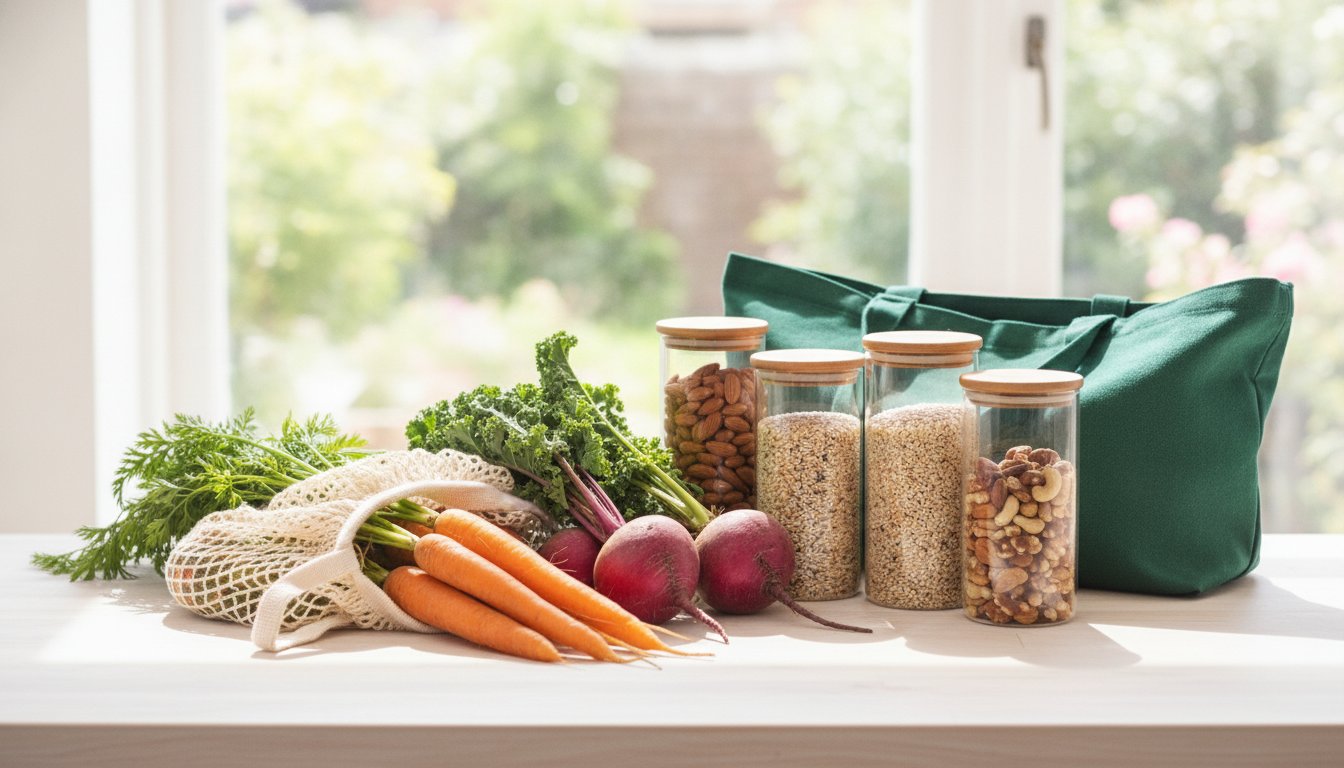
UK households discard an estimated 82 billion pieces of plastic packaging annually, yet only 16% of that material is successfully recycled. This staggering volume of waste highlights why maintaining a structured zero waste shopping list uk is now a vital strategy for both households and commercial entities. You likely find the distinction between "recyclable" and "compostable" labels frustrating, especially as the 2026 Plastic Packaging Tax increases the financial burden on non-recycled materials. We understand that the lack of a clear plan often leads to accidental plastic use and higher operational costs.
This guide promises to help you master the art of sustainable procurement with a comprehensive checklist designed to eliminate plastic waste from your daily routines. You'll gain the confidence to choose truly circular packaging solutions that reduce your carbon footprint without sacrificing performance. We will examine practical swaps like compostable food bags and caddy liners, providing a clear roadmap for businesses and homes to thrive in a post-plastic economy.
Key Takeaways
- Learn how to conduct a strategic waste audit to identify high-plastic frequency items and assemble a professional kit of reusable produce bags and glass jars.
- Discover how to build a comprehensive zero waste shopping list uk that prioritises loose produce and bulk-bought staples to mitigate the impact of the 2026 Plastic Packaging Tax.
- Understand the operational advantages of using compostable cling film and caddy bags to maintain food freshness and hygiene while supporting a circular economy.
- Gain the confidence to navigate 2026 recycling legislation by integrating high-performance, UK-compliant compostable solutions into your commercial procurement strategy.
Preparing for Your Zero Waste Shop: The UK Equipment Checklist
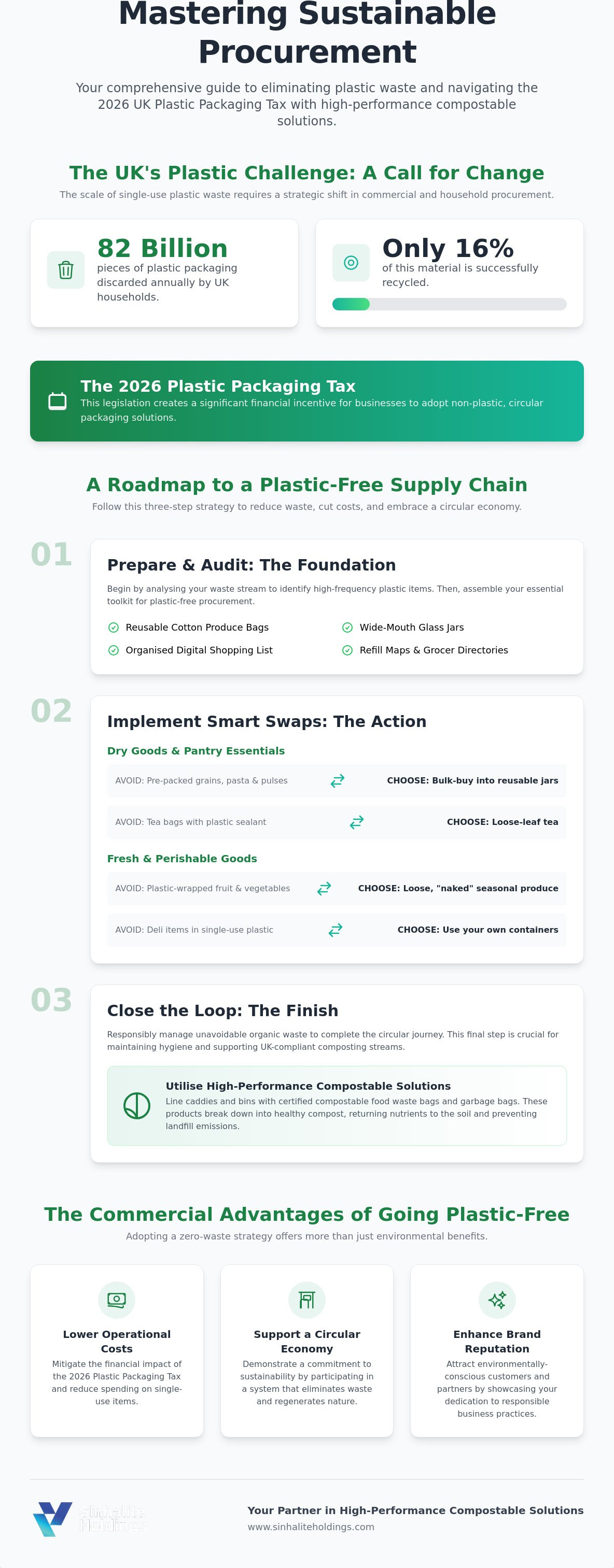
Achieving a plastic-free lifestyle starts with a systematic audit of your current consumption. Look at your waste stream to identify high-plastic frequency items like bagged salads, wrapped grains, and pre-packaged snacks. These specific items are the primary targets for your zero waste shopping list uk. By identifying these patterns, you can proactively seek loose alternatives that avoid the financial impact of the 2026 Plastic Packaging Tax. Understanding the core principles of zero waste allows you to see procurement as a circular process rather than a linear one.
To better understand this concept, watch this helpful video:
The Essential Hardware for Plastic-Free Procurement
Success in bulk-buying requires durable tools. Cotton produce bags are superior to the thin "biodegradable" plastic bags often provided in supermarkets because they're washable and reusable for hundreds of trips. For dry goods, wide-mouth Mason jars are the gold standard in UK bulk aisles. Their uniform size makes them easy to stack, while the wide opening ensures a mess-free experience at the refill station. Using these sturdy containers prevents the "hidden" waste of single-use paper or plastic bags that often tear under pressure.
Digital Preparation: Apps and Maps
Don't rely solely on the high street. Use national refill maps and independent grocer directories to find zero-waste hubs in your area. Many of these locations offer competitive prices for bulk pulses and grains. Organise your zero waste shopping list uk by "aisle type" to streamline your visit. This methodical approach reduces impulse buys and ensures you have the right container for every item. Finally, plan for the "final stage" by having compostable caddy bags ready for organic waste. This ensures that even unavoidable food scraps are handled responsibly through UK-compliant composting streams, completing the circular cycle.
The 2026 Zero Waste Shopping List: Sustainable Swaps for Every Aisle
Transitioning to a plastic-free procurement model requires a focus on high-impact areas. By prioritising bulk-bought grains and loose produce, you effectively bypass the 2026 Plastic Packaging Tax. This shift isn't just about environmental stewardship; it's a strategic move to lower operational costs associated with packaged goods. A well-curated zero waste shopping list uk focuses on these high-volume swaps to maximise impact and streamline your transition to a circular economy.
Dry Goods and Pantry Essentials
Replacing pre-packed items with bulk alternatives is the cornerstone of a circular pantry. Focus on high-frequency staples that typically come in flexible plastic:
- Oats and cereal grains stored in airtight glass jars.
- Pulses, lentils, and pasta purchased from gravity dispensers.
- Loose-leaf tea to avoid the plastic sealant found in many traditional tea bags.
Fresh and Perishable Goods
Adopting the "Naked Veg" rule is essential. Choosing loose, seasonal fruits and vegetables eliminates the need for plastic wraps and netted bags. When navigating the deli counter, provide your own containers or request compostable shopping bags to transport meat and cheeses securely. Most major UK supermarkets now accept clean, reusable containers at service counters. This practice ensures that freshness is maintained without contributing to the 82 billion pieces of plastic discarded annually by UK households.
Household maintenance requires similar diligence. Transition from liquid detergents in plastic bottles to solid bars or concentrated refills. Updating your zero waste shopping list uk to include these items ensures every department contributes to your sustainability goals. For unavoidable organic waste, ensure your bin system is lined with high-quality compostable caddy bags to maintain hygiene and support the final stage of the zero-waste cycle.
Closing the Loop: Zero Waste Food Storage and Disposal Solutions
The journey of a plastic-free lifestyle doesn't end at the checkout. While much of the focus remains on what goes into the basket, the storage phase is where traditional plastic cling film often persists as a "hidden" waste. As part of the zero-waste revolution, businesses and households are now looking beyond the zero waste shopping list uk to address how perishables are preserved. Maintaining the freshness of bulk-bought produce is essential to preventing food waste, yet doing so shouldn't require a return to single-use plastics.
Advanced Food Preservation Without Plastic
High-performance kitchens and busy households require storage solutions that offer more flexibility than glass jars or beeswax wraps. This is why you should buy compostable cling film uk to bridge the functional gap between traditional preservation and modern sustainability. High-quality compostable cling film provides a breathable yet airtight seal that is particularly effective for storing acidic foods without the risk of chemical leaching. For a comprehensive look at how these materials perform, consult The Ultimate Guide to Compostable Clingfilm in the UK: 2026 Edition.
Responsible Waste Management
Effective disposal is the final step in a circular strategy. Under the "Simpler Recycling" legislation, UK businesses with 10 or more employees must now separate food waste from general rubbish. Managing these organic streams requires durable, UK-compliant tools. Utilising puncture resistant compostable garbage bags ensures that high-volume waste is transported securely to industrial composting facilities. These breathable liners also help keep a food waste bin from smelling by reducing moisture build-up, which is the primary cause of anaerobic odours.
Understanding the hierarchy of disposal is vital for any zero waste shopping list uk strategy. While home composting is ideal for fruit and vegetable scraps, industrial composting standards (such as EN 13432) are necessary for processing certified compostable packaging and films. By choosing products designed for these specific UK waste streams, you ensure that your efforts to reduce plastic result in a truly circular outcome, returning nutrients to the soil rather than sending them to incineration.
Advancing Toward a Circular UK Economy
Transitioning to a plastic-free lifestyle is a practical response to the evolving regulatory landscape of 2026. By auditing your current waste and implementing a structured zero waste shopping list uk, you can effectively mitigate the rising costs of packaged goods while reducing your environmental impact. Success lies in combining durable hardware, such as glass jars, with high-performance compostable solutions that ensure food freshness and hygiene are never compromised. It's an achievable shift that benefits both your operational efficiency and the planet.
As a specialist provider of UK-compliant solutions, Sinhalite Holdings offers the essential tools needed to close the loop on waste. Our products are certified OK compost HOME, ensuring they're 100% plastic-free and PFAS-free. We're proud to be trusted by UK businesses for sustainable waste management, providing the reliability required for high-volume environments. Explore our range of UK-certified compostable kitchen essentials to begin your journey toward a cleaner, greener future. Every proactive choice brings us closer to a resilient, circular economy.
Frequently Asked Questions
Is zero waste shopping more expensive in the UK?
Zero waste shopping often results in long-term savings because you avoid the cost of unnecessary packaging and the 2026 Plastic Packaging Tax. Buying in bulk allows you to pay only for the weight of the product, which reduces the unit price of staples like grains and pulses. Additionally, switching to high-performance compostable solutions prevents the recurring expense of single-use plastics, making it a financially sound choice for businesses and households alike.
Can I use my own containers in major UK supermarkets like Tesco or Waitrose?
Most major UK retailers, including Tesco and Waitrose, now actively encourage customers to bring their own clean containers for use at service counters. This initiative is a vital part of a modern zero waste shopping list uk, as it eliminates the need for plastic bags or trays at deli and meat counters. Always ensure your containers are clean and dry before you shop to maintain food safety and hygiene standards during the weighing process.
What is the difference between biodegradable and compostable bags on my shopping list?
Compostable bags are designed to break down into nutrient-rich organic matter, whereas many "biodegradable" products simply fragment into microplastics that persist in the environment. For a truly circular waste strategy, ensure your bags meet UK-compliant standards like EN 13432. Choosing certified compostable shopping bags and caddy liners ensures your disposal methods support healthy soil rather than contributing to the growing microplastic crisis in our oceans and landfills.
Do I need to live near a specific zero-waste shop to follow this list?
You don't need to live near a specialist refill store to follow a zero waste shopping list uk effectively. While dedicated shops provide excellent bulk options, you can achieve significant impact by selecting loose produce at local markets or supermarkets. Many mainstream retailers have now introduced refill stations for dry goods and detergents. Using compostable cling film and caddy bags at home ensures your sustainable practices remain consistent regardless of where you buy your groceries.


