
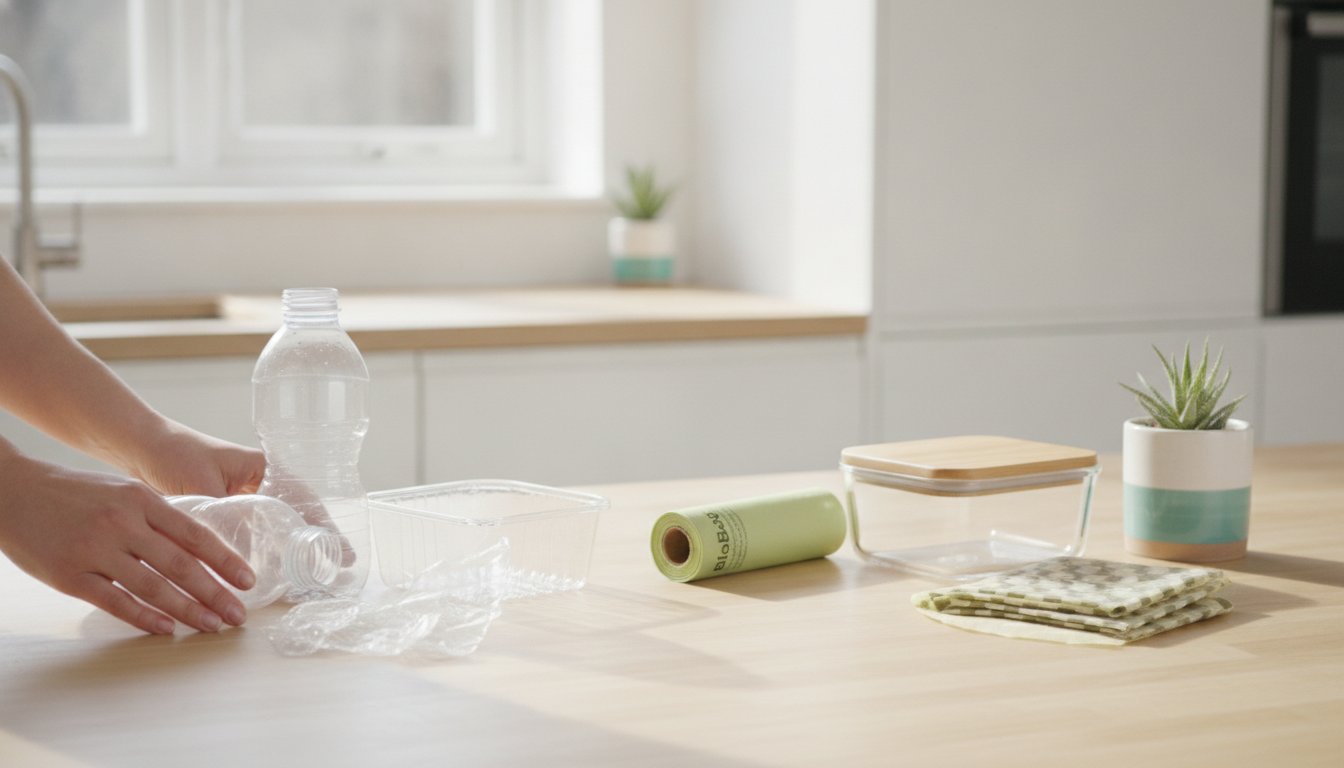
What if the plastic waste you carefully place in your recycling bin today is actually destined for a landfill, despite your best intentions? With the national plastic recycling rate for packaging currently at just 13 percent, it is clear that simply recycling more is not the primary solution. You likely feel overwhelmed by the sheer volume of synthetic materials entering your living space and frustrated by confusing labels. Learning how to do a plastic audit of your home is the first step toward reclaiming control and ensuring your household contributes to a genuine circular economy rather than adding to the global waste crisis.
We understand that the transition to a sustainable home can feel daunting, especially when trying to distinguish between truly compostable materials and misleading green labels. This guide provides a structured method to identify every hidden plastic in your cupboards and replace them with high-performance, responsible alternatives. We will help you create a clear inventory of your current usage, prioritise essential swaps like compostable clingfilm and heavy duty caddy bags, and master the 2026 standards for waste management. By the end of this process, you will have a practical roadmap to a cleaner, more intentional home that supports a greener future for everyone.
Key Takeaways
- Establish a seven-day diagnostic window to capture an accurate snapshot of your weekly consumption patterns and identify systemic waste.
- Learn exactly how to do a plastic audit of your home by categorising discards into recyclables, soft plastics, and non-recyclables for more precise data.
- Identify high-turnover kitchen items, such as traditional clingfilm and food roller bags, as primary candidates for immediate replacement with sustainable alternatives.
- Evaluate your waste management systems to ensure organic matter is collected in OK compost HOME certified caddy liners rather than standard plastic bags.
- Use your audit data to prioritise the "Top 5" plastic items for replacement, helping you scale your transition toward a more circular and responsible lifestyle.
The Strategic Framework: Preparing for Your Home Plastic Audit
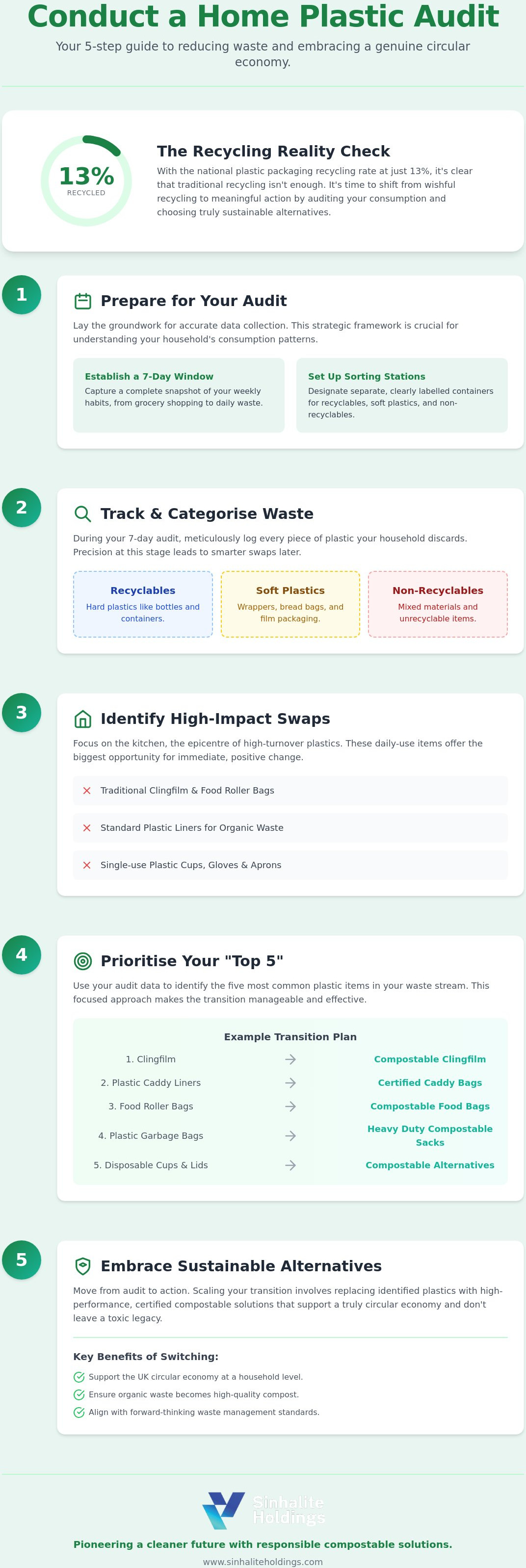
Understanding the scope of your plastic consumption is the first step toward meaningful systemic change. A home audit isn't just about counting bins; it's about identifying the flow of materials through your life. To begin, you must define a clear timeframe. A seven-day window provides the most accurate snapshot of weekly consumption patterns, capturing everything from grocery packaging to daily kitchen waste. This period is long enough to include irregular habits while remaining manageable for a busy household.
The motivation for this exercise stems from the escalating global plastic pollution crisis, where traditional waste management systems often fail to keep pace with production. By examining your own waste, you bridge the gap between individual habits and the broader environmental stewardship required in 2026. When you learn how to do a plastic audit of your home, you're not just cleaning a cupboard; you're auditing your participation in a linear economy and preparing for a more responsible future.
To better understand the practical application of this concept, watch this helpful video:
Preparation requires the right diagnostic tools. You don't need expensive equipment, but you do need organisation. We recommend setting up separate containers for standard recyclables and non-recyclables. Additionally, maintain a dedicated log for soft plastics, such as bread bags and wrappers, which are often the most pervasive. Differentiating between "essential" plastics, such as medical supplies or safety equipment, and "discretionary" items like single-use packaging allows you to target the easiest wins first.
Success depends on collective responsibility. Engage every member of the household so they understand that this audit is a proactive step toward a more sustainable future. When everyone is aligned, the data you collect will be far more reliable and the subsequent transitions will be much smoother.
Setting Your Sustainability Benchmarks
Define what success looks like for your home. Is your goal a 50 percent reduction in bin volume or the total elimination of specific polymers? By following the waste hierarchy, you'll see that reduction and replacement with high-quality compostables sit far above simple recycling. This approach ensures that materials returning to the earth don't leave a toxic legacy, supporting the UK circular economy at a household level. Setting these benchmarks early provides the motivation needed to move from data collection to tangible action.
Room-by-Room Execution: Identifying High-Impact Plastic Swaps
Once you've established your strategic framework, the next step is to move through your living spaces to identify specific waste streams. The kitchen is almost always the primary source of high-turnover synthetic materials. As you execute how to do a plastic audit of your home, pay close attention to items used daily, such as food roller bags and traditional clingfilm. These items are often used for mere hours but persist in the environment for centuries. By categorising these items, you can see exactly where your household's greatest environmental impact lies.
The Food Storage Challenge: Clingfilm and Bags
Traditional PVC and LDPE clingfilms are significantly problematic for the UK circular economy because they're virtually impossible to recycle and frequently contaminate other waste streams. Evaluate the performance of your current storage solutions. If your wrap doesn't seal properly, it contributes to food waste, which compounds your environmental footprint. Transitioning to compostable clingfilm that actually clings provides a high-performance replacement that integrates safely into organic waste systems without sacrificing utility.
Optimising Organic Waste Collection
Examine your food caddy and waste management assessment. Many households inadvertently use standard plastic liners for organic waste, which prevents the resulting compost from being used in high-quality agricultural applications. You can learn how to keep a food waste bin from smelling by switching to breathable, compostable caddy bags. These liners allow moisture to evaporate, which reduces odour and keeps your kitchen environment fresh while supporting soil health.
Don't overlook the bathroom and laundry room. Hidden microplastics often lurk in cleaning tools and toiletries. Finally, catalog your soft plastics, such as bread bags, crisp packets, and delivery packaging. These items often bypass standard council collections and require specific handling or replacement. By identifying these "problem polymers," you can seek out certified compostable solutions that perform with industrial strength while ensuring a cleaner, greener outlook for your household.
From Audit to Action: Scaling Sustainable Solutions in 2026
Data without action is merely observation. Once you've completed your seven-day tracking period, analyse the results to identify the "Top 5" plastic items by volume and frequency. These items represent your highest-impact opportunities for replacement. Learning how to do a plastic audit of your home gives you the clarity needed to transition from generic polymers to high-performance bioplastics. This shift isn't just about changing a product; it's about adopting a materials-first mindset that prioritises the end-of-life cycle of everything you bring into your space.
Implementing a "Compost-First" policy for all household disposables ensures your habits align with the future of compostable food packaging in the UK. This strategy focuses on replacing traditional waste streams with circular alternatives. To maintain this transition, build a resilient supply chain for your household. Stock up on essential items such as heavy duty compostable garbage bags and shopping bags. Having these high-quality tools readily available prevents a regression into old habits when convenience becomes a factor.
Verifying Your Alternatives
Vigilance is necessary to avoid "greenwashed" products that claim to be biodegradable but often contain hidden microplastics. Always look for the OK compost HOME certification explained to verify that materials will safely break down in garden conditions. This certification provides the technical assurance that your chosen alternatives meet the highest environmental standards for home composting.
The Commercial Ripple Effect
The insights gained from domestic audits often translate into professional leadership. These personal experiments prepare decision-makers for switching business to sustainable packaging on a much larger scale. A plastic audit is the first step in a broader corporate ESG strategy. By mastering these transitions at home, you develop the practical expertise needed to guide larger organisations toward a more responsible, circular future.
Empowering Your Circular Journey
Completing a seven-day diagnostic window reveals the hidden patterns of your material consumption, turning vague concerns into actionable data. By focusing your room-by-room assessment on high-turnover items like traditional clingfilm and bin liners, you've identified the most effective points for immediate intervention. You now understand how to do a plastic audit of your home, moving beyond the limitations of simple recycling to a strategy of intentional replacement with high-performance, biological alternatives.
This transition is a vital contribution to the UK circular economy. As a specialist UK supplier, we provide tools engineered for high-performance durability that don't compromise on utility or ethics. Our products are OK compost HOME certified, ensuring they return safely to the earth without leaving a toxic legacy. Every small change in your household waste management builds the foundation for broader systemic change. We invite you to explore our range of certified compostable household essentials and take the next step toward a more responsible future. Together, we can build a world where high standards of living and environmental stewardship exist in perfect harmony.
Frequently Asked Questions
How long should a household plastic audit take?
A comprehensive household plastic audit should ideally take seven days to complete. This specific window allows you to capture a full cycle of domestic activity, including the arrival of new groceries and the disposal of mid-week packaging. By tracking waste over a full week, you ensure that infrequent discards are accounted for, providing a reliable data set for your future sustainability strategy.
Do I need to wash the plastic I find during the audit?
You must rinse any food-contaminated items to maintain hygiene and ensure accurate identification during your assessment. Clean materials are safer to handle and allow you to clearly read recycling codes or certification stamps. This step is essential when learning how to do a plastic audit of your home, as it prevents odours and allows for a more professional, methodical approach to waste analysis.
What is the most common plastic found in UK homes?
Flexible soft plastics, particularly food packaging and traditional clingfilm, are currently the most prevalent materials found in UK domestic waste streams. These items are often the most difficult to recycle through conventional council systems. Identifying these high-turnover materials helps you prioritise high-performance compostable replacements, such as food roller bags, which integrate seamlessly into a more responsible, circular waste management model.
Can I include compostable items in my plastic audit?
You should include compostable items in your audit to serve as a benchmark for your successful transitions. Recording the use of OK compost HOME certified caddy bags or compostable shopping bags demonstrates how much plastic you've already eliminated. This practice is a core component of how to do a plastic audit of your home, as it highlights the tangible progress made toward a cleaner, greener future.


